Wedding Cake Budget & Waste Estimator
Estimation Results
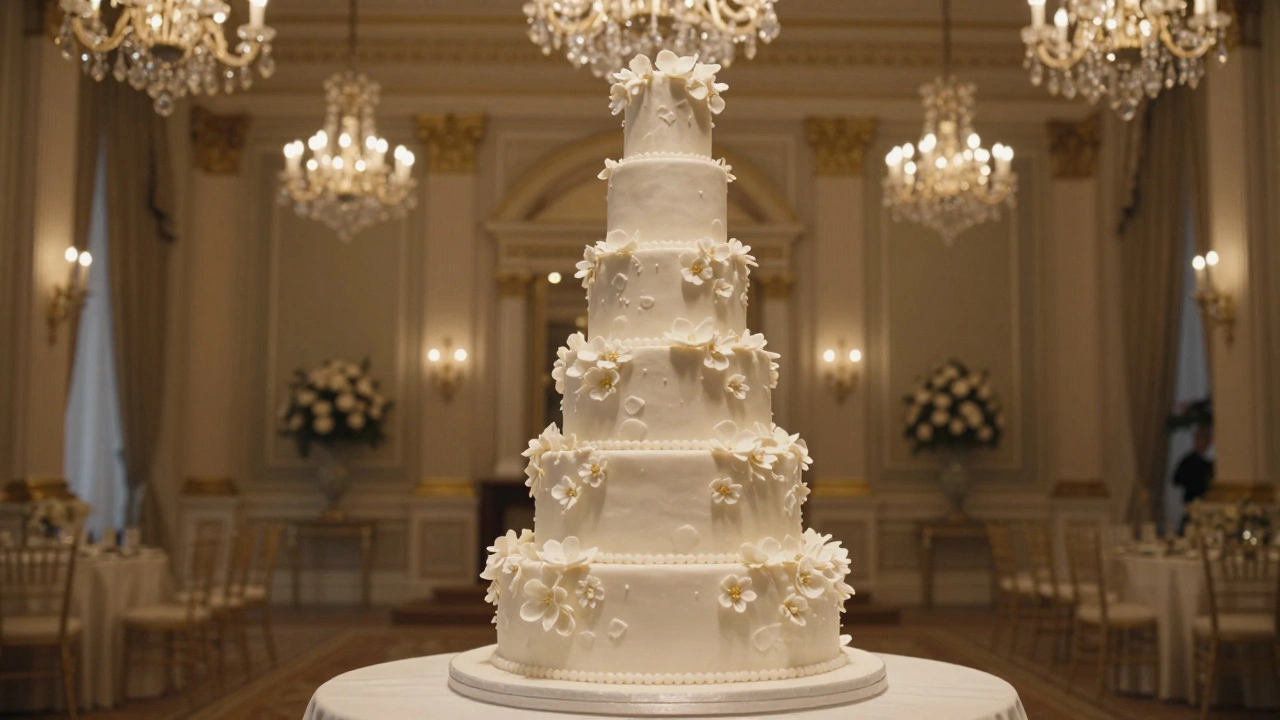
A mock wedding cake is a visually stunning cake where some or all of the tiers are replaced with non-edible supports, typically foam cylinders, and then covered in real frosting or fondant. It's a strategic choice made by couples who want the high-end look of a massive cake without the astronomical price tag or the waste of 200 slices of cake that nobody will actually eat.
Quick Takeaways: The Mock Cake Cheat Sheet
- What it is: A decorative structure using foam "dummies" covered in edible icing.
- Why do it: Saves money, reduces food waste, and allows for taller, more stable designs.
- The Catch: You still need to provide a real cake (sheet cakes) for the guests.
- The Secret: Only the bottom tier or a small side-section is usually real for the ceremonial cutting.
Why Couples Choose Cake Dummies Over Real Sponge
Let's be honest: building a six-tier cake out of actual sponge is a structural nightmare. Gravity is the enemy of a cake maker. When you use cake dummies-which are polystyrene cylinders designed to mimic the shape of a cake tier-you remove the risk of the cake collapsing under its own weight. If you've ever seen a cake that looks like it's leaning at a 45-degree angle in a humid ballroom, you know why stability matters.
Then there's the money. Custom cakes are priced by the slice. If you want a massive display cake to fit a huge venue, you might be paying for 300 portions. However, most weddings only have 150 guests. Why pay for 150 slices of premium cake that will end up in the bin? By using a mock cake, you pay for the artistry and the frosting, but you aren't paying for pounds of expensive butter and flour that no one will touch.
Think about the logistics too. A real five-tier cake is heavy and fragile. A mock cake is much lighter and far more durable during transport. If your venue is an hour's drive away, a foam-based structure is a lot less likely to slide off the board or crack during a sharp turn.
How the "Fake Out" Actually Works
You can't just put a piece of foam on a table and call it a wedding cake. There is a specific process your wedding cake maker follows to make sure guests never suspect a thing. First, they select foam cylinders of varying diameters to create the desired silhouette. These are stacked and secured with dowels to a sturdy base.
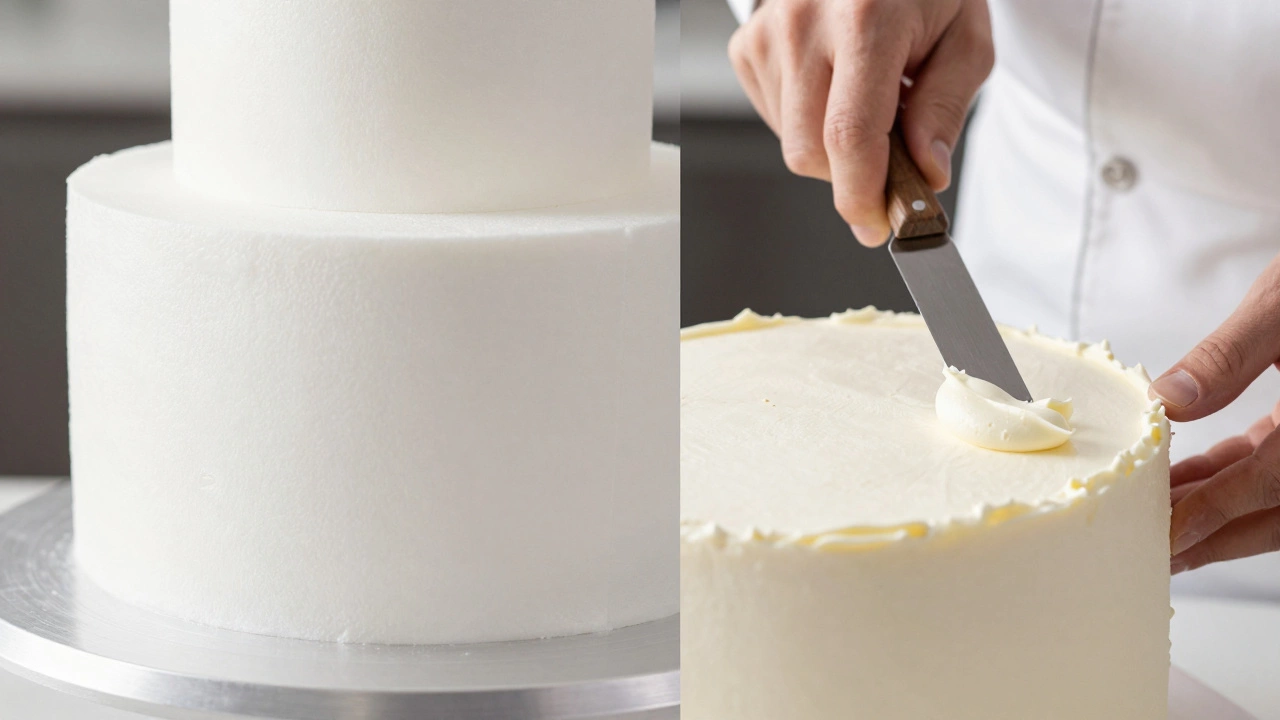
Next comes the fondant or buttercream. The baker treats the foam exactly like a real cake, smoothing the icing and adding the same decorations, piping, and flowers they would use on a real sponge. Because the frosting is real, it looks and smells authentic. The only way to tell the difference is by trying to cut into it.
To handle the "cake cutting" photo op, bakers usually employ one of two tricks. The most common is making the bottom tier real. The couple cuts into the base, and the guests are happy. Another option is a "cutting block"-a small, real slice of cake hidden inside a carved-out section of a foam tier. To the cameras, it looks like you're slicing into the middle of a giant cake, but you're actually hitting a pre-placed piece of sponge.
Comparing Real Cakes vs. Mock Cakes
| Feature | Fully Real Cake | Mock Cake (Hybrid) |
|---|---|---|
| Cost | High (Price per slice) | Moderate (Price for design) |
| Stability | Risky for tall designs | Very High / Stable |
| Food Waste | High (Unused slices) | Low (Precisely portioned) |
| Guest Experience | Traditional slice | Sheet cake/Cupcakes |
The Secret Ingredient: Sheet Cakes and Cupcakes
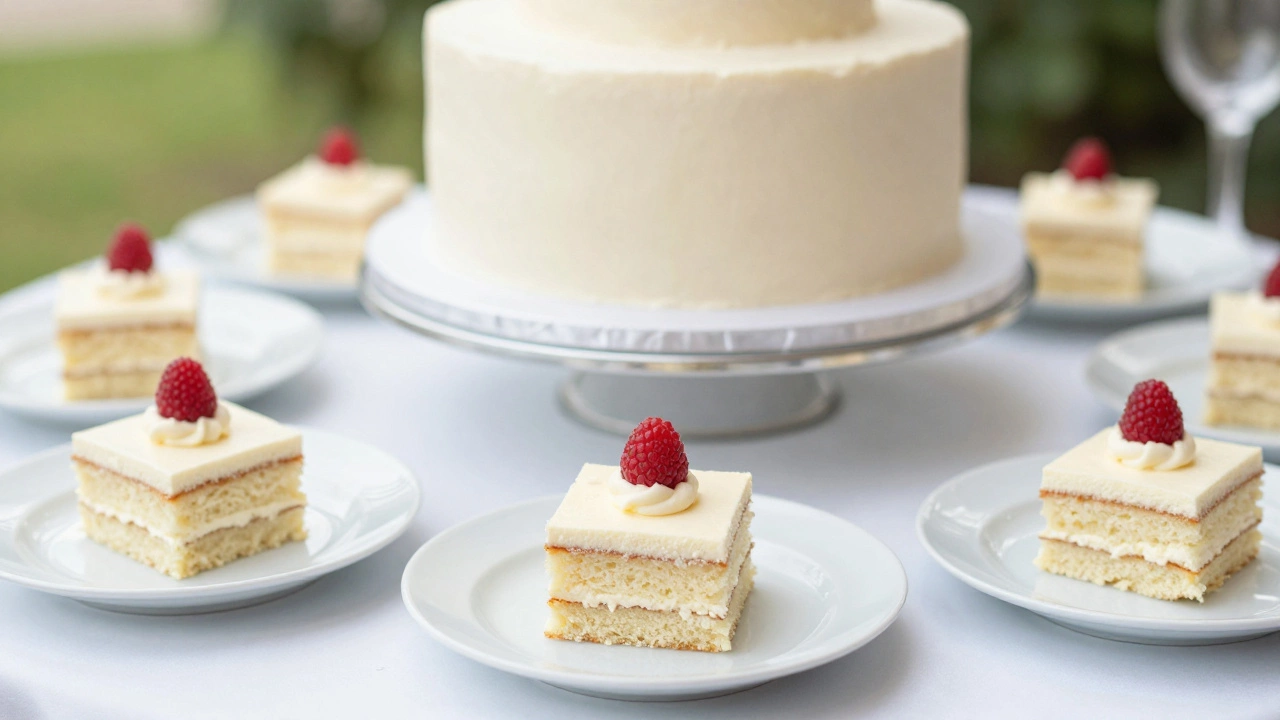
If the big cake is fake, how do the guests actually get their dessert? This is where the sheet cake comes in. A sheet cake is a large, rectangular cake baked in a shallow pan. It's incredibly efficient to slice and much cheaper to produce than tiered cakes.
The baker prepares several sheet cakes in the kitchen, which are then sliced into neat squares and plated. Because they are kept in the kitchen until serving, guests never see the "industrial" look of the sheet cake-they only see the gorgeous mock cake on the display table. This is the most common setup for large-scale weddings.
Alternatively, many couples opt for a cupcake tower. You have a small, real one-tier cake on top for the photos, and the tiers below are just platforms holding 100+ cupcakes. This removes the need for a cake-cutting service entirely, as guests just grab a cupcake and go. It's a more modern, casual approach that eliminates the need for plates and forks.
Potential Pitfalls to Avoid
While mock cakes are great, they aren't without risks. The biggest mistake is failing to communicate the plan to the catering staff. If a waiter tries to cut a slice out of a foam tier, you're going to have a very awkward moment with a knife getting stuck in plastic. Make sure everyone knows exactly which part is edible.
Another issue is the "visual mismatch." If your display cake is a deep chocolate brown with gold leaf, but your sheet cakes are plain vanilla with white frosting, guests might feel cheated. Always ask your baker to match the flavor and the basic frosting style of the sheet cakes to the display cake. The experience should feel cohesive.
Lastly, consider the ethics of your guests. Some traditionalists find fake cakes a bit "cheating." To avoid this, don't try to hide the fact that it's a display cake if asked. Instead, frame it as a way to ensure everyone gets a perfectly fresh, moist slice from the kitchen rather than a piece of a cake that has been sitting out in the heat for six hours.
How to Decide Which Path to Take
If you're still on the fence, ask yourself these three questions:
- Is my guest list over 100? If yes, a full real cake usually results in too much waste. Go mock.
- Am I dreaming of a cake taller than three tiers? If yes, the stability of foam is your best friend.
- Is my budget tight but I want "the look" for photos? If yes, a mock cake allows you to allocate more money to flowers or photography while still getting that luxury cake aesthetic.
If you have a small, intimate wedding of 20 people, a mock cake is overkill. In that case, a real, modestly sized cake is the way to go. But for the big ballroom bash, the hybrid approach is almost always the smarter move.
Are mock wedding cakes considered "fake"?
Technically, yes, because the structure is made of foam. However, they are covered in real, edible frosting. They are better described as "display cakes" or "hybrid cakes" because they are paired with real cakes for the guests to eat.
Can guests tell the difference?
Visually, it's impossible to tell. Since the frosting, fondant, and decorations are real, the cake looks and smells authentic. The only difference is the interior, which is why the cake is usually only cut at the bottom or in a specific "real" zone.
Is a mock cake cheaper than a real one?
Generally, yes. You save significantly on the cost of ingredients and the labor required to bake and stack multiple heavy tiers. You only pay for the frosting and the design work, plus the cost of the simpler sheet cakes used for serving.
What is the best way to serve cake if the main one is a mock?
The most popular method is using sheet cakes. These are baked in large rectangles and sliced in the kitchen. Other options include cupcakes, a dessert table with miniature tarts, or a smaller "cutting cake" that is entirely real.
Can I make a mock cake myself?
Yes, you can buy cake dummies online. However, getting a professional finish with fondant or buttercream on foam can be tricky. If you're not an experienced baker, it's usually better to let a professional handle the icing so it looks seamless.
Next Steps for Your Cake Planning
If you've decided a mock cake is the way to go, your next step is to meet with your baker to discuss the "real" portion of your dessert. Decide if you want a single real tier for the cutting ceremony or if you'd prefer the cutting block method. Once that's settled, pick your flavor for the sheet cakes-since these are the only parts guests will actually eat, you can even offer two or three different flavors to keep things interesting!