Wedding Catering Cost Calculator
Event Details
Professional Caterer (Per Head)
DIY / Self-Catered Costs
Professional Total
DIY Total
Estimated Savings
0%
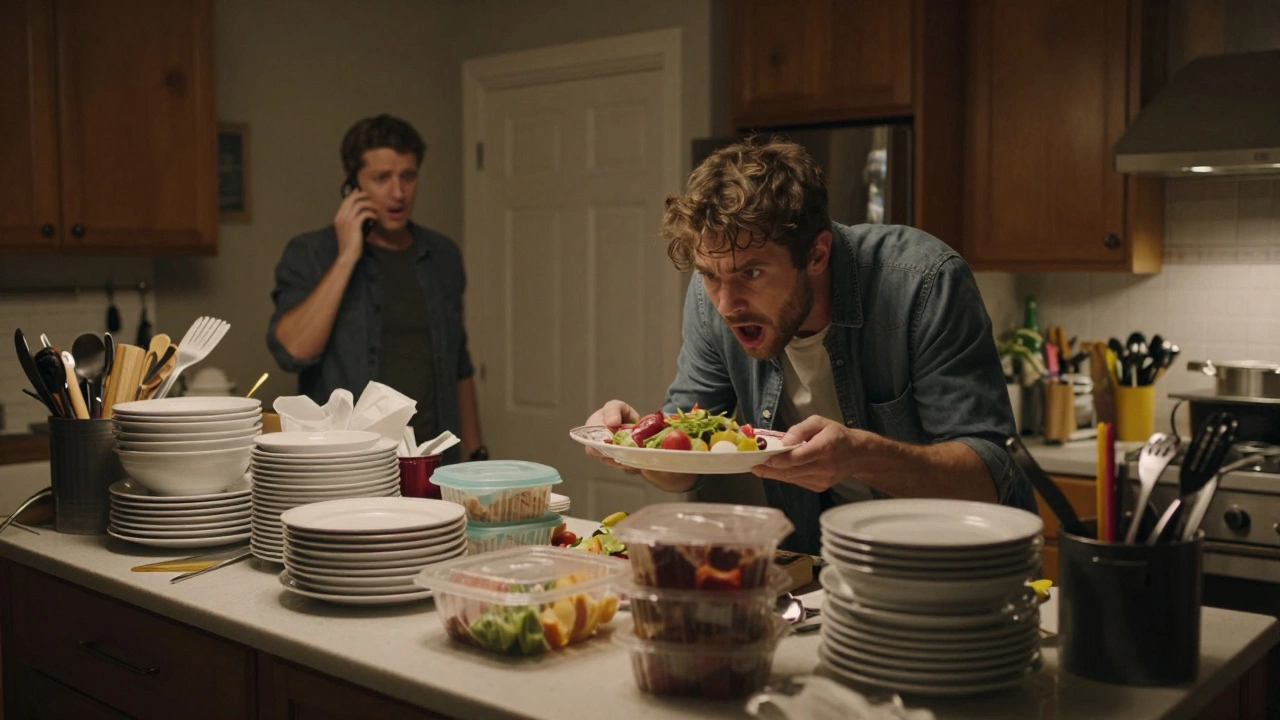
Picture this: you’re standing in a kitchen that’s barely big enough for two people, trying to plate 150 dinners while your cousin argues with the venue manager about parking. You wanted to save money by catering your own wedding, but suddenly, the math isn’tmathing up. Does doing it yourself actually save cash, or does it just swap financial stress for physical exhaustion?
The short answer is yes, you can save money-but only if you treat it like a project, not a party. The reality of self-catering in 2026 involves hidden costs, logistical nightmares, and a lot of cooking. Let’s break down exactly where the money goes so you can decide if the savings are worth the sweat.
The True Cost of Professional Catering
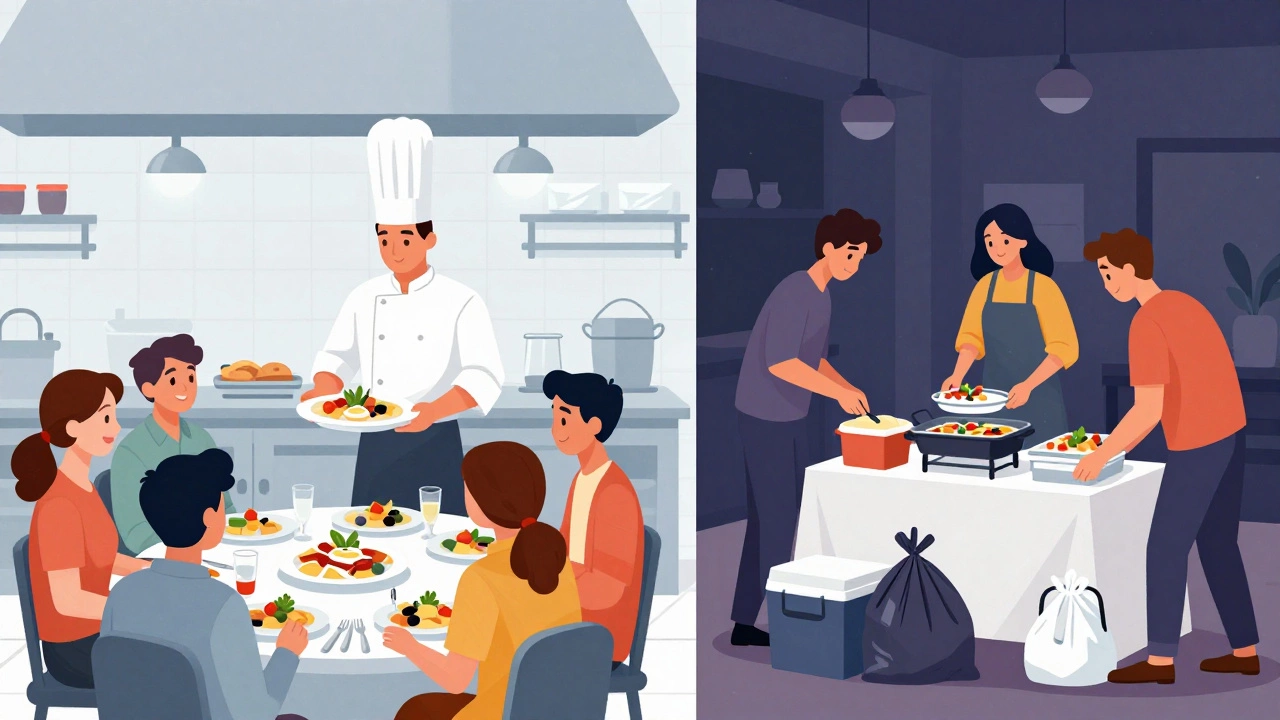
To know if DIY is cheaper, you first need to know what you’re beating. In Auckland and most of New Zealand, professional wedding catering typically runs between $80 and $150 per head for a full-service meal. This includes appetizers, a main course, sides, dessert, service staff, linens, glassware, and cleanup.
If you have 150 guests, that’s a bill of roughly $12,000 to $22,500. That feels steep. But here’s what people forget: that price includes labor. You aren’t paying for the chicken; you’re paying for the chef who cooks it, the server who brings it, and the busser who cleans the plates. When you remove those human elements, the cost drops drastically-but the work doesn’t disappear. It just transfers to you and your friends.
| Cost Component | Professional Caterer | DIY / Self-Catered |
|---|---|---|
| Food & Ingredients | $45-$70 per head | $30-$50 per head |
| Labor (Chefs/Servers) | $20-$40 per head | $0 (but unpaid friend labor) |
| Rentals (Linens/Glassware) | Included or $5-$10/head | $5-$15 per item rental |
| Cleanup & Waste | Included | $500-$1,500 dumpster/cleaning fee |
| Total Estimated Cost | $12,000 - $22,500 | $6,000 - $12,000 |
As you can see, the potential savings are significant-often 40% to 50%. But that lower number assumes you have free access to commercial-grade equipment and a team of willing helpers who don’t mind scrubbing grease off pans at midnight.
Hidden Costs That Blow Up DIY Budgets
When couples sit down to calculate their DIY wedding food budget, they usually start with grocery receipts. They buy bulk rice, wholesale chicken, and discounted vegetables. Then they hit the wall of "hidden" expenses that turn a $5,000 plan into an $8,000 reality.
Kitchen Rentals are commercial spaces available for hourly hire that provide industrial ovens, large prep tables, and refrigeration. You can’t cook 150 meals in a home kitchen without tripping the circuit breaker or running out of fridge space. In Auckland, renting a commercial kitchen for a day can cost $300 to $800. If you don’t rent one, you’ll be cooking in shifts, which doubles your time and fuel costs.
Then there’s Equipment Rental is the process of borrowing chafing dishes, serving utensils, heavy-duty coolers, and warming trays to keep food safe and presentable. Food safety isn’t optional. If your chicken sits out too long because you didn’t rent enough chafing dishes, you risk making guests sick. Renting 20 chafing dishes, plus lids and stands, can easily run $400 to $600. Add in disposable platters, napkins, and cutlery if you’re not using real china, and that line item grows fast.
Don’t forget waste disposal. Venues often charge a hefty fee for trash removal after a DIY event because they expect caterers to take their garbage with them. A roll-off dumpster for a wedding can cost $500 alone. These small fees add up quickly, eating into your projected savings.
When DIY Actually Makes Sense
Self-catering isn’t for everyone, but it works beautifully in specific scenarios. If you’re having a micro-wedding with under 50 guests, the logistics become manageable. You can likely cook in a home kitchen or use a few high-end slow cookers. The rental costs drop significantly, and you won’t need a team of servers.
Another sweet spot is the buffet-style or family-style meal. Instead of plated dinners requiring precise timing and multiple chefs, you serve hearty, forgiving foods. Think pasta bars, taco stations, or roasted meats with sides. These dishes hold heat well, look abundant even when portions are smaller, and require less specialized culinary skill.
If you have a family member who is a professional chef or has serious experience running a restaurant, leverage that. Their expertise means fewer mistakes, better portion control, and more efficient use of ingredients. However, even then, ask them to help as a gift, not as paid labor, to keep the budget low.
The Labor Trap: Who Is Really Working?
This is the part most couples ignore until the morning of the wedding. Cooking for 150 people is not a solo activity. It requires a team. You’ll need people to shop, transport, prep, cook, plate, serve, and clean. If you’re asking your friends to do this, you’re essentially hiring them for minimum wage with zero pay and zero benefits.
Consider the timeline. For a 6 PM dinner, food prep starts at 8 AM. Shopping happens the day before. Setup begins hours before guests arrive. Cleanup lasts until 2 AM. Your friends will miss the cocktail hour. They’ll miss dancing. They’ll miss celebrating with you. Are you saving $6,000 at the cost of your best man’s enjoyment of his own wedding?
If you want to mitigate this, hire a few key roles. You might still save money overall if you hire two professional servers and a cleanup crew instead of a full catering team. This hybrid approach gives you some breathing room and ensures the food looks professional.
Safety and Liability Risks
In New Zealand, food safety regulations are strict. If you’re serving food at a public event, you may need to register as a temporary food premises with your local council. Auckland Council, for example, requires notification for certain types of food events. Failing to comply can result in fines or shutdowns.
More importantly, consider liability. If a guest gets food poisoning from your homemade potato salad, who is responsible? Most wedding venues require proof of insurance for any external vendor. If you’re acting as your own caterer, you may need to purchase additional liability coverage. Standard wedding insurance policies often exclude DIY catering risks unless specifically added.
Keep hot foods above 60°C and cold foods below 5°C. Use thermometers. Don’t guess. One mistake can ruin the celebration and cause health issues. The peace of mind provided by a licensed caterer is part of what you’re paying for.
A Hybrid Approach: The Best of Both Worlds
You don’t have to choose between full-service catering and total DIY. Many couples find success with a hybrid model. Hire a caterer for the main course-a complex dish like roast beef or seafood-and handle the sides and desserts yourself. Or, book a food truck for lunch and do a DIY BBQ for dinner.
Another option is to use a "drop-off" caterer. They prepare and deliver the food but don’t provide service staff. You supply the rentals and your friends serve. This cuts labor costs significantly while ensuring professional-quality food. Look for companies that offer "plated-to-go" services where meals are pre-portioned in containers, reducing the need for on-site cooking.
This approach balances cost, quality, and effort. You get reliable mains without the hassle of cooking everything from scratch. It’s a practical compromise for couples who want savings without sacrificing sanity.
How much can I realistically save by catering my own wedding?
You can save between 40% and 60% compared to full-service catering. For a 150-guest wedding, this might mean saving $6,000 to $12,000. However, these savings assume you have free access to kitchen facilities and unpaid labor. Factor in rentals, permits, and cleanup fees to get a true picture.
Do I need a license to cater my own wedding in New Zealand?
Yes, depending on the scale and location. Local councils like Auckland Council require registration for temporary food premises. You must follow food safety guidelines, maintain proper temperatures, and ensure hygiene. Check with your local authority early in the planning process to avoid fines.
What are the easiest foods to DIY for a large group?
Focus on foods that hold heat well and require minimal last-minute assembly. Pasta bakes, chili, pulled pork, roasted vegetables, and salad bars are excellent choices. Avoid delicate dishes like soufflés or fresh seafood that spoil quickly. Buffet styles reduce pressure compared to plated service.
Should I hire helpers if I’m DIY catering?
Absolutely. Even if you cook, hire at least two servers and a cleanup crew. Friends should focus on enjoying the wedding, not working. Professional helpers ensure timely service and proper cleanup, preventing burnout and keeping the event running smoothly. Budget $200-$400 per person for day-of assistance.
Is DIY catering safe for guests with dietary restrictions?
It can be risky. Cross-contamination is a major concern in home kitchens. If you have guests with allergies, consider hiring a specialist for those specific meals or providing clearly labeled, separately prepared options. Communicate clearly with guests about ingredients and risks beforehand.