Ever walked into a wedding and noticed the groom’s tie looks exactly like the groomsmen’s? It’s not a coincidence. That matching tie isn’t just for looks-it’s a quiet signal of unity, tradition, and thoughtful planning. But who exactly wears the same tie as the groom? And why does it matter?
It’s Not Just the Groomsmen
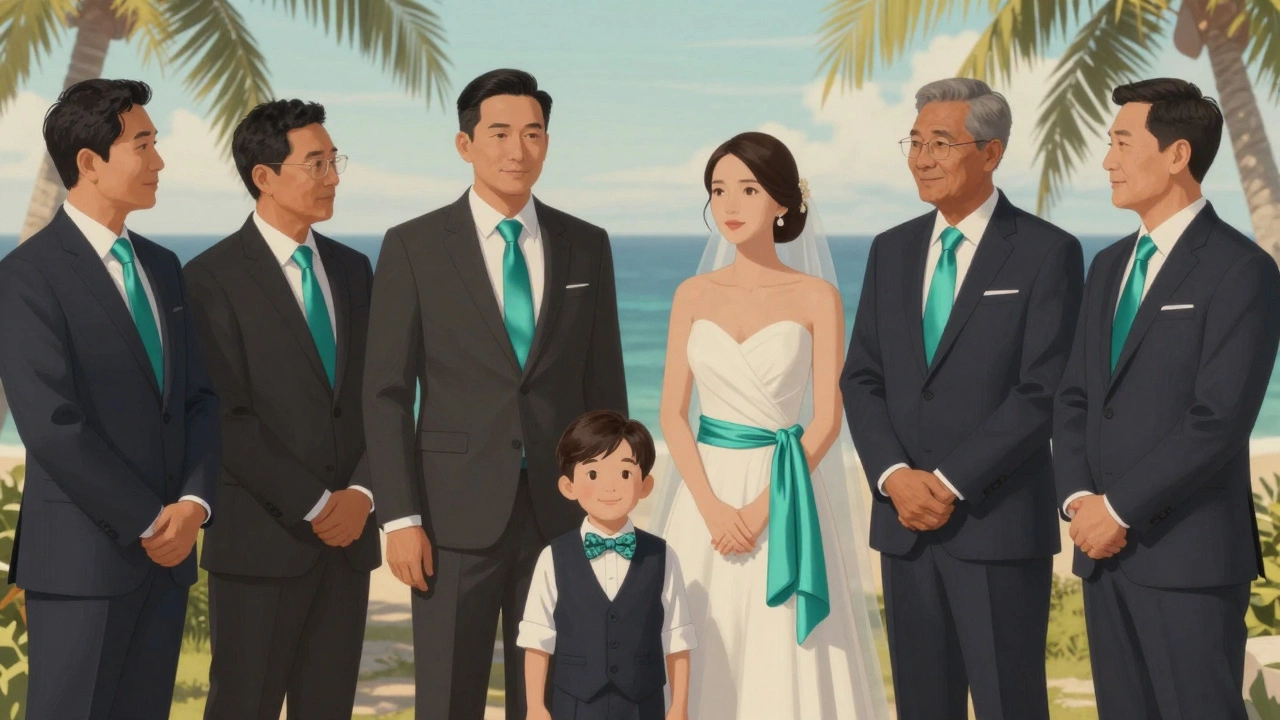
Most people assume only the groomsmen wear the same tie as the groom. That’s the standard, but it’s not the whole story. In modern weddings, the tie matching often extends beyond the groom’s party. The best man usually wears the exact same tie as the groom. It’s a subtle way to show he’s the groom’s closest ally-visually tied to him, literally and figuratively.But here’s what many don’t realize: fathers, stepfathers, and even the officiant sometimes wear the same tie. If the groom’s dad is walking him down the aisle, it’s common for him to match the tie for a cohesive family look. Same goes for the officiant-if they’re dressed formally and the wedding has a uniform theme, matching ties help keep the visual language clean.
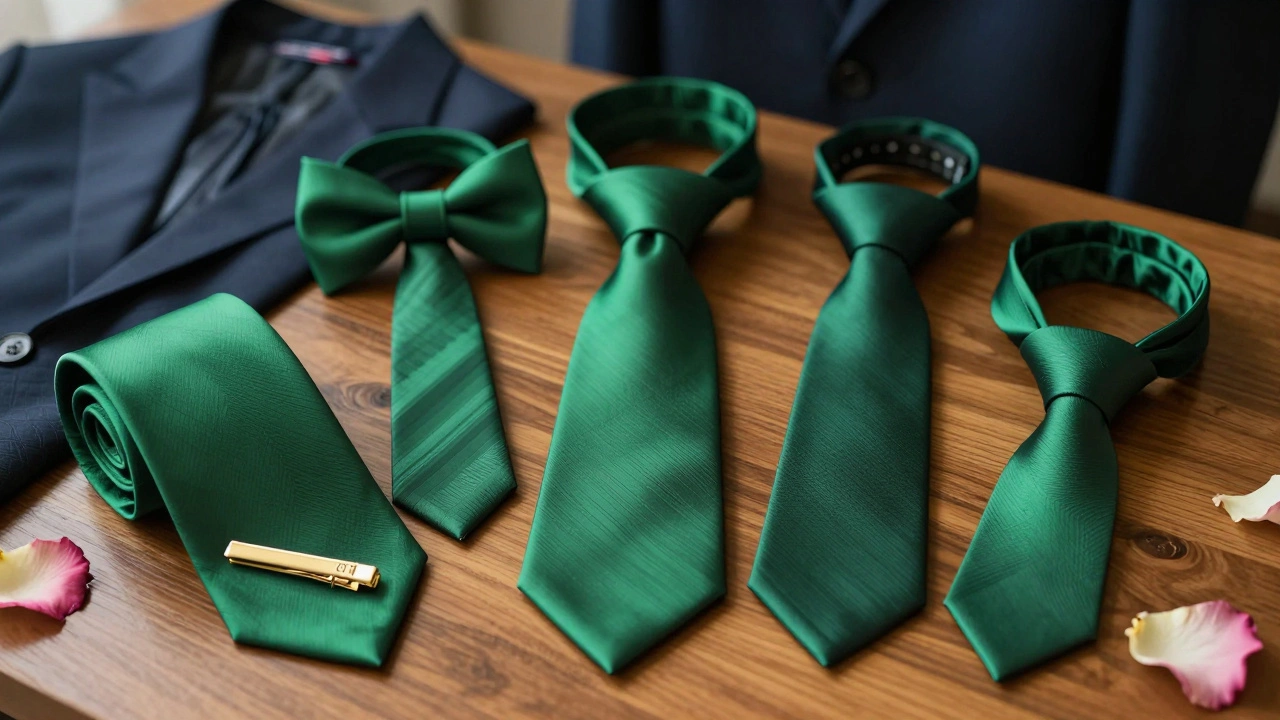
Even the ring bearer or page boy might wear a mini version of the tie, though it’s usually a bow tie or a smaller silk knot. It’s not about matching perfectly-it’s about echoing the style.
Why Match Ties at All?
Matching ties aren’t about conformity. They’re about cohesion. Think of the wedding party as a visual team. When everyone’s neckwear ties into the same color, pattern, or fabric, it creates a unified backdrop for photos. That’s especially important in group shots where you want the focus on the couple, not a rainbow of clashing patterns.It also makes dressing easier. Instead of asking five guys to pick their own ties, the groom picks one that works with the suit, the color scheme, and the season. Everyone else just grabs the same one. No stress. No mismatched polka dots next to a striped tie.
There’s also tradition behind it. In British and American weddings, matching ties became popular in the 1950s as formalwear became more standardized. Today, it’s less about rules and more about control over the aesthetic. A groom who cares about details knows that even small elements like a tie can make or break a photo.
How to Choose the Right Tie
Not every tie works with every suit. The key is balance. If the groom’s suit is navy, a deep burgundy or charcoal tie adds contrast without overpowering. If the suit is charcoal, a silk tie in emerald or wine gives depth. Avoid white ties unless it’s a beach wedding or the suit is black-white ties can look like tuxedo accessories, which might clash with a business-cut suit.Texture matters too. A wool tie with a linen suit? That’s a mismatch. Stick to silk for formal weddings. For rustic or outdoor events, a cotton or knit tie works fine. But if the groom’s tie is silk, the groomsmen’s should be too. Mixing materials looks sloppy.
Pattern coordination is the trickiest part. If the groom wears a solid tie, the groomsmen can wear subtle patterns-like microdots or thin stripes-within the same color family. But if the groom’s tie has a bold paisley, everyone else should wear the same. No exceptions. One wild tie in a group of solids draws the eye away from the bride.
What About the Bride’s Tie?
There’s no such thing as a bride’s tie. But that doesn’t mean she’s left out. Many brides now wear a tie-inspired accessory: a silk scarf tied around the neck, a brooch shaped like a bowtie, or even a lapel pin that echoes the groom’s tie color. It’s a quiet nod to the matching theme.Some couples go further. If the groom’s tie is navy with gold thread, the bride might wear gold earrings or a necklace with the same metallic finish. It’s not about matching exactly-it’s about harmony. The goal is to make the whole wedding feel connected, not like a costume party.
Common Mistakes to Avoid
One of the biggest mistakes? Buying ties the day before the wedding. Ties need to be tried on with the suit. A tie that looks perfect in the store can look too dark, too shiny, or too narrow under wedding lighting. Always test it in natural light.Another mistake: assuming all groomsmen wear the same tie. What if one groomsman is taller? A longer tie might drag. What if another has a wider neck? A standard 3-inch tie might look too skinny. That’s why many grooms now order ties in different lengths and widths, but the same design and fabric. Custom sizing isn’t expensive-it’s smart.
Don’t forget the knot. A Windsor knot looks full and formal. A four-in-hand is slimmer and modern. Make sure everyone ties it the same way. A mix of knots creates visual chaos. Give the groomsmen a quick tutorial or a video link. Even a 90-second clip can save hours of last-minute adjustments.
Alternatives to Matching Ties
Not everyone wants to wear the same tie. That’s fine. There are other ways to coordinate without uniformity.One popular option: same color family, different patterns. The groom wears a solid burgundy tie. The groomsmen wear ties with subtle stripes or checks in burgundy, maroon, and plum. It’s cohesive but not identical.
Another: tie clips or pins. Everyone wears a different tie, but they all have the same metal tie clip engraved with the wedding date or initials. It’s a subtle link that only those in the know will notice.
Or go color-coordinated without ties. The groom wears a tie. The groomsmen wear pocket squares in the same color. The best man wears a boutonniere that matches the tie’s hue. It’s elegant, flexible, and still unified.
Real Examples from Real Weddings
In Auckland last year, a couple got married at the Viaduct Harbour. The groom wore a charcoal suit with a deep teal silk tie. The groomsmen all wore the same tie. The fathers wore the same tie but with a different shirt-light gray instead of white. The officiant wore a navy suit with the same teal tie. The result? A photo album that looked like it was shot by a professional stylist. No one noticed the ties until they were pointed out. That’s the goal.Another couple in Wellington chose a muted olive green tie for the groom. The groomsmen wore olive knit ties for a more relaxed vibe. The ring bearer wore a tiny olive bow tie. The bride wore a silk scarf in the same shade, tied loosely at her waist. The wedding looked like a single color story, not a collection of outfits.
When Not to Match
There are times when matching ties feel forced. If the groom’s style is bold-think patterned shirts, colored suits, or no jacket at all-matching ties can look like a costume. In beach weddings, outdoor vineyards, or casual ceremonies, it’s often better to let people wear what they’re comfortable in.Also, if a groomsman has a medical condition, a cultural dress code, or simply refuses to wear a tie, don’t make it a battle. A pocket square or lapel pin can still include them in the theme. Weddings are about inclusion, not uniformity.
The rule isn’t ‘everyone must match.’ It’s ‘everyone should feel part of the story.’
Final Tip: Buy Early, Try On Together
Order ties at least six weeks before the wedding. That gives you time to exchange if the color looks wrong under the venue’s lights. Schedule a fitting with the groom and at least two groomsmen. Hold the ties up next to the suits. Take a photo in natural light. Ask: Does this look intentional? Or does it look like we grabbed whatever was on sale?Matching ties aren’t about copying. They’re about choosing together. It’s one of the few moments in a wedding where the groom gets to say, ‘This is us.’ And that’s worth getting right.
Do groomsmen always wear the same tie as the groom?
Not always, but it’s common. The groom and best man almost always match. Other groomsmen usually do too, but some couples choose color-coordinated ties instead. It’s about cohesion, not conformity.
Can the groom wear a different tie than the groomsmen?
Yes, if it’s intentional. Some grooms wear a bolder tie to stand out, while groomsmen wear subtler versions in the same color family. The key is keeping the palette unified so it doesn’t look random.
Should the father of the groom wear the same tie?
It’s common, especially if he’s walking the groom down the aisle. He doesn’t have to match exactly-same color, different pattern works. But matching ties create a clean, intentional family look in photos.
What if a groomsman doesn’t want to wear a tie?
Offer alternatives. A pocket square in the same color, a lapel pin, or a stylish cufflink can still tie them into the theme. Forcing someone to wear something they dislike creates tension. Weddings should feel joyful, not mandatory.
Is it okay to use clip-on ties for groomsmen?
Avoid them. Clip-on ties look cheap, especially in photos. They don’t drape naturally and often sit crooked. If you’re worried about tying knots, buy pre-tied silk ties that look hand-tied. They’re affordable and look professional.