Wedding Flower Timeline Calculator
Calculate Your Floral Planning Schedule
Enter your wedding details below to generate a personalized timelineThere is nothing quite like the scent of fresh roses or the vibrant pop of seasonal blooms to transform a wedding venue. But here is the hard truth: flowers are perishable. They do not wait for you. If you leave your floral planning until the last minute, you will either pay a premium rush fee or settle for whatever is left in the cooler.
You might be wondering exactly how many days before the wedding you should get flowers. The short answer is that you need to place your initial inquiry and deposit about 9 to 12 months before the big day. However, the actual physical flowers arrive just 1 to 2 days before the ceremony. Understanding this difference between "booking" and "receiving" is crucial for keeping your budget intact and your vision alive.
How many days before the wedding should you physically receive flowers?
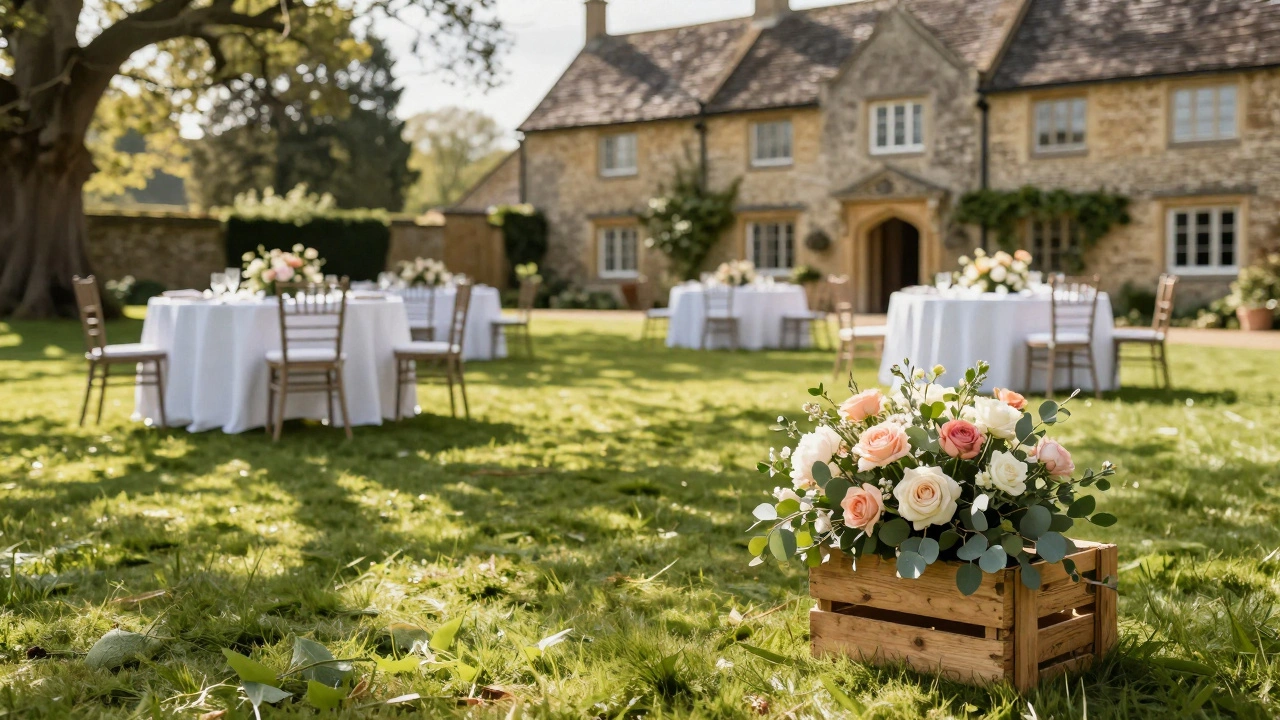
Most professional florists deliver and install fresh flowers on the morning of the wedding or the evening before. For example, if your wedding is on Saturday, delivery typically happens Friday afternoon or Saturday morning. This ensures maximum freshness. Dried flowers or preserved arrangements can be delivered weeks in advance.
The Booking Window: Why You Need to Start Early
Let's clear up a common misconception. When people ask when to "get" flowers, they often mean when to secure the florist. You cannot simply walk into a shop three weeks before your wedding and expect top-tier service for a large event. Popular venues in Auckland and beyond have exclusive relationships with specific florists. These vendors book up fast.
If you are planning a wedding during peak season-think spring (September to November) or autumn (March to May)-you need to lock in your vendor at least 12 months out. During off-peak times, you might find availability 6 to 9 months prior. Why such a long lead time? Because design takes work. Your florist needs to meet with you, understand your color palette, visit the venue to check lighting and layout, and source specific blooms that may require importing.
Consider this scenario: You want rare white peonies for your bridal bouquet. Peonies are seasonal and expensive. A good florist will reserve these from growers months in advance based on your deposit. If you wait, those peonies will likely be sold to another bride or unavailable due to weather conditions affecting crops.
The Design Phase: What Happens Between Booking and Delivery
Once you have signed the contract, the real work begins. This phase usually spans the 6 to 9 months leading up to the wedding. It is not just about picking colors; it is about logistics. Your florist will create a detailed proposal that outlines every stem, leaf, and vase.
- Initial Consultation: Discuss your vision, budget, and any allergies. Share photos of styles you love.
- Venue Walkthrough: The florist visits the location to assess tables, arches, and reception areas. This helps them calculate the exact quantity of flowers needed.
- Design Mock-ups: Some florists offer mock bouquets for bridesmaids or centerpieces. This usually happens 2 to 3 months before the wedding.
- Final Confirmation: About 4 to 6 weeks before the date, you finalize the guest count. This number directly impacts the number of centerpieces required.
This step-by-step process ensures that there are no surprises. If you change your mind about the color scheme at the last minute, it could disrupt the entire supply chain your florist has built. Sticking to the agreed design saves money and stress.
The Final Countdown: Last-Minute Details
As the wedding approaches, the focus shifts from design to execution. Here is what you need to know about the final weeks and days.
Four Weeks Before: Confirm your final headcount with your planner or venue coordinator. Pass this information to your florist immediately. Adding ten extra tables means adding ten more centerpieces, which requires more inventory and labor.
One Week Before: Your florist will likely send a final invoice or request payment of the balance. Ensure this is settled so they can prioritize your order. Also, confirm the delivery address and any access restrictions at the venue. Can their van get close to the entrance? Do they need parking permits?
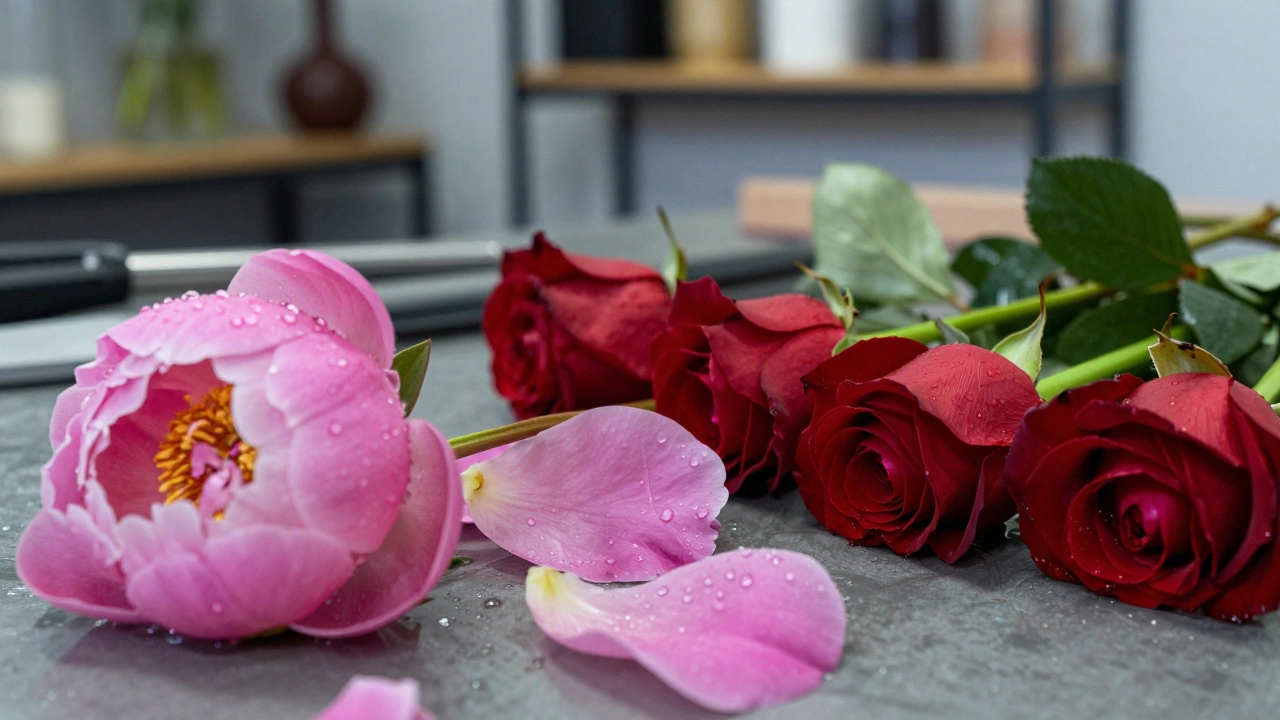
Two Days Before: This is when the magic starts happening behind the scenes. Florists begin receiving bulk shipments from growers. They clean, hydrate, and condition the stems. Delicate flowers like orchids or lilies might be arranged early because they take longer to set up. Robust flowers like roses and carnations are often cut closer to delivery time to maintain freshness.
Delivery Day: The Freshness Factor
So, how many days before the wedding do you actually see the flowers? Usually, it is zero days. They arrive on the day of the event. Here is why timing is critical on this day.
Fresh-cut flowers continue to respire after being harvested. They consume oxygen and release carbon dioxide. To keep them looking crisp and vibrant, they need constant hydration and cool temperatures. Professional florists store their inventory in climate-controlled rooms. On delivery day, they transport the blooms in insulated vans to prevent heat damage, especially important in New Zealand's variable weather.
For outdoor weddings, wind and sun are enemies. Your florist will likely install heavy vases and use floral foam or chicken wire to anchor arrangements securely. If your ceremony is at sunset, the setup might happen in the late afternoon. This allows the flowers to acclimatize to the environment slightly before guests arrive.
| Timeframe | Action Required | Key Detail |
|---|---|---|
| 12 Months Prior | Book Florist | Pay deposit to secure date |
| 6-8 Months Prior | Design Meeting | Finalize color palette and style |
| 3 Months Prior | Maintain Communication | Check venue updates |
| 4-6 Weeks Prior | Final Guest Count | Adjust centerpiece quantities |
| 1 Week Prior | Final Payment & Logistics | Confirm delivery details |
| Day Of | Delivery & Setup | Florist installs all arrangements |
Special Considerations: Dried and Preserved Flowers
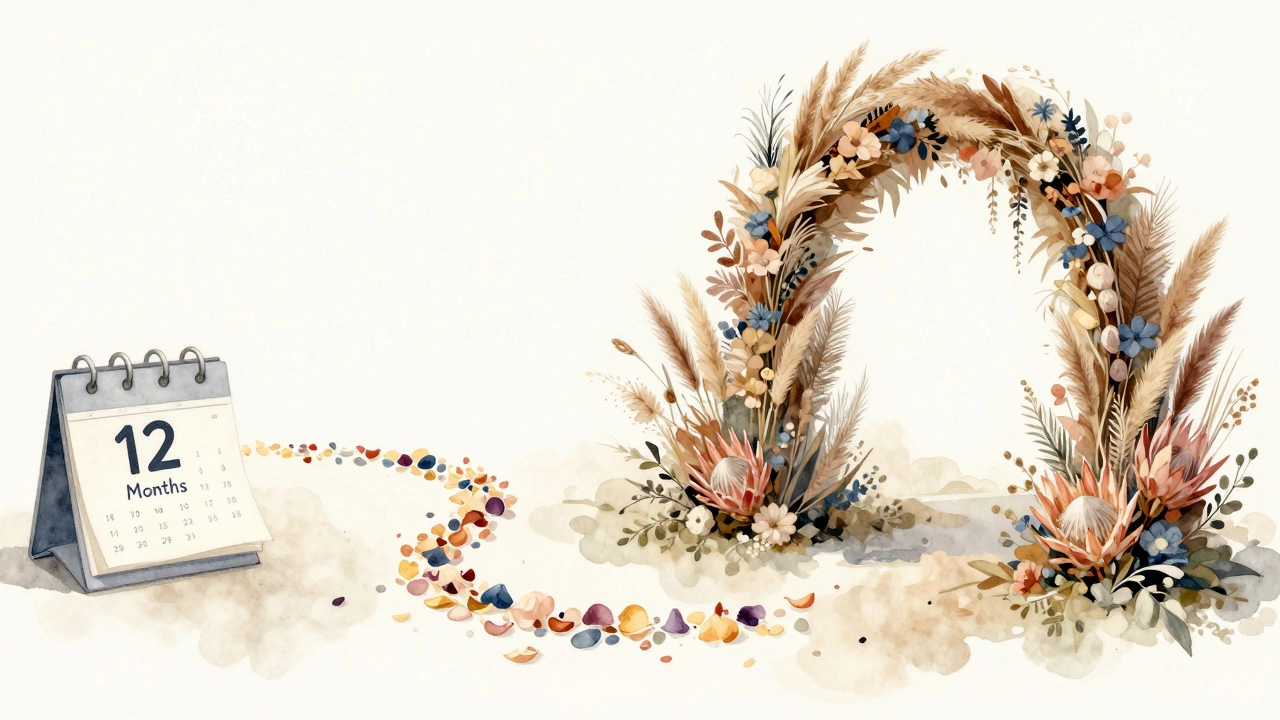
Not all wedding flowers are fresh. There is a growing trend toward using dried flowers and preserved botanicals. These options change the timeline significantly. Since they do not wilt or require water, they can be delivered weeks or even months in advance.
If you choose dried pampas grass, eucalyptus, or protea, you can arrange them yourself or have a DIY team help you. This reduces labor costs but increases your workload. You must handle these delicately as they are brittle. Dust is also a concern; ensure they are stored in a dry, dark place until the wedding day to prevent fading.
Preserved flowers, which are treated to retain their natural look and feel without water, offer a middle ground. They look fresh but last for years. These are often used for bridal bouquets that couples want to keep as keepsakes. Ordering these still requires lead time, but perhaps only 2 to 3 months, as they are less dependent on immediate harvest cycles.
Budgeting and Hidden Costs
Flowers are one of the most variable costs in a wedding budget. The price depends heavily on the seasonality of the blooms. Roses in winter cost more than roses in summer. Exotic imports like birds of paradise or anthuriums carry higher freight costs.
Be aware of additional fees:
- Delivery Fee: Charged by the florist for transportation.
- Setup Fee: Labor cost for arranging centerpieces and decor.
- Breakdown Fee: Cost to remove and dispose of flowers after the event.
- Vase Rental: If the venue does not provide containers, you may need to rent or buy them.
To manage costs, consider using fewer types of flowers in larger quantities. It is cheaper for the florist to source and arrange one type of bloom repeatedly than to create complex mixed arrangements. Greenery is also a cost-effective way to add volume and texture to arrangements.
What If You Need to Change Plans?
Life happens. Venues change, guest lists shrink, or budgets tighten. Most florists have cancellation policies outlined in their contracts. Typically, deposits are non-refundable if cancelled within 60 to 90 days of the wedding. If you need to reduce the scope, try to do so as early as possible. Removing centerpieces is easier than adding them last minute.
If you are switching florists, notify your original vendor immediately. This frees up their schedule for other clients and may allow you to transfer some payments, though this is rare. Always read the fine print regarding force majeure clauses, which cover unforeseen events like natural disasters or pandemics.
DIY vs. Professional Florist
Some couples opt for a DIY approach to save money. This involves buying wholesale flowers and arranging them yourself. While this can cut costs by up to 50%, it adds significant stress. You need to factor in the time for purchasing, conditioning, arranging, and delivering. Plus, you risk having wilted flowers if something goes wrong.
Professional florists bring expertise in design, color theory, and logistics. They know which flowers pair well together and how to make arrangements look full and lush without wasting stems. For most couples, the peace of mind provided by a professional is worth the investment. If you go DIY, start ordering wholesale flowers at least 3 to 4 days before the wedding to allow for conditioning time.
Can I pick my own flowers for the wedding?
Picking your own flowers is risky unless you have a large garden or access to a farm. Wildflowers may not be allowed in certain venues, and home-grown flowers might not match in size or quality. If you do this, ensure you have enough blooms and proper tools for cutting and arranging. It is best to consult a florist for guidance on variety selection.
How much should I budget for wedding flowers?
Budgets vary widely, but a typical range is $1,500 to $5,000+ depending on the scale. Bridesmaid bouquets average $50-$100 each, while centerpieces can range from $75 to $200. Get quotes from multiple florists and specify your exact needs to compare apples to apples.
What if the flowers don't arrive on time?
Reputable florists have contingency plans. Keep their emergency contact number handy. If delays occur, ask your wedding coordinator to communicate with the florist. Most contracts include clauses for late delivery compensation. Have backup indoor arrangements ready if outdoor setups are delayed by weather.
Should I tip the florist?
Tipping is customary if the service exceeds expectations. A tip of 15-20% of the total bill is appreciated, especially for the delivery and setup crew. If the florist owns the business, a smaller tip or a heartfelt thank-you note is sufficient. Check if gratuity is already included in the invoice.
Can I reuse flowers from the ceremony for the reception?
Yes, many couples move altar arrangements or aisle markers to the reception area. Discuss this with your florist beforehand so they can design pieces that are easy to transport and rearrange. This can save money and reduce waste. Ensure someone is assigned to handle this transition smoothly.