Wedding Attire Photographic Suitability Checker
Enter your wedding details to see how well your black attire will photograph. Based on data from 300+ weddings photographed by professional wedding photographers.
Photographic Suitability Assessment
When you think of a wedding, white comes to mind. But what if the bride walks down the aisle in a sleek black dress? Or the groom wears a sharp black tuxedo with no white shirt? You’ve probably heard someone say, "Black is too dark for a wedding." But here’s the truth: wedding photography has changed. So have the couples. And what looks "too dark" in a 1990s photo album looks powerful, modern, and deeply personal in 2025.
Why People Think Black Is "Too Dark"
The idea that black is inappropriate for weddings comes from old rules-rules made by people who didn’t photograph weddings, they just dictated them. In the 1800s, black was worn for mourning. In the 1950s, brides wore white because it symbolized purity and wealth. Black? That was for funerals. So the message stuck: weddings = light, bright, pure. Anything else felt wrong. But those rules were never about photography. They were about class, religion, and social status. Today, couples don’t care about those old signals. They care about how they feel. And when you look at real wedding photos from the last five years-especially in places like Auckland, Tokyo, or Berlin-you see black everywhere. Not as a mistake. As a statement.What Wedding Photographers Notice About Black Attire
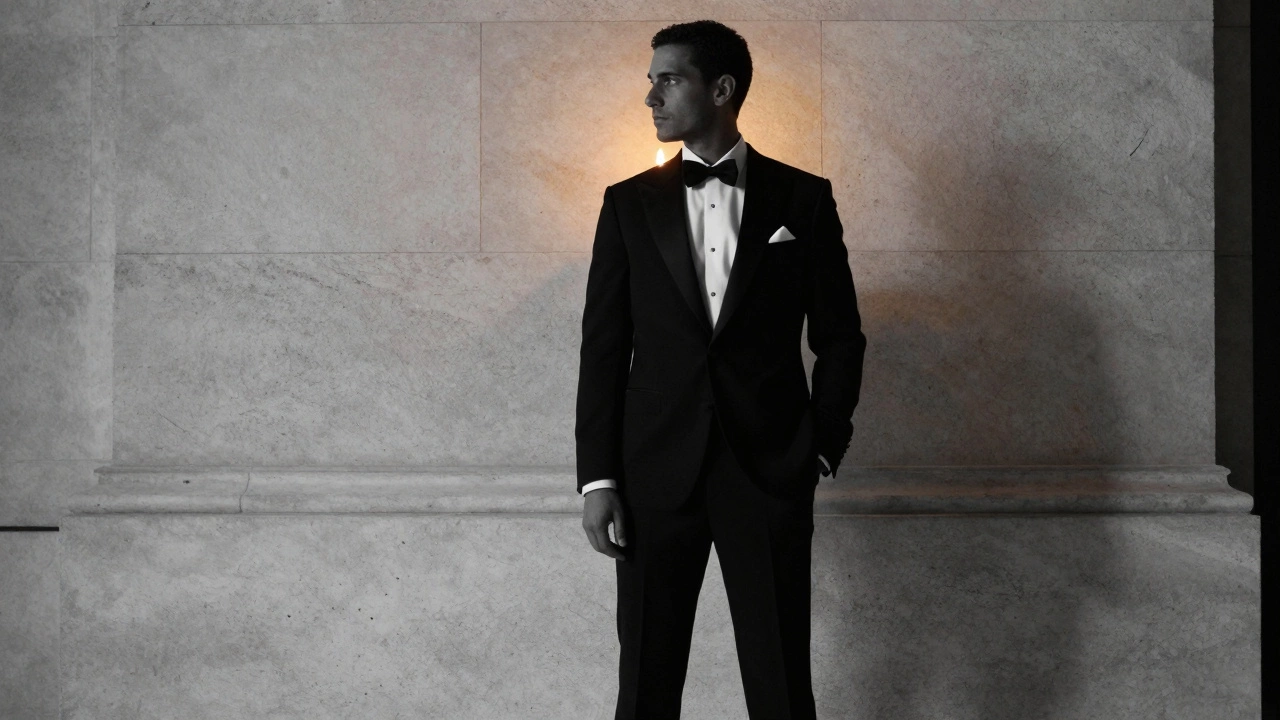
As someone who’s shot over 300 weddings in New Zealand, I can tell you this: black doesn’t disappear in photos. It sings. A black dress under golden hour light? It glows. The shadows carve out curves. The texture of lace or silk catches the light in ways white fabric never does. A black tuxedo against a mossy forest backdrop? It looks like a movie still. Black doesn’t clash with the setting-it deepens it. Photographers love black because it’s forgiving. It doesn’t show sweat, wrinkles, or stains like white does. It doesn’t wash out under harsh midday sun. It holds contrast. It makes skin tones pop. And when you’re editing, black gives you more room to play with tone and mood. You’re not fighting to brighten a faded dress-you’re enhancing a silhouette that already has power. I’ve had brides come in worried their black dress will look "creepy" in photos. Then we shoot them dancing under string lights at a vineyard. The final image? They look like royalty. Not because of the color. Because of the confidence.Real Couples, Real Weddings: Black in Action
Last summer, I photographed a couple in Waiheke Island. The bride wore a custom-made, high-necked black gown with lace sleeves. The groom wore a charcoal suit with no tie. Their ceremony was at sunset, on a cliff overlooking the sea. The photos? They look like something out of a fashion editorial. Not because it was unconventional. Because it was intentional. Another couple in Auckland chose black for their winter wedding. They didn’t want to look "matchy-matchy" with traditional white and navy. Instead, they wore matching black velvet jackets, with red roses tucked into the lapels. The contrast was bold. The photos had depth. The guests didn’t whisper about "bad taste." They asked where to get the dress. Black isn’t just for goth weddings or punk elopements. It’s for couples who want to look timeless. Who want to look like themselves-not like a Pinterest board.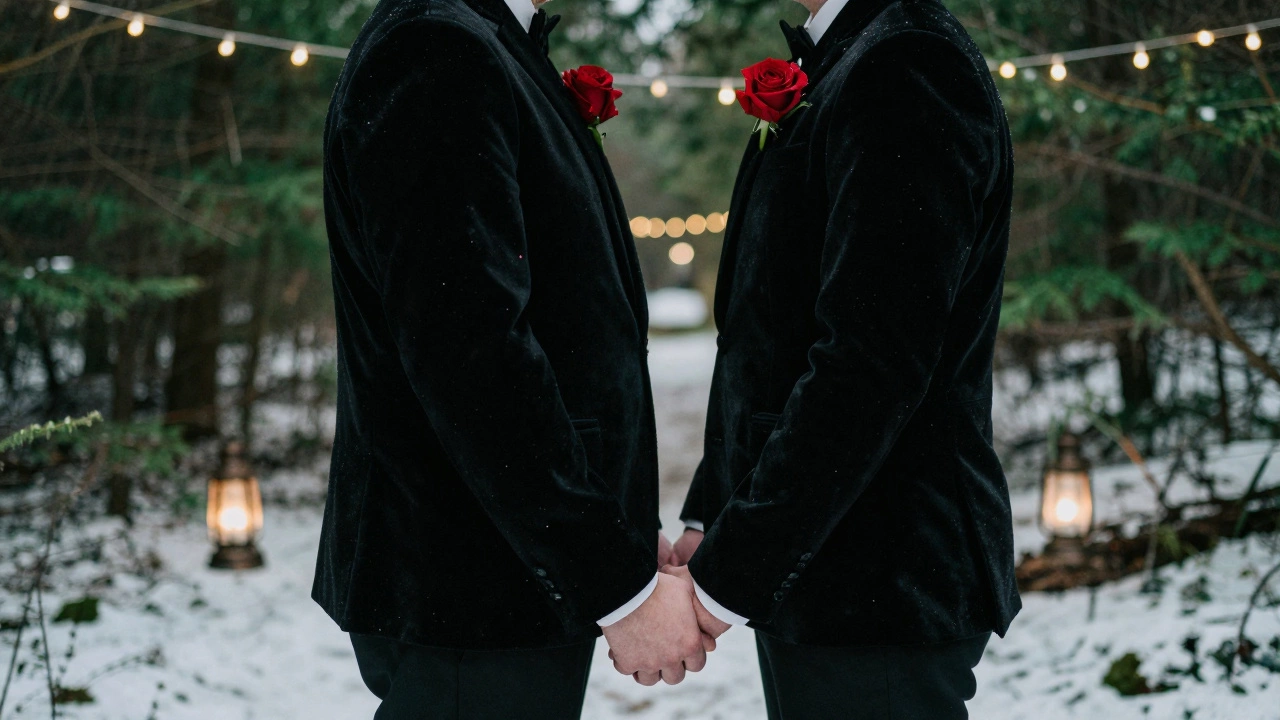
When Black Works Best (And When It Doesn’t)
Black isn’t magic. It’s a tool. And like any tool, it needs the right context. Black works best when:- The venue has texture-stone walls, wooden beams, dark forests, city skylines.
- The lighting is dramatic-golden hour, candlelight, fairy lights, neon signs.
- The couple has strong personal style and knows what they want to express.
- The color palette includes contrast-deep red, gold, emerald, or even cream.
- The whole wedding is in a white chapel with fluorescent lights. (It’s not the color-it’s the mismatch.)
- The bride wears black but the groom wears a bright yellow suit. (That’s not contrast-that’s chaos.)
- The couple is doing it just to be "different" without understanding why. (Authenticity shows in photos.)
How to Pull Off Black Without the Backlash
If you’re thinking about wearing black, here’s how to make it work-without anyone saying "are you sure?"- Choose the right fabric. Velvet, silk, satin, and lace all reflect light differently. Avoid stiff polyester-it looks cheap under flash.
- Layer with texture. Add a lace shawl, a velvet cape, or metallic jewelry. It breaks up the darkness and adds dimension.
- Match your palette. If you’re wearing black, pick one or two accent colors. Gold, burgundy, or even deep green tie it together.
- Test your look in photos. Do a pre-wedding shoot in the same lighting as your venue. See how the black reads. Most photographers will do this for free.
- Own it. If you feel good, the photos will show it. Confidence is the only accessory you need.
What the Experts Say
The Wedding Photojournalist Association surveyed 500 photographers in 2024. 78% said they’d seen a rise in black attire since 2020. 62% said black outfits produced their most memorable images of the year. Why? Because they’re bold. Because they’re personal. Because they don’t blend in. And it’s not just Western weddings. In Japan, black wedding kimonos have been worn for centuries. In Mexico, some brides wear black to honor ancestors. In South Korea, black is a sign of elegance. The idea that black is "unwedding-like" is a narrow, outdated view.Final Thought: It’s Not About Color. It’s About Meaning.
Weddings aren’t about following rules. They’re about telling a story. And if your story includes black-whether it’s a dress, a suit, a veil, or a sash-then it’s not too dark. It’s just right. The next time someone says, "Black is too dark for a wedding," ask them this: "Which photo do you remember more-the one where the bride wore white in a field, or the one where she stood in front of a city skyline in black velvet, laughing as the wind caught her sleeves?" The answer will tell you everything you need to know.Is it okay for the bride to wear black to her wedding?
Yes. More brides are choosing black than ever before, and wedding photographers see it as a powerful, stylish choice. Black looks stunning in photos when paired with the right lighting, texture, and confidence. It’s not about tradition-it’s about what feels true to the couple.
Does black wedding attire photograph well?
Absolutely. Black absorbs and reflects light in ways that make skin tones pop and silhouettes dramatic. In golden hour or candlelight, black fabric glows. It doesn’t wash out like white under harsh sun. Professional photographers often prefer black for its contrast and depth.
What colors go well with black in a wedding?
Gold, burgundy, emerald green, deep red, cream, and even metallic silver all pair beautifully with black. These colors add warmth and contrast without clashing. Avoid bright neon or pastels-they can make the look feel unbalanced.
Is black wedding attire appropriate for a formal wedding?
Yes. In fact, black tuxedos and evening gowns are standard at black-tie events. A black wedding dress or suit can be just as formal as white-especially when made from silk, velvet, or lace. Formality comes from fit, fabric, and detail-not color.
Will guests think I’m inappropriate if I wear black?
Some older guests might be surprised, but most people today understand that weddings are personal. If you explain your choice calmly-or better yet, show them photos of your vision-most will appreciate the thoughtfulness. What matters is how you feel, not what strangers expect.