Wedding Decor Budget & Impact Planner
Determine how much you should spend on specific decor elements based on your venue's inherent character and your desired guest experience.
Recommended Decor Budget
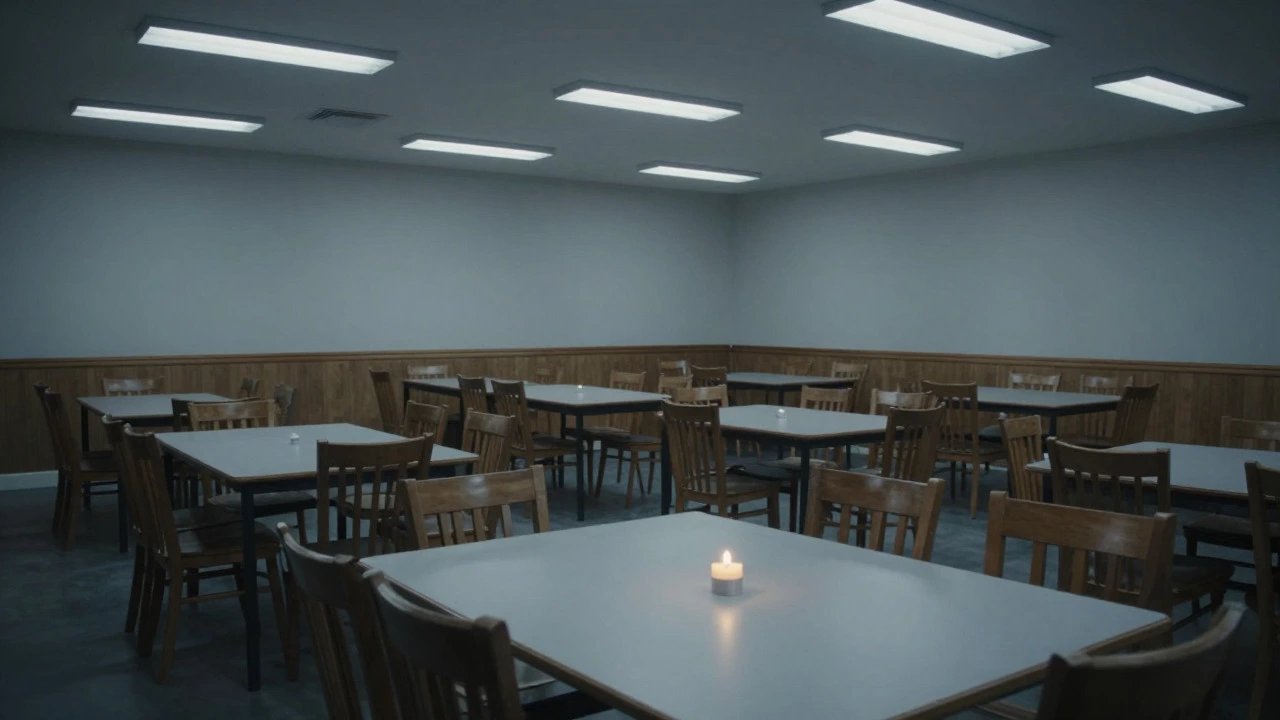
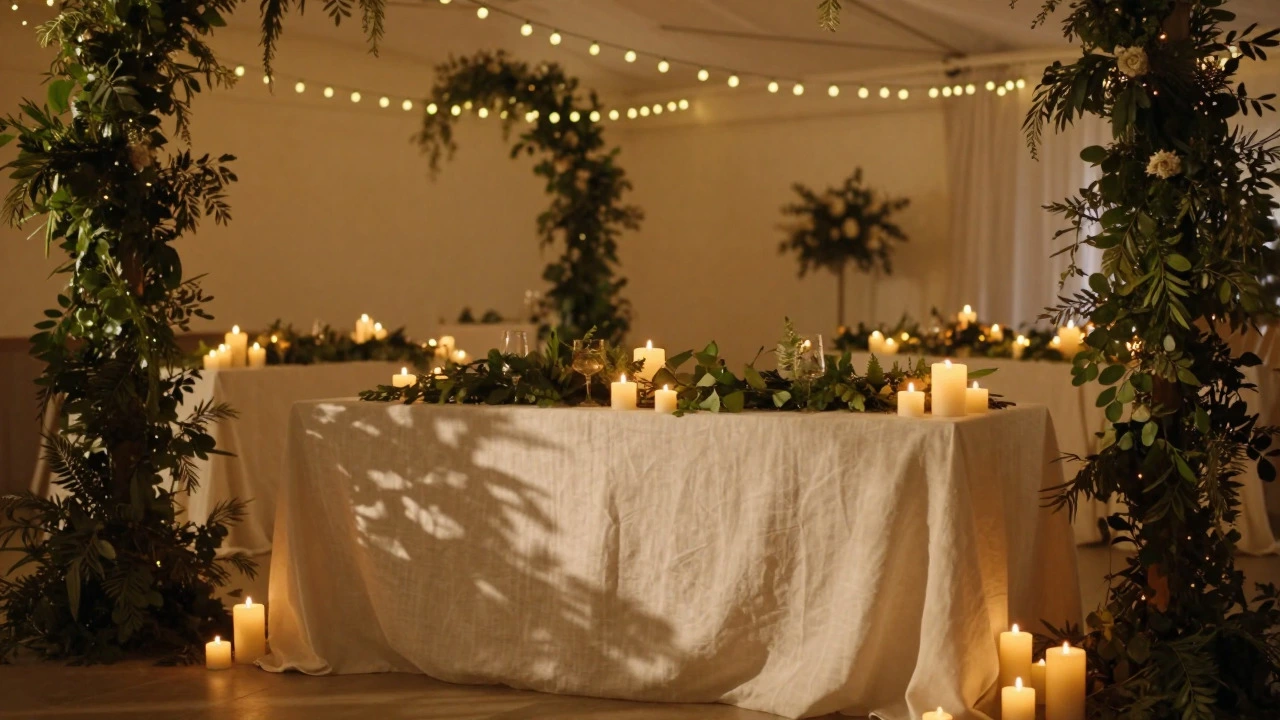
Walk into a dimly lit room with mismatched chairs and a bare table. Now walk into the same space, but add warm candlelight, cohesive linens, and a few greenery accents. Which one feels like a celebration? Most people pick the second without hesitation. This isn't just about being fancy; it's about atmosphere. wedding decor is the silent narrator of your big day. It sets the tone before you even say "I do." But does it actually matter to your guests, or is it just extra cost for photos?
The short answer is yes, it matters-but not in the way you might think. It’s not about buying the most expensive flowers or renting crystal chandeliers. It’s about creating a sensory environment that makes your guests feel welcomed, comfortable, and part of something special. Let’s break down why visual design impacts the emotional weight of your wedding and how to get it right without breaking the bank.
The Psychology of Space: Why Ambience Changes How People Feel
Human beings are visual creatures. Before we hear a speech or taste a meal, we see the room. This initial scan determines our mood. A cluttered, poorly lit space signals chaos. A clean, well-lit space signals care. In wedding planning, this is known as environmental psychology. When you style a venue, you are subtly guiding your guests' emotions.
Consider lighting. It is arguably the single most impactful element of decor. Harsh overhead fluorescent lights can make everyone look tired and unflattering. Warm, low-level lighting-think candles, string lights, or uplights-creates intimacy. It encourages conversation and relaxation. If you’ve ever felt instantly more relaxed in a cozy café versus a sterile office, you know what I mean. At a wedding, this shift from "event" to "experience" happens through light.
Color and texture also play a huge role. They tie the whole event together. If your invitations are cream and gold, but the tables are bright blue plastic, the disconnect creates cognitive dissonance. Guests may not consciously notice it, but they’ll feel a lack of cohesion. Consistency tells guests that every detail was thought out, which builds trust and appreciation for the couple’s effort.
Decor vs. Venue: Do You Need Heavy Styling?
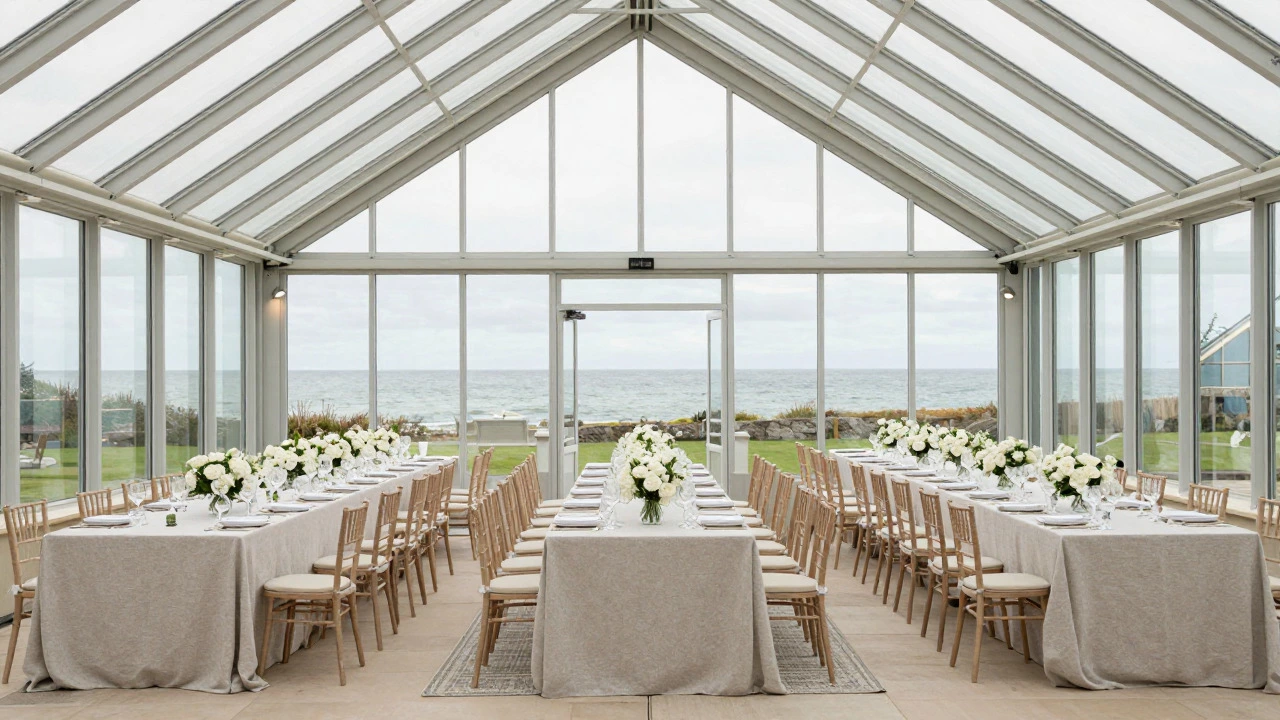
This is where budgets often go wrong. Many couples think they need to transform a plain hall into a palace. But if you choose a venue with inherent character, you can spend less on added decor. A historic church with stained glass windows needs very little extra decoration. A modern glasshouse with a view of the ocean already has a stunning backdrop.
On the other hand, if you’re renting a generic community hall or a white-box banquet center, decor becomes essential to hide the blandness. Here, you aren’t just adding beauty; you’re building a world. You need to mask industrial features like exposed ducts or stark walls. In these cases, draping, large floral installations, and strategic lighting become functional necessities, not just aesthetic choices.
Ask yourself: What is the venue giving me for free? If the architecture is strong, lean into it. If the architecture is neutral, you have to create the personality. This distinction saves thousands of dollars. You don’t need to decorate a beautiful barn; you need to decorate an empty warehouse.
The Guest Experience: Comfort Over Aesthetics
Here is a hard truth: guests care more about comfort than they do about perfect symmetry. While you want your Instagram feed to look good, your guests want to sit comfortably, eat well, and dance without tripping over cables. Decor that serves only the camera but hinders the party is a failure.
Think about the flow of the space. Are the tables too close together? Can people move around easily? Is the seating area distinct from the dining area? Good decor organizes the space. It defines zones. For example, using different rug textures or floor coverings can separate the head table from the guest tables without needing physical barriers. This subtle organization helps guests understand where to stand, sit, and mingle.
Also, consider accessibility. Low tables with high-backed chairs might look chic, but they can block sightlines for shorter guests. If the bride and groom are at a raised dais, ensure the rest of the room isn’t left in the dark. Inclusive design means everyone feels seen and included. That is the real value of thoughtful decor.
Budgeting Smart: Where to Spend and Where to Save
You don’t need a massive budget to have great decor. You need a strategy. The biggest mistake couples make is spreading their money thin across every aspect of the event. Instead, focus on high-impact areas.
- Lighting: This is non-negotiable. Renting professional uplights and candle packages transforms any space. It’s worth every penny.
- Flowers: Focus on focal points. One large, beautiful arrangement at the head table looks better than ten small, mediocre ones scattered around. Use greenery to fill gaps cheaply.
- Linens and Tableware: These define the table’s look. Invest in quality fabrics that drape well. Plastic chargers or mismatched plates ruin the vibe quickly.
- Signage: Simple, elegant signage helps guide guests. You don’t need custom engraved wood. Clean typography on cardstock works perfectly.
Where can you save? Centerpieces. If you have strong lighting and nice linens, you don’t need elaborate floral towers on every table. Simple bud vases or even potted plants can work. Also, consider DIY elements for things like welcome signs or photo booth props. These are personal touches that don’t require professional craftsmanship.
Common Mistakes That Ruin the Vibe
Even with a good plan, small errors can derail the look. The most common mistake is over-cluttering. More is not always better. If every surface is covered in trinkets, the eye has nowhere to rest. Leave negative space. Let the architecture breathe. Let the flowers stand alone.
Another pitfall is ignoring the season. Using heavy, dark florals in a hot summer outdoor wedding can feel oppressive. Conversely, bright, airy pastels in a winter indoor wedding might feel cold. Align your decor choices with the weather and time of year. Seasonal appropriateness makes the event feel natural rather than forced.
Finally, don’t forget the digital experience. Your decor will be photographed constantly. Choose colors that photograph well. Avoid neon hues that blow out on camera. Test your color palette with a sample shot in similar lighting conditions. This simple step ensures your memories look as good as they feel.
Final Thoughts: It’s About Feeling, Not Just Looking
So, does decor matter? Yes, because it shapes the memory. Years from now, your guests won’t remember the specific brand of napkin rings. They will remember how the room made them feel. Did they feel welcomed? Did they feel excited? Did they feel at ease? That is the job of your decor. It is the stage upon which your love story is told. Treat it with intention, keep it consistent, and prioritize comfort. You’ll create a day that feels effortless, even if the planning wasn’t.