Bridal Bloom Matcher
Select your wedding vibe or desired message below to discover which bloom best represents your union.
You’re standing in a florist’s shop, surrounded by buckets of color and scent. The florist asks what you want your bouquet to say. You freeze. You know you want it to be beautiful, but do you know what the rose actually means? Or why your grandmother insisted on lilies?
Floriography, or the language of flowers, is an old tradition where specific blooms carry hidden messages. While you don’t need to send coded letters like Victorian lovers, understanding what a flower symbolizes can add a layer of personal meaning to your big day. It turns a pretty arrangement into a statement about your relationship, your hopes for the future, or your heritage.
So, what flower symbolizes a wedding? There isn’t just one answer. Different blooms represent different aspects of marriage-love, purity, commitment, and even good fortune. Let’s break down the most popular choices and what they really mean.
The Classic Choice: Roses
If there’s one flower that screams "wedding," it’s the rose. But not all roses are created equal. The color changes the message entirely.
A red rose is the universal symbol of deep, romantic love. It’s passionate and bold. If your relationship is built on intense connection, this is your go-to. However, many brides shy away from pure red because it can look heavy in photos. That’s where the blush pink or white rose comes in.
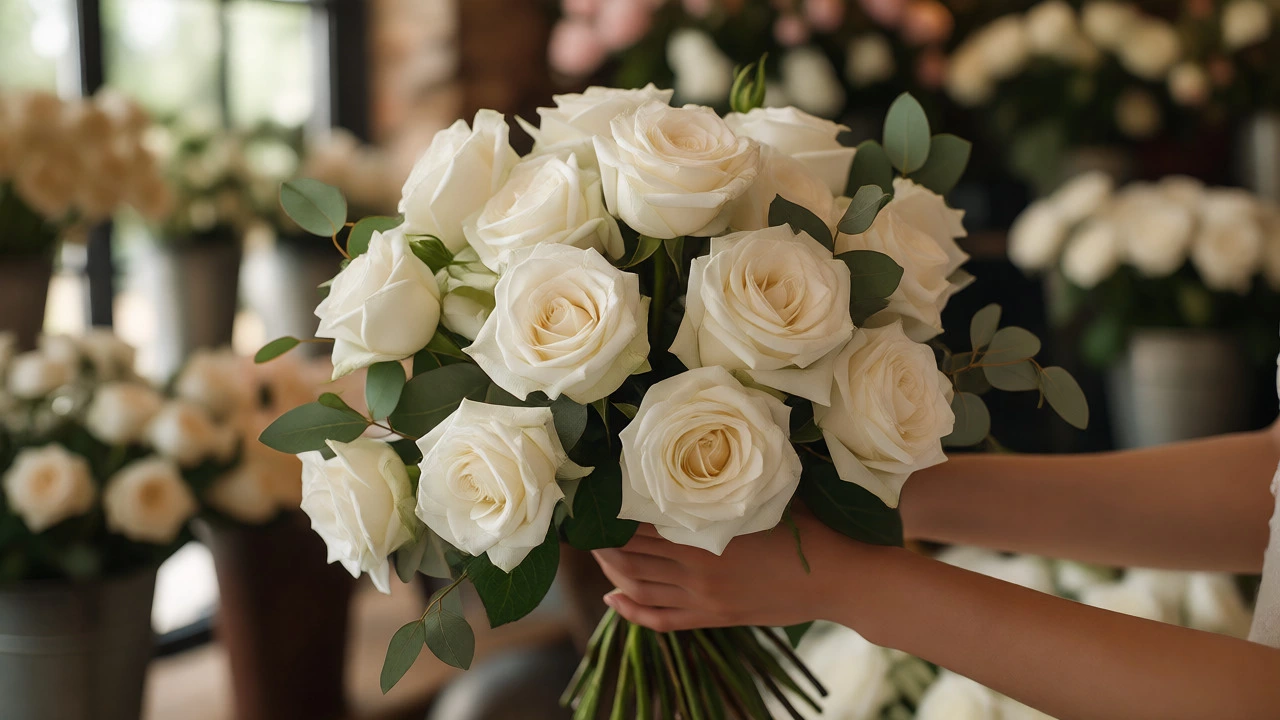
White roses traditionally symbolize innocence, purity, and new beginnings. This aligns perfectly with the idea of starting a new chapter together. They also represent unity. When you see a bride holding a tight cluster of white roses, she’s signaling a desire for a harmonious, unified life with her partner.
| Rose Color | Symbolic Meaning | Best For |
|---|---|---|
| Red | Deep Love, Passion | Traditional, Romantic Weddings |
| White | Purity, New Beginnings, Unity | Classic, Formal Ceremonies |
| Pink | Grace, Appreciation, Joy | Garden Parties, Spring Weddings |
| Yellow | Friendship, Joy (Caution: historically meant jealousy) | Casual, Friendly Gatherings |
One thing to watch out for: yellow roses. In modern times, they mostly mean friendship and joy. But in older floriography, they could imply jealousy or infidelity. If your family is traditional, maybe skip the yellow unless you’re sure no one will raise an eyebrow.
The Luxury Option: Peonies
If you’ve scrolled through Pinterest lately, you’ve seen them. Big, fluffy, expensive-looking peonies. They are arguably the most requested wedding flower right now. Why? Because they look luxurious without trying too hard.
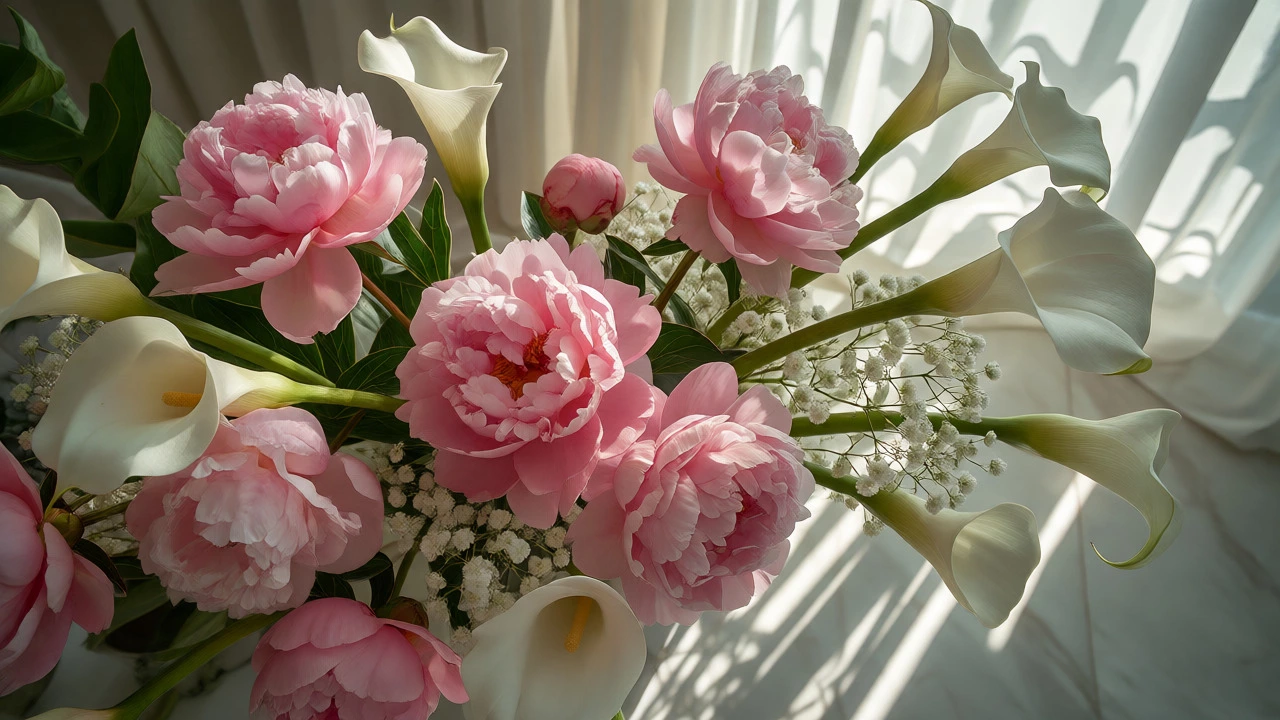
Peonies symbolize happy marriages, prosperity, and good fortune. There’s a reason they’re so popular-they literally wish you luck. They also represent romance and bashfulness. If you’re a bit shy or if your courtship was slow-burning, peonies fit the narrative well.
But here’s the catch: peonies have a short season. They’re strictly spring-to-early-summer blooms. If you’re getting married in October, as many people are, fresh peonies might be imported and pricey. Florists often use garden roses or ranunculus to mimic that full, ruffled look if peonies aren’t available.
The Purity Icon: Lilies
Lilies, particularly the Calla Lily and the Oriental Lily, are staples in wedding decor. Calla lilies are sleek, modern, and elegant. Their trumpet shape draws the eye upward, making them perfect for minimalist bouquets or aisle markers.
Lilies generally symbolize purity, devotion, and majesty. The Calla Lily specifically represents beauty and rebirth. This makes it a great choice for second marriages or weddings that mark a significant fresh start after a difficult period.
Oriental lilies, with their strong fragrance and large petals, symbolize loyalty and virtue. Just be careful with the pollen. Those bright orange stamens can stain white dresses irreversibly. Ask your florist to remove the stamens before delivery. It’s a small step that saves a huge headache.
The Modern Favorite: Ranunculus
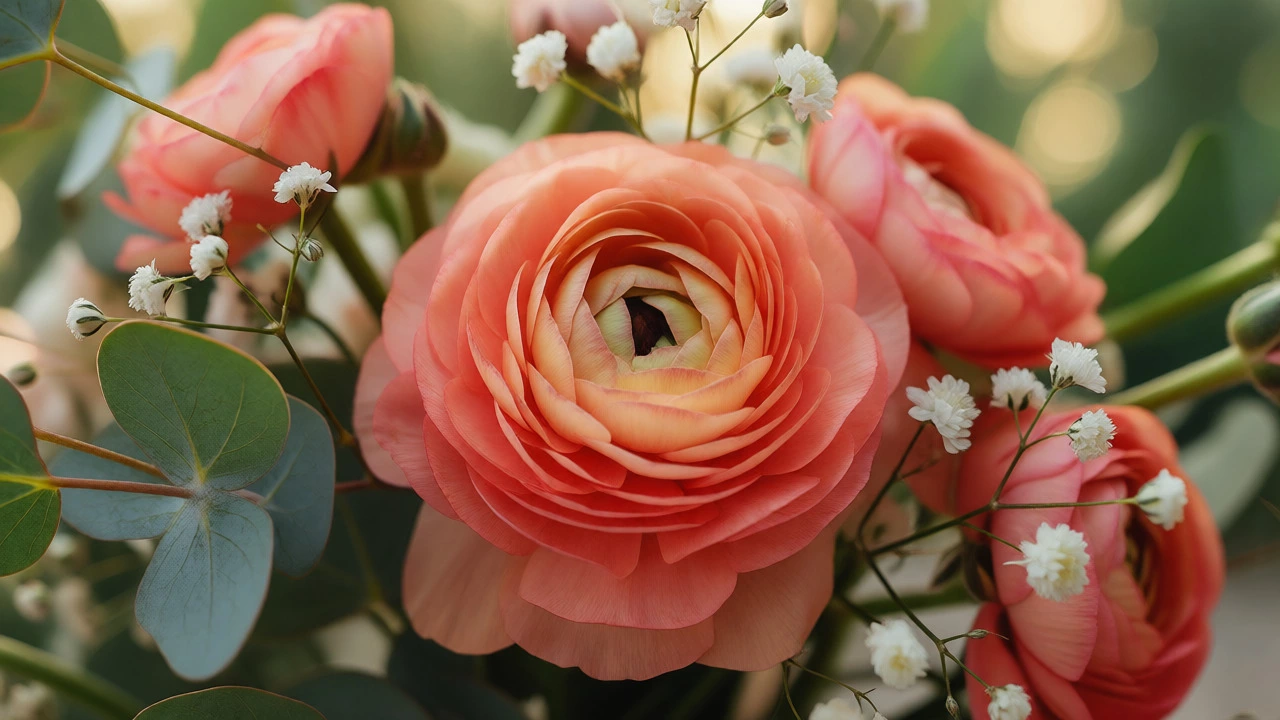
Ranunculus look like tiny, layered cabbages, which sounds weird until you see them up close. They come in every color imaginable and have dozens of delicate petals. They add texture and depth to a bouquet without overwhelming it.
These flowers symbolize charm, attractiveness, and radiant happiness. They’re playful and light. If your wedding vibe is fun, colorful, and less formal, ranunculus are a fantastic choice. They pair beautifully with wildflowers or greenery for a boho-chic look.
They’re also more affordable than peonies and have a longer availability window. You can find them year-round, which makes budget planning easier. Plus, they hold up well in heat, so if you’re having an outdoor summer ceremony, they won’t wilt as quickly as some other delicate blooms.
The Sentimental Choice: Baby’s Breath
Baby’s breath is that cloud-like filler flower that used to be everywhere. Some brides think it’s outdated, but it’s coming back in style, especially in loose, natural arrangements.
Baby’s breath symbolizes everlasting love, innocence, and sincerity. It’s subtle. It doesn’t shout; it whispers. Using baby’s breath suggests that your love is steady and enduring, not just flashy.
It’s also incredibly practical. It dries well, so you can keep part of your bouquet as a keepsake. And it’s cheap. If you want volume without breaking the bank, baby’s breath is your best friend. Mix it with roses or peonies to create a full, airy look that feels effortless.
How to Choose Your Wedding Flower
Don’t just pick based on looks. Think about the story you want to tell. Here’s a quick checklist to help you decide:
- Consider the Season: Out-of-season flowers cost triple. Stick to what’s blooming locally for better quality and lower prices.
- Match the Vibe: Is your wedding formal? Go for roses or calla lilies. Is it rustic? Try sunflowers or dahlias.
- Check Allergies: Lilies and chrysanthemums have strong scents. If guests or you are sensitive, opt for odorless options like orchids or hydrangeas.
- Think About Durability: Will the bouquet be held for hours during photos? Delicate tulips might droop. Sturdier flowers like carnations or gerberas last longer.
Remember, the "right" flower is the one that resonates with you personally. Maybe your first date was at a park filled with daisies. Daisies symbolize loyal love and patience. That personal connection beats any generic symbol every time.
Frequently Asked Questions
What is the most traditional wedding flower?
The white rose is widely considered the most traditional wedding flower. It symbolizes purity, innocence, and new beginnings, aligning closely with historical wedding customs. However, lilies and gardenias are also deeply rooted in tradition, representing devotion and elegance respectively.
Do wedding flowers have to match the dress?
No, they don't have to match exactly, but they should complement each other. White or ivory flowers blend seamlessly with white dresses, while colored blooms can add contrast. The key is harmony in tone and style rather than identical colors. For example, soft pastels work well with lace details, while bold reds suit structured satin gowns.
Which flowers are bad luck for weddings?
Superstitions vary by culture, but chrysanthemums are sometimes avoided in certain European traditions because they are associated with funerals. Similarly, some believe yellow roses indicate jealousy, though this is largely outdated. Ultimately, if you love a flower, it brings you joy, which outweighs superstition.
Can I use artificial flowers for my wedding?
Yes, high-quality silk or preserved flowers are increasingly popular. They don't wilt, stay consistent in appearance throughout the event, and can be kept as long-term keepsakes. Just ensure they look realistic under natural light if you're taking daytime photos.
What does a bouquet of mixed flowers mean?
A mixed bouquet allows you to combine multiple meanings. For instance, mixing roses (love) with baby's breath (everlasting love) and ivy (fidelity) creates a comprehensive message about your relationship. It shows thoughtfulness and complexity, reflecting that marriage involves many facets beyond just romance.