Cake Professional Finder
Not sure who to hire? Answer these three questions to find the right professional for your specific project.
You’re sitting across from someone who just showed you a portfolio of towering, sugar-spun masterpieces. You ask them to quote for your wedding, and they sign the email as "Head of Confectionery." Or maybe it was "Pâtissier." It’s easy to feel a bit out of your depth when the person making your dessert uses words that sound like they belong in a French opera rather than a bakery.
So, what is a professional cake maker actually called? The short answer is that there isn’t one single title. Depending on where they trained, what they specialize in, and how formal their business is, they might be a Pastry Chef, a baker, a confectioner, or a pâtissier. Knowing the difference helps you hire the right person for your specific needs, whether you want a rustic lemon drizzle or a structural engineering feat made of fondant.
The Big Three: Baker, Pastry Chef, and Pâtissier
Most people use these terms interchangeably, but in the culinary world, they represent distinct levels of training and specialization. If you are planning a wedding with a complex cake design, understanding this hierarchy saves you from hiring a bread baker to build a five-tier masterpiece.
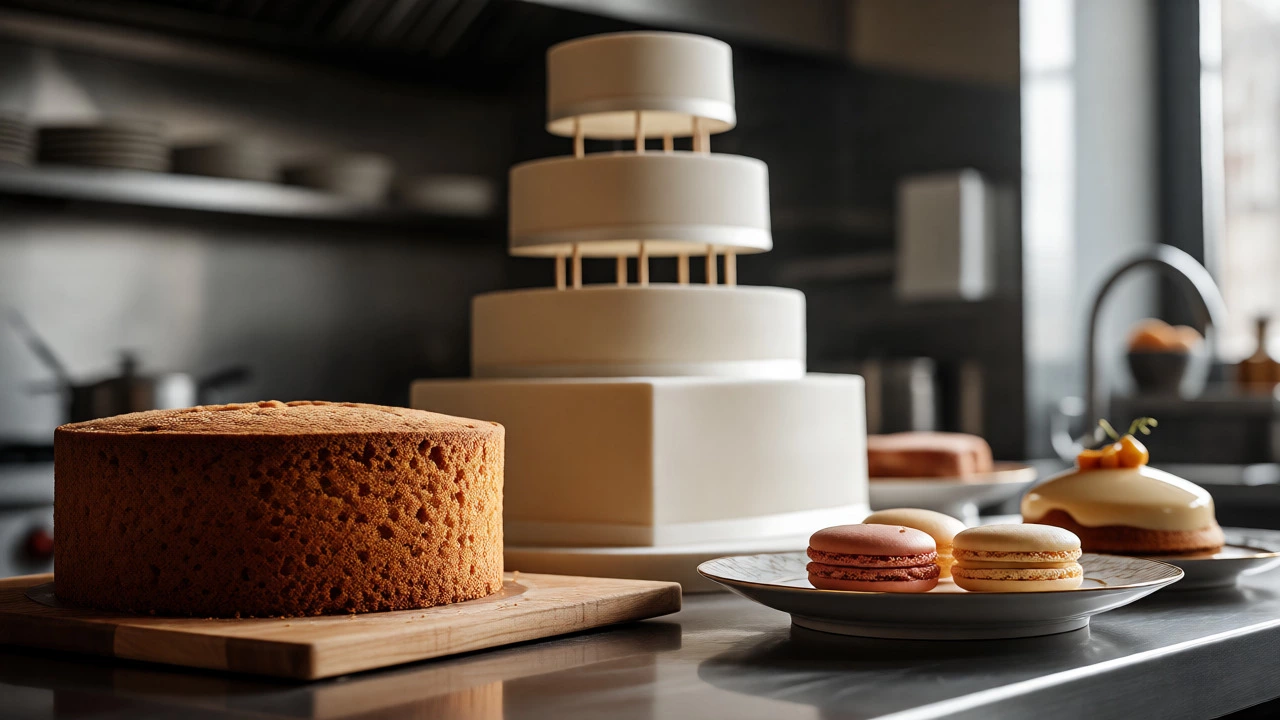
A Baker is a skilled artisan who specializes in producing breads, pastries, and basic cakes using traditional methods. Bakers often work in local shops or home-based businesses. They excel at flavor and texture-think perfect sponge, moist banana bread, or classic Victoria sponges. However, a general baker might not have the specialized training required for intricate sugar artistry or structural stability needed for tall wedding tiers.
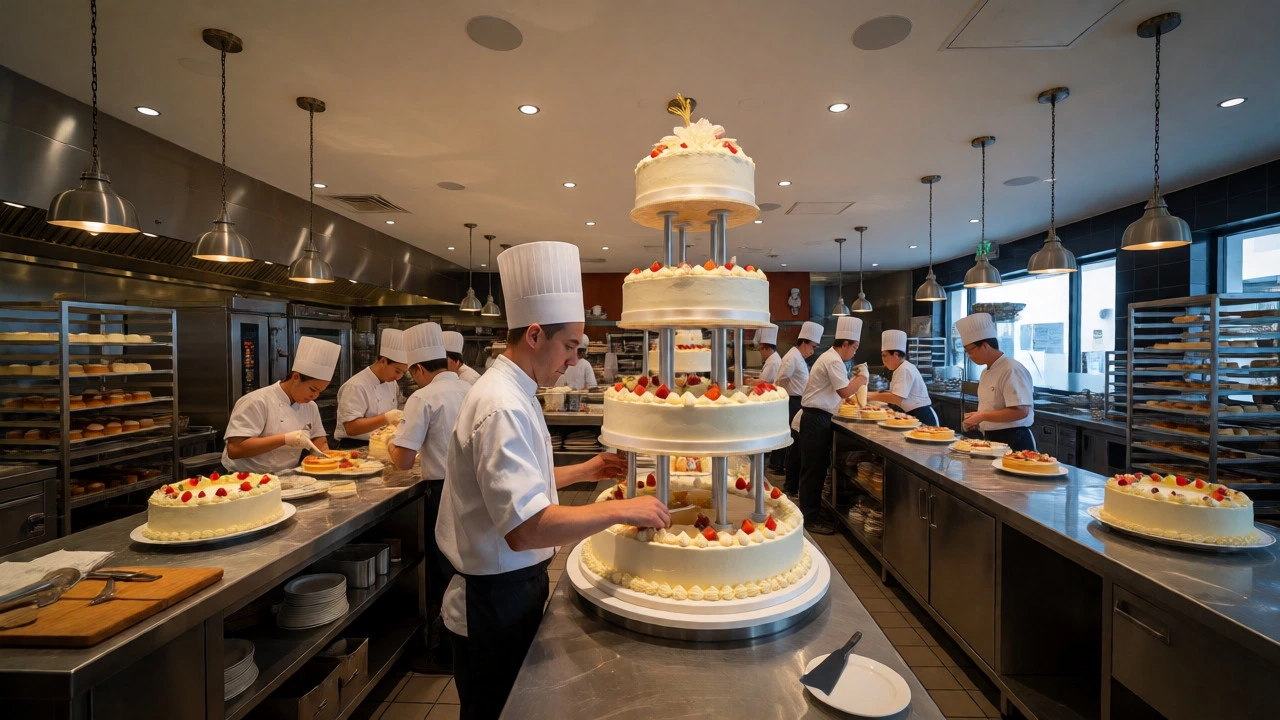
A Pastry Chef is a senior culinary professional responsible for all sweet dishes in a restaurant or hotel kitchen. In many countries, including New Zealand and Australia, this is the most common title for someone running a high-end cake business. A pastry chef has undergone rigorous training (often through TAFE or university culinary arts degrees) covering food safety, cost control, and advanced techniques. They can handle large-scale production and complex flavor profiles.
Then there is the Pâtissier, which is the French term for a specialist in pastries and desserts, often implying classical European training. While "pastry chef" is the job title in English-speaking kitchens, "pâtissier" signals a deep commitment to classical French techniques. If you see this on a business card, expect precision. Pâtissiers often focus on delicate elements like macarons, éclairs, and entremets, though many also create elaborate wedding cakes. The distinction is subtle but important: a pâtissier emphasizes technique and tradition, while a pastry chef might emphasize creativity and modern trends.
Why Titles Matter When Booking Your Wedding Cake
You might wonder if the title really changes anything. Does it matter if they call themselves a "cake artist" or a "chef"? Actually, yes. These titles signal different skill sets and liability standards.
When you hire a professional cake maker for a wedding, you aren't just buying cake; you're buying insurance against collapse. A qualified pastry chef understands the physics of stacking tiers. They know about dowel rods, board thickness, and humidity effects on buttercream. A hobbyist baker, even a talented one, might lack this structural knowledge. If your cake is four feet tall, you need someone who treats it as an architectural project, not just a dessert.
Furthermore, titles often correlate with health and safety compliance. In Auckland, for example, commercial kitchens require strict adherence to Food Act 2014 regulations. A registered pastry chef working from a licensed commercial kitchen carries public liability insurance. A home baker might operate under different, less stringent rules. If your wedding venue requires proof of insurance or a food safety certificate, a titled professional will have these documents ready without hesitation.
Specialized Roles: Sugar Artists and Decorators
Beyond the main bakers, you’ll encounter specialists who focus solely on the visual aspect of the cake. This is where things get artistic-and sometimes controversial among purists.
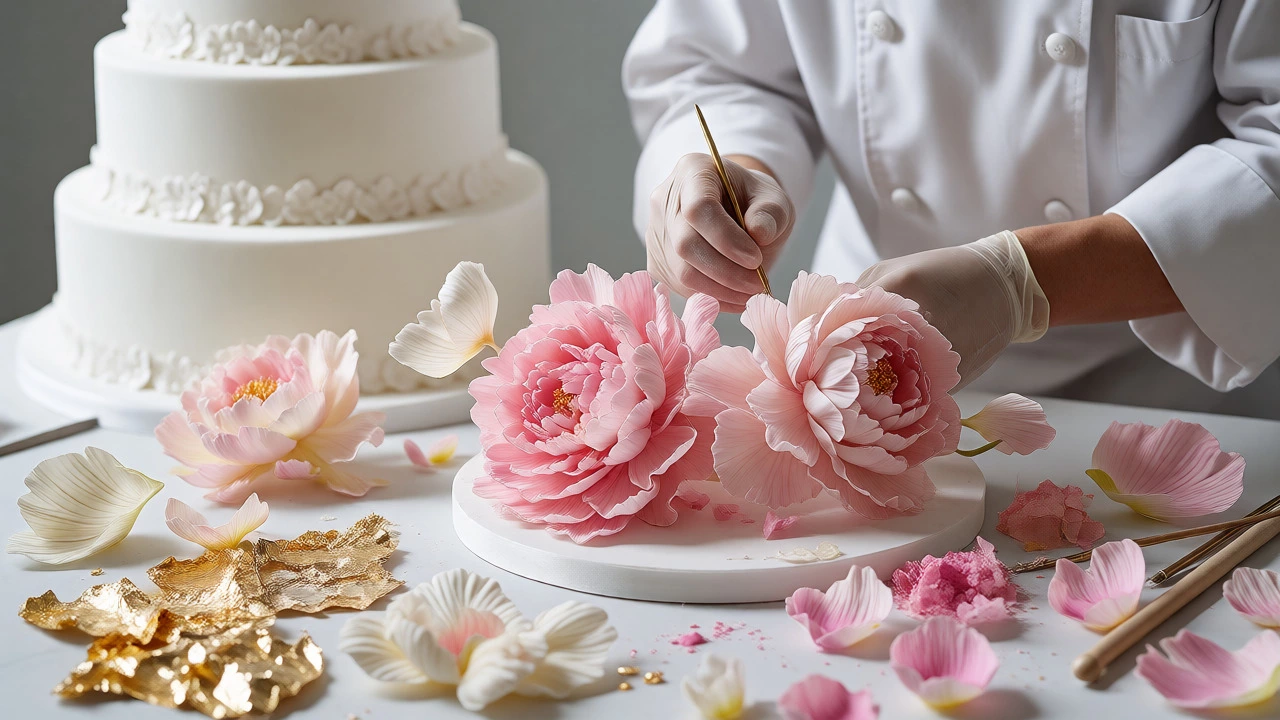
A Sugar Artist is a specialist who creates decorative elements using sugar, gum paste, and chocolate. They might not bake the cake itself. Instead, they sculpt flowers, figurines, or intricate lace patterns. Many wedding cakes are collaborations: one team bakes the sponge and fills it, while another team applies the exterior decoration. If you want hyper-realistic peonies or edible gold leaf details, you’re likely dealing with a sugar artist.
Similarly, a Cake Decorator focuses on the aesthetic finishing of baked goods, specializing in icing, piping, and garnishing. This role is more accessible than becoming a full pastry chef. Decorators can be incredibly creative, turning simple vanilla sponges into stunning centerpieces. However, check if they bake the cake themselves. Some decorators buy pre-made sponges from wholesale suppliers. If taste is your priority, ensure your decorator sources fresh, high-quality ingredients rather than mass-produced bases.
How to Verify Their Credentials
Talking to potential vendors can feel like navigating a minefield of buzzwords. Here is a practical checklist to determine if their title matches their actual capability.
- Ask about their training: Did they complete a formal apprenticeship? Do they hold a diploma in Hospitality (Cooking) or Patisserie? In New Zealand, look for qualifications from institutions like Ara Institute of Canterbury or Otago Polytechnic.
- Request a tasting menu: A true professional offers a range of flavors. If they only offer three options, they might be a small operation with limited inventory. A pastry chef will discuss ingredient sourcing-where their vanilla comes from, whether they use real fruit purees versus artificial flavorings.
- Check their portfolio for variety: Can they make both naked cakes and fully covered fondant cakes? Versatility indicates broad technical skill. A specialist might refuse certain requests because they don’t align with their style, which is fine, but know your limits.
- Inquire about delivery logistics: Who transports the cake? A professional cake maker usually delivers personally or hires specialized couriers. They should provide a contract detailing setup times and breakage policies.
Common Misconceptions About Cake Professionals
Let’s clear up some myths that confuse couples during the booking process.
Misconception 1: All pastry chefs make wedding cakes. Not necessarily. Many pastry chefs work exclusively in restaurants, focusing on plated desserts like crème brûlée or chocolate soufflés. Plating skills do not automatically translate to stacking tiered cakes. Always ask specifically about their wedding experience.
Misconception 2: "Artisan" means handmade. Marketing teams love the word "artisan," but it doesn’t guarantee everything was made from scratch. Some artisans use semi-finished products (like frozen croissant dough or pre-made ganache). Ask directly: "Do you bake the sponges and make the fillings in-house?"
Misconception 3: Higher title equals higher price. Sometimes, a talented home-based baker charges less than a hotel pastry chef simply because they have lower overheads. Don’t dismiss smaller operations based on title alone. Look at reviews, photos, and taste tests instead.
Regional Differences: NZ vs. Global Terminology
If you’re reading blogs from the US or UK, you might notice different terms. In the United States, "Bakery Owner" or "Cake Designer" are common. The term "Patissier" is rare outside high-end French restaurants. In the UK, "Confectioner" is still used, though it often refers to candy makers rather than cake builders.
In New Zealand and Australia, the influence of British culinary traditions remains strong, but local training programs have standardized the term "Pastry Chef." If you’re hiring locally in Auckland, searching for "Auckland Pastry Chef" yields better results than "Cake Artist," which might bring up hobbyists selling on Instagram. Use industry-specific keywords when searching to filter out non-commercial sellers.
| Title | Primary Focus | Typical Training | Best For |
|---|---|---|---|
| Baker | Bread, basic cakes, flavor | Apprenticeship or self-taught | Rustic weddings, casual events |
| Pastry Chef | Full dessert service, structure, management | Diploma/Degree in Culinary Arts | Complex tiered cakes, large scale |
| Pâtissier | Classical techniques, delicate pastries | French-style apprenticeship | Fine dining, intricate designs |
| Sugar Artist | Decoration, sculpture | Specialized workshops/courses | Visual impact, custom toppers |
Final Thoughts on Hiring the Right Person
Don’t let the jargon intimidate you. Whether they call themselves a pâtissier, a chef, or just "Sarah from Sarah’s Sweet Shop," your goal is to find someone who understands your vision and can execute it safely. Focus on their portfolio, their willingness to communicate, and their professionalism during the consultation. The title on the door matters less than the quality of the slice you put in your mouth.
Is a pastry chef the same as a baker?
No. A baker primarily produces breads and basic cakes, often focusing on volume and traditional recipes. A pastry chef has advanced culinary training, manages kitchen operations, and specializes in complex desserts, structural integrity, and fine dining presentation. While bakers can make great cakes, pastry chefs are typically better equipped for intricate wedding designs.
What does 'Pâtissier' mean?
Pâtissier is the French word for a pastry chef. It implies expertise in classical French pastry techniques, such as laminated doughs, custards, and delicate decorations. Using this title often signals a commitment to traditional European standards and high-precision craftsmanship.
Do I need a specialist for my wedding cake?
For simple, small cakes, a skilled baker is sufficient. However, for multi-tiered structures, heavy decorations, or tight delivery schedules, a professional pastry chef or specialized cake designer is recommended. They possess the technical knowledge to prevent structural failures and ensure food safety compliance.
Why do some cake makers charge more than others?
Price differences reflect labor hours, ingredient quality, overhead costs (commercial kitchen rent vs. home), and complexity. A pastry chef charging more likely includes detailed consultations, custom flavor development, premium ingredients (real vanilla, high-fat butter), and comprehensive insurance coverage.
Can I hire a sugar artist separately?
Yes, many couples hire a baker for the cake structure and a separate sugar artist for the decorations. This allows for highly customized visuals. Ensure both parties coordinate closely regarding timeline and handling instructions to avoid damage during assembly.