Wedding Date Savings Calculator
Estimate your potential savings by choosing an off-season month and non-Saturday day for your wedding.
You’ve seen the Instagram posts. You’ve scrolled through the Pinterest boards. The dream is a lush, sun-drenched ceremony with cascading flowers and perfect lighting. But then you look at your bank account, and that dream starts to feel like a financial nightmare. Here’s the hard truth: timing isn’t just about romance; it’s about economics. If you want to keep more money in your pocket for your honeymoon-or your down payment-the calendar is your most powerful tool.
The short answer? January is statistically the cheapest month to get married in the United States. February follows closely behind. These months sit squarely in the "off-season" for weddings, meaning venues are desperate for bookings, vendors have open slots, and prices drop significantly compared to the peak summer months. But it’s not just about picking a random cold day. It’s about understanding how the wedding industry prices its services based on demand, weather, and tradition.
Understanding the Wedding Season Curve
To save money, you first need to understand why some months cost more than others. The wedding industry operates on a supply-and-demand model that peaks during late spring and early fall. This period, roughly from May to October, is known as "wedding season." During these months, the weather is predictable, schools are out or winding down (allowing grandparents to attend without missing school), and the aesthetic is universally appealing.
Venues know this. They price their Friday and Saturday dates in July and August at a premium because they know they can fill them easily. Vendors-photographers, florists, caterers-also raise their rates during this time because they are booked solid. When you book outside this window, you aren’t just avoiding bad weather; you’re avoiding the markup.
Conversely, the "off-season" runs from November through April. In many parts of the country, this means snow, rain, or freezing temperatures. Venues struggle to fill these dates. To avoid empty rooms and lost revenue, they offer discounts. Some might waive rental fees entirely if you spend a certain amount on catering. Others might offer significant percentage discounts on their base rate. This is where the real savings happen.
The Top Three Cheapest Months Breakdown
While every region has its own micro-climate and market dynamics, national data consistently points to three specific months as the most budget-friendly options.
| Month | Demand Level | Potential Savings | Key Considerations |
|---|---|---|---|
| January | Very Low | 15-30% | Cold weather, post-holiday fatigue, but often clear skies in southern states. |
| February | Low | 10-25% | Valentine’s Day creates a mini-spike in mid-February, so aim for early or late Feb. |
| November | Low-Medium | 10-20% | Thanksgiving week is expensive, but the rest of the month offers great deals before the holiday rush. |
January is the absolute lowest demand month for weddings in most regions. People are recovering from the holidays, budgets are tight, and the weather is often less than ideal for outdoor ceremonies. This makes January the sweet spot for negotiation. Venues are often willing to work with you on packages because any booking is better than none.
February is a close second, offering romantic vibes with lower costs. However, be careful around Valentine’s Day. While the rest of the month is cheap, the weekend surrounding February 14th can see a slight uptick in pricing due to couples wanting to celebrate love. Aim for the first or last weekend of February to maximize savings.
November is a strategic choice for those who want autumn aesthetics without the September price tag. Early November is still crisp and beautiful, especially in northern climates. By late November, you’re competing with Thanksgiving travel, which can actually drive up hotel costs for guests, so weigh that factor carefully.
Why Summer Costs More Than You Think
If you’re set on a summer wedding, you need to know what you’re paying for. June, August, and September are the most expensive months. Why? Because everyone wants them. The risk of rain is lower, the days are longer, and the vibe is festive. But that convenience comes at a steep price.
In peak season, you’re not just paying for the venue. You’re paying for the scarcity of vendors. Good photographers get booked 12-18 months in advance. Florists charge more for popular blooms like peonies, which are in season but high demand. Caterers may require higher minimum food and beverage spends because they know they can sell out. If you book a Saturday in July, you’re likely paying 20-40% more than you would for the same venue in January.
Additionally, summer weddings often require more spending on comfort amenities. You’ll need fans, misting stations, shade structures, and possibly air-conditioned tents. These aren’t optional luxuries; they’re necessities for guest comfort. In an off-season wedding, you might save thousands just by not needing to rent a heated tent or buy extra heaters.
Day-of-Week Discounts: The Hidden Savings Hack
Here’s a secret that many couples miss: the day of the week matters almost as much as the month. Even in the cheapest months, Saturdays command a premium. Why? Because it’s convenient for guests. Most people don’t want to take a day off work to attend a Friday or Sunday wedding.
But here’s the thing: most guests *will* show up if you ask nicely. And if you can convince even half of your guest list to attend on a Friday or Sunday, you can unlock massive discounts. Many venues offer 20-50% off for non-Saturday weddings. Some even offer free upgrades, like a complimentary cake cutting service or extended reception hours.
Consider a Friday evening cocktail hour followed by dinner, or a Sunday brunch wedding. These formats are naturally cheaper. Brunch menus cost less than dinner menus. Alcohol sales are often lower on Sundays due to local laws or guest behavior. Combine a Sunday wedding in January, and you’re looking at the lowest possible price point for your big day.
Regional Differences: Where Weather Changes the Math
The "cheapest month" rule isn’t universal. It depends heavily on where you live. In Florida, California, or Texas, January might not be as cheap because the weather is still pleasant. In these warmer climates, the off-season might shift to the hurricane season (August-October) or the rainy season. Conversely, in Minnesota or New York, January is brutally cold, making it incredibly cheap. But in Miami, January is prime vacation weather, so prices remain high.
If you’re getting married in a warm climate, consider the shoulder seasons. April and October might be your best bets for savings. In colder climates, stick to January and February. Always research local trends. Talk to two or three venues in your area and ask directly: "Which months do you offer discounts for?" Their answers will vary based on local demand.
Negotiating Like a Pro: How to Secure the Best Deal
Finding the cheapest month is only step one. Step two is knowing how to negotiate. Vendors expect some level of haggling, especially in the off-season. Don’t be afraid to ask for a discount. Frame it positively: "We love your space, and we’re flexible on date. Do you have any availability in January or February where you might offer a reduced rate?"
Look for package deals. Some venues bundle catering, bar service, and rentals together. In the off-season, they might throw in extras like a bridal suite, sound system, or chair covers for free. These add-ons can save you hundreds or even thousands of dollars. Also, consider all-inclusive venues. While they seem expensive upfront, they often prevent hidden costs that creep up with separate vendors.
Finally, think about your guest experience. If you choose a very cold or inclement weather month, make sure you have a plan. Provide coat checks, serve warm drinks, and ensure the venue is heated. A comfortable guest is a happy guest, and a happy guest is more likely to give you a generous gift. Don’t let the savings compromise the experience.
Balancing Budget and Beauty: Making Off-Season Work
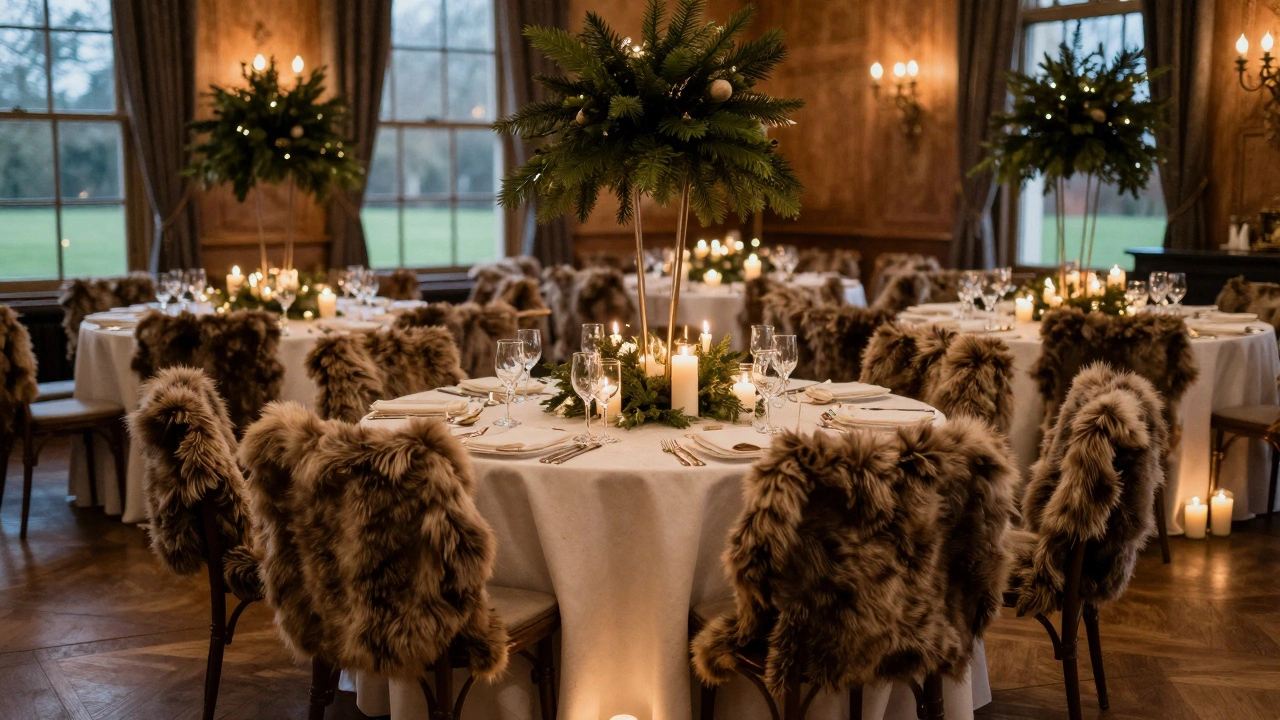
One concern couples have is that off-season weddings look "sad" or "bleak." This is a myth. With the right decor, you can create a stunning atmosphere in any month. January weddings can be cozy and elegant. Think fur throws, candlelight, rich jewel tones, and evergreen foliage. February weddings can be romantic and intimate. Use reds, pinks, and whites to lean into the Valentine’s vibe without the cost. November weddings can be rustic and warm. Use pumpkins, gourds, and deep oranges to capture the autumn spirit.
Flowers are another area where you can save. In-season flowers are cheaper and fresher. In January, roses, carnations, and chrysanthemums are abundant. Peonies are not. Choose flowers that are in bloom during your wedding month. Not only will they cost less, but they’ll also look better and last longer. Talk to your florist about seasonal alternatives. They’ll appreciate your flexibility and pass the savings on to you.
Is January really the cheapest month to get married everywhere?
In most of the United States, yes. January sees the lowest demand due to cold weather and post-holiday budget constraints. However, in warm climates like Florida or Arizona, January is peak tourist season, so prices may remain high. Always check local market conditions.
How much can I save by getting married in the off-season?
You can typically save 15-30% on venue costs alone. When combined with vendor discounts and reduced need for climate control equipment, total savings can range from $5,000 to $15,000 or more, depending on the size and location of your wedding.
Are there any downsides to an off-season wedding?
The main downside is weather. Cold, rain, or snow can impact guest attendance and comfort. You’ll need a solid indoor backup plan and possibly additional heating or transportation arrangements. Additionally, some family members may have holiday conflicts in December or January.
Does the day of the week affect wedding costs?
Yes, significantly. Fridays and Sundays are often 20-50% cheaper than Saturdays. Many venues offer substantial discounts for non-Saturday weddings because they have more availability and less competition from other events.
Can I negotiate with vendors for an off-season wedding?
Absolutely. Vendors are more flexible during slow months. Ask for package deals, free add-ons, or reduced rates. Be polite but direct. Mention that you’re choosing them specifically because of their quality, and you’re hoping to work within a budget by selecting an off-season date.