
Wedding Photography Value Calculator
Experience Level
Pricing driven by years of repetition and instinct.
Equipment Redundancy
Insurance against data loss via duplicate gear.
Post-Production Labor
20-40 hours of editing raw files into final images.
Calculate Your Estimated Cost
Estimated Total Investment
Imagine this: You’re scrolling through your wedding photos three years later. Your eyes land on that candid shot of your grandmother laughing during the first dance. Or the golden-hour portrait where you and your partner are just staring at each other, completely lost in the moment. Now imagine those same moments captured by someone who was distracted, underexposed the images, or missed them entirely because they were rushing to get to the next venue. That’s the real stakes behind the question: Is an expensive wedding photographer worth it?
The short answer is yes, but only if you understand what you’re actually paying for. It isn’t just about having a fancy camera. It’s about insurance against regret. When you look at price tags ranging from $3,000 to $15,000+, it’s easy to feel sticker shock. But breaking down the components reveals why top-tier professionals charge premium rates-and when you might be safe saving money.
What Drives Up the Price Tag?
When a photographer quotes you $8,000 instead of $2,500, they aren’t charging extra for their personality (though that helps). They are charging for experience, equipment redundancy, and post-production labor. Let’s look at the specific entities that inflate the cost.
Experience Level is the primary driver of pricing in wedding photography. A seasoned professional has likely shot hundreds of weddings. They know how to handle low-light receptions without using harsh flash. They anticipate moments before they happen. An amateur might wait for you to say "cheese"; a pro captures the tear in your father’s eye as he hands you over. This instinct cannot be taught in a weekend workshop; it comes from years of repetition.
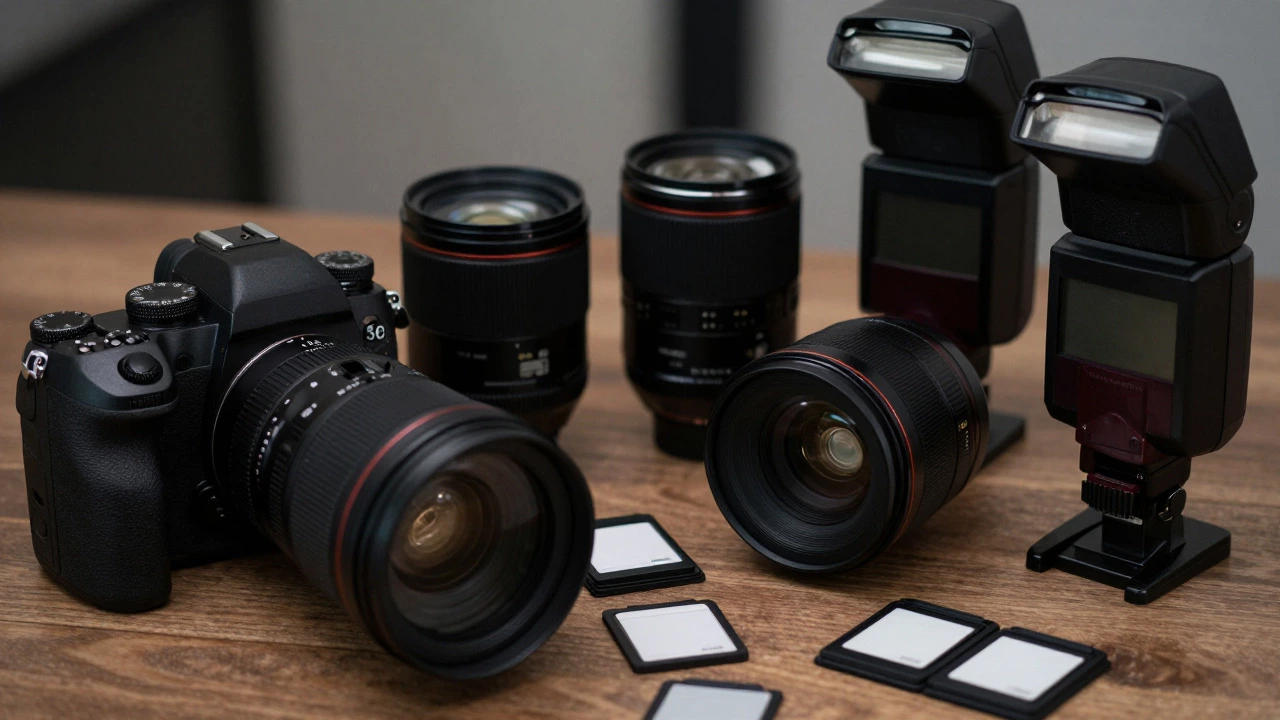
Then there is Equipment Redundancy, which is the practice of carrying duplicate gear to prevent data loss. Pros don’t just carry one camera body. They carry two bodies, four lenses, multiple flashes, and backup memory cards. If one camera fails mid-ceremony, they switch instantly. No one notices. If you hire a cheaper option with minimal gear, a single mechanical failure could mean missing your entire reception. The cost of high-end mirrorless cameras and prime lenses adds up quickly, and pros factor depreciation into their rates.
Finally, consider Post-Production Labor, which is the time spent editing raw files into final images. A typical wedding generates 2,000 to 4,000 raw images. Editing these takes anywhere from 20 to 40 hours. This includes color correction, skin retouching, cropping, and culling. Cheap photographers often deliver unedited JPEGs or use automated presets that make everyone look orange. Expensive photographers spend weeks ensuring every image looks consistent and polished.
| Feature | Budget Photographer ($1,500 - $3,000) | Premium Photographer ($6,000 - $15,000+) |
|---|---|---|
| Experience | 0-2 years, building portfolio | 5+ years, specialized in weddings |
| Gear Backup | Single body, limited lenses | Dual bodies, redundant flashes/cards |
| Editing Style | Basic exposure fixes, auto-presets | Custom color grading, detailed retouching |
| Contract & Insurance | Often informal, no liability insurance | Formal contract, full liability coverage |
| Delivery Time | Variable, often delayed | Consistent timeline (4-8 weeks) |
The Risk of Cutting Corners
Why do couples choose the cheaper option? Usually, it’s to save money for the venue or catering. But here’s the hard truth: You can replace a bad meal. You can’t replace a missing memory. The risk with lower-priced photographers isn’t just poor quality; it’s unreliability.
Cheaper photographers are often juggling multiple jobs or are still learning the business. This leads to higher turnover and less accountability. If something goes wrong-like a missed ceremony or corrupted files-you have little recourse. Premium photographers carry Liability Insurance, which is coverage that protects clients if the photographer fails to deliver. Many venues now require vendors to have this insurance. If your cheap photographer doesn’t have it, your venue might kick them out. That’s a disaster scenario you want to avoid.
There’s also the issue of style consistency. A pro has a defined aesthetic. If you like moody, cinematic shots, they will deliver that consistently across all lighting conditions. An amateur might take great photos in bright sunlight but struggle in a dimly lit church, resulting in grainy, unusable images. You’re paying for the ability to predict the outcome.
When Is It Safe to Spend Less?
Not every couple needs a $10,000 photographer. There are scenarios where spending less makes sense. For example, if you are having a micro-wedding with fewer than 20 guests, the pressure on the photographer is lower. They can focus more on portraits and less on crowd control.
You might also consider a second shooter who works independently rather than as part of a team. Some experienced shooters offer half-day packages for elopements or courthouse ceremonies. These packages often cost between $1,500 and $2,500 and provide high-quality coverage for shorter events. The key is to vet their portfolio thoroughly. Look for variety in lighting and candid moments, not just posed group shots.
Another option is hiring a documentary-style photographer who focuses on storytelling rather than heavy retouching. These photographers often charge less because they spend less time editing. However, ensure their natural light skills are solid, as they rely heavily on available light.
How to Negotiate Without Sacrificing Quality
If you love a premium photographer but their rate is out of reach, don’t just walk away. Try these strategies:
- Reduce Coverage Hours: Instead of 10 hours, book 6. Cover the getting-ready, ceremony, and cocktail hour, but skip the late-night party. This can save you 20-30%.
- Skip the Engagement Session: Many photographers bundle engagement shoots into their packages. Waiving this requirement can lower the total cost.
- Off-Peak Dates: Photographers are in high demand on Saturdays in peak season (May-October). Booking a Friday, Sunday, or winter wedding can sometimes yield discounts.
- Prints Over Digital: Some photographers offer lower digital rights fees if you commit to buying physical albums or prints. If you prefer wall art, this trade-off might work in your favor.
Red Flags to Watch For
Regardless of price, certain signs indicate trouble. Avoid photographers who:
- Don’t have a clear contract outlining deliverables and cancellation policies.
- Refuse to show you full galleries from real weddings (not just curated highlights).
- Lack social media presence or recent reviews.
- Ask for large upfront deposits without a signed agreement.
Always check their online presence. Look for Google Reviews or testimonials on platforms like The Knot or WeddingWire. Pay attention to comments about professionalism and timeliness, not just photo quality.
Final Thoughts on Value
Deciding whether an expensive wedding photographer is worth it comes down to prioritizing memories over immediate savings. Photos are the only tangible piece of your wedding day that lasts decades. While food tastes good for a night and flowers wilt in days, your images remain. Investing in a professional ensures those memories are preserved beautifully, reliably, and emotionally.
If your budget allows, aim for the middle-to-upper range. You’ll get better service, safer data handling, and superior artistic direction. If you’re tight on funds, look for emerging talent with strong portfolios or reduce coverage hours. Never compromise on reliability or contract clarity. Your future self will thank you when you flip through those albums years from now.
How much should I budget for a wedding photographer?
The national average for wedding photography ranges from $2,000 to $4,000. However, in major metropolitan areas or for highly sought-after artists, prices can exceed $8,000. Aim to allocate 10-15% of your total wedding budget to photography to ensure quality coverage.
Do I need a second shooter?
A second shooter is recommended for weddings with over 100 guests or complex timelines. They capture different angles simultaneously, such as the bride getting ready while the groom prepares elsewhere. This ensures no moment is missed and provides dynamic coverage during the reception.
What happens if my photographer gets sick?
Reputable photographers have a network of trusted associates who can step in if an emergency arises. Check their contract to see if they include a backup clause. Cheaper photographers may not have this safety net, leaving you stranded on your big day.
How long does it take to receive photos?
Most professional photographers deliver full galleries within 4 to 8 weeks. Some offer sneak peeks within 48 hours. Delayed delivery beyond 12 weeks is a red flag unless agreed upon in advance due to holiday seasons.
Can I hire a friend or family member to save money?
It’s generally risky. Even if they have a nice camera, they lack professional experience in handling stress, lighting challenges, and posing groups. Plus, mixing family dynamics with vendor responsibilities can create awkwardness. Stick to professionals for critical moments.