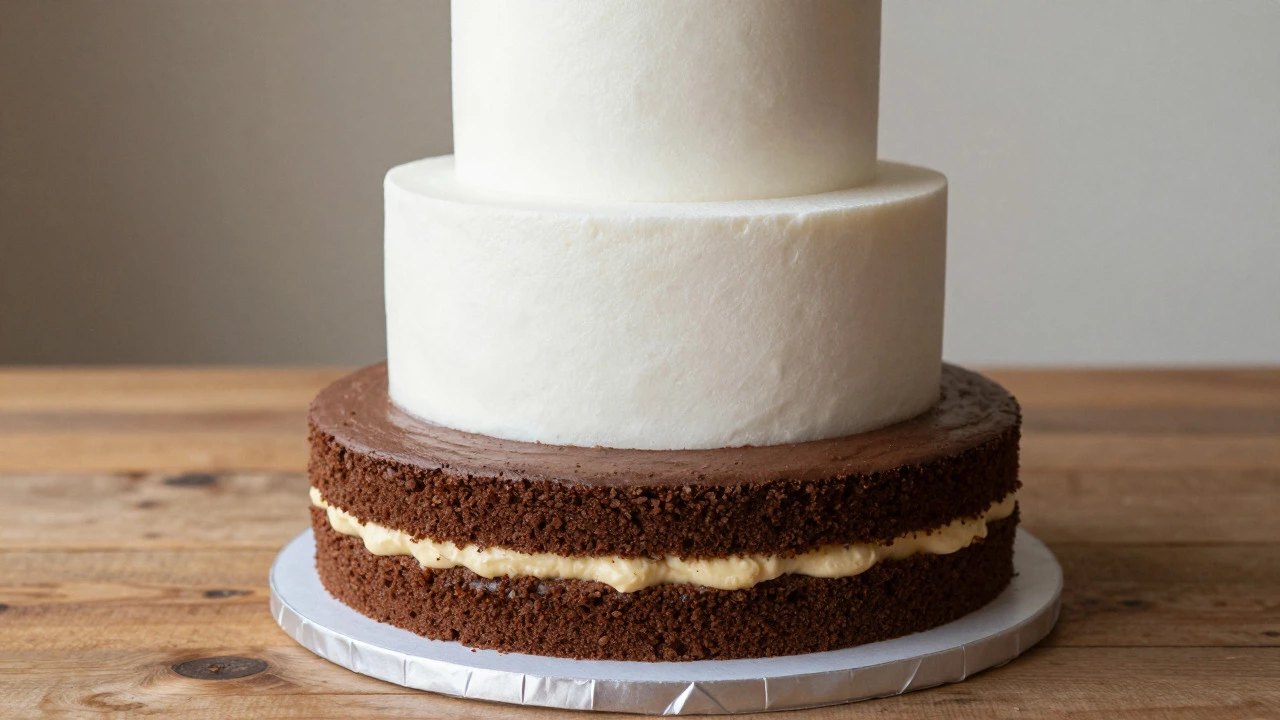
Wedding Cake Cost Savings Calculator
Picture this: you’re scrolling through Pinterest, and there it is-the perfect three-tier masterpiece with cascading sugar flowers. Then you see the quote from your baker: $2,500. Suddenly, that dream cake feels like a financial nightmare. You aren’t alone. In 2026, the average cost of a wedding cake ranges between $500 and $1,500, but many couples are seeing quotes double that amount. The good news? You don’t have to choose between breaking the bank and eating dry sponge.
Saving money on your wedding cake isn’t about settling for less; it’s about being strategic. By tweaking the design, rethinking the serving method, and timing your order correctly, you can cut costs by 30% to 50% while still delivering a stunning centerpiece and delicious dessert for your guests.
Rethink the Structure: Fake Tiers Are Your Best Friend
The biggest driver of wedding cake prices is structure. Real cake tiers require structural supports, more frosting, and significantly more labor to stack safely. Here is the industry secret: nobody notices if the top two tiers are dummy cakes made of styrofoam or plastic.
| Structure Type | Description | Estimated Cost Savings |
|---|---|---|
| All-Real Tiers | Every layer is edible cake and filling. | $0 (Baseline) |
| Hybrid (Fake Top Tiers) | Bottom tier is real; upper tiers are decorative dummies. | 30% - 40% |
| Sheet Cake + Display Cake | Small decorative cake for cutting; sheet cakes in back for serving. | 40% - 60% |
By using a hybrid approach, you keep the visual impact of a tall, dramatic cake but only pay for enough actual cake to feed your guests. Most bakers charge per slice, so reducing the number of real slices directly lowers the price. If you want a four-tier look but only need to feed 100 people, make the bottom two tiers real and the top two fake. It looks identical in photos, but your wallet will thank you later.
Choose Flavor Over Fancy Decoration
When you taste test, focus on the flavor profile rather than the piping skills. Intricate buttercream roses, hand-painted gold leaf, and complex fondant sculptures add hours of labor. Labor is expensive. A simple, elegant design often costs less and tastes better because the baker spends time perfecting the recipe, not sculpting icing.
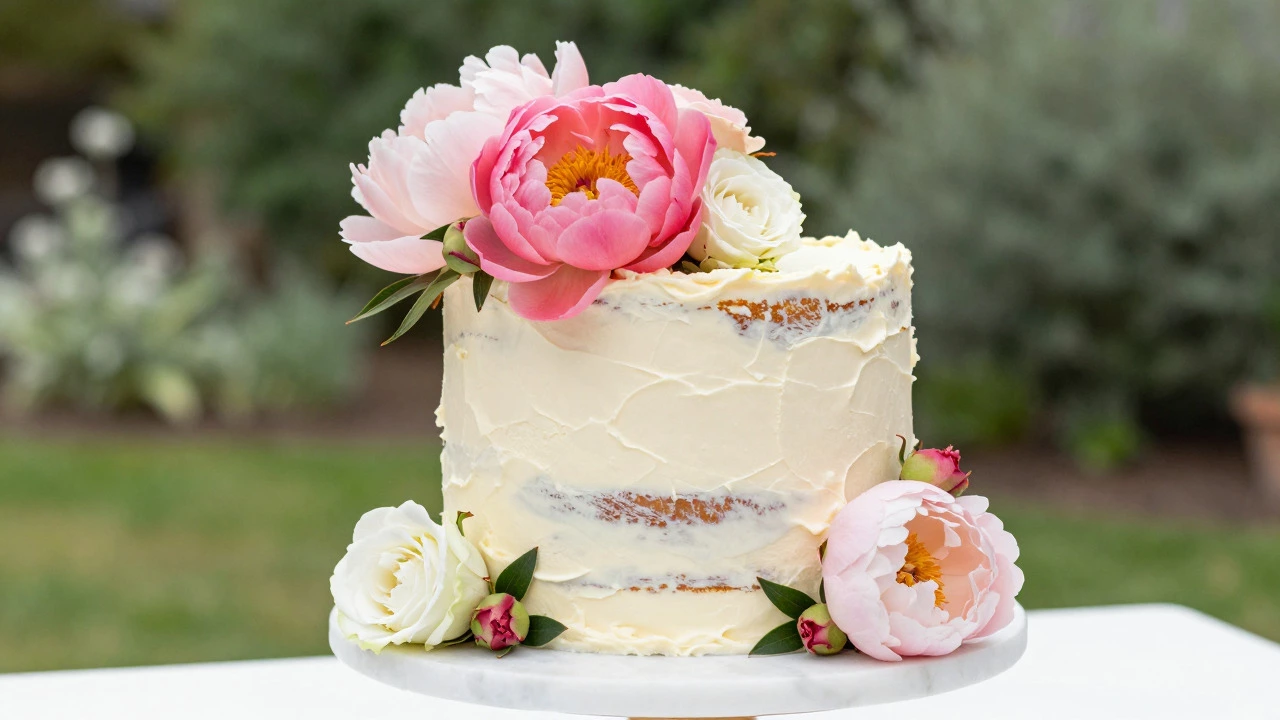
- Opt for Buttercream over Fondant: While fondant provides a smooth canvas for intricate designs, it requires significant skill to apply without air bubbles or tears. Many modern couples prefer rustic buttercream or semi-naked cakes. These styles are faster to execute and often use fewer ingredients, lowering the cost.
- Skip the Edible Flowers: Sugar flowers are beautiful but time-consuming. Instead, ask your florist for fresh, non-toxic blooms that can be removed before serving. Fresh flowers are often cheaper than custom sugar art and add a vibrant, natural touch.
- Limit Custom Colors: Standard white, ivory, or black chocolate are easy for bakers to produce. If you want pastel pink or deep navy, the baker has to mix food coloring carefully, which adds time. Stick to neutral tones or let the venue decor provide the color pop.
The Sheet Cake Strategy
If your budget is tight, consider separating the "ceremonial" cake from the "feeding" cake. Order a small, beautiful one- or two-tier cake just for the photo op and the ceremonial cutting. Then, order plain sheet cakes from a local bakery or even a grocery store to serve in the catering area.
This strategy works best if you don’t mind moving away from the traditional "cake table" presentation. You can place the sheet cakes behind a curtain or in a side room. Guests rarely care where the cake comes from as long as it’s moist and sweet. This method can slash your dessert bill by half, allowing you to splurge on a high-end artisanal cake for the photos without paying premium prices for every slice.
Timing and Seasonality Matter
Just like flights and hotels, wedding cakes have peak seasons. Saturday weddings in May, June, September, and October are the most expensive. If your date is flexible, booking a Friday, Sunday, or weekday wedding can result in significant discounts. Bakers often have open slots during these times and may offer lower rates to fill their calendar.
Additionally, book early. Last-minute bookings often incur rush fees. If you are planning well in advance (12+ months), you might negotiate a better rate. Conversely, if you are looking for a last-minute deal, call bakers who specialize in corporate events or birthdays-they may have smaller teams available to handle a wedding at a reduced rate.
Alternative Desserts That Impress
If you’re open to thinking outside the box, consider skipping the traditional cake entirely. A dessert bar or alternative sweets can be more interactive, fun, and cost-effective.
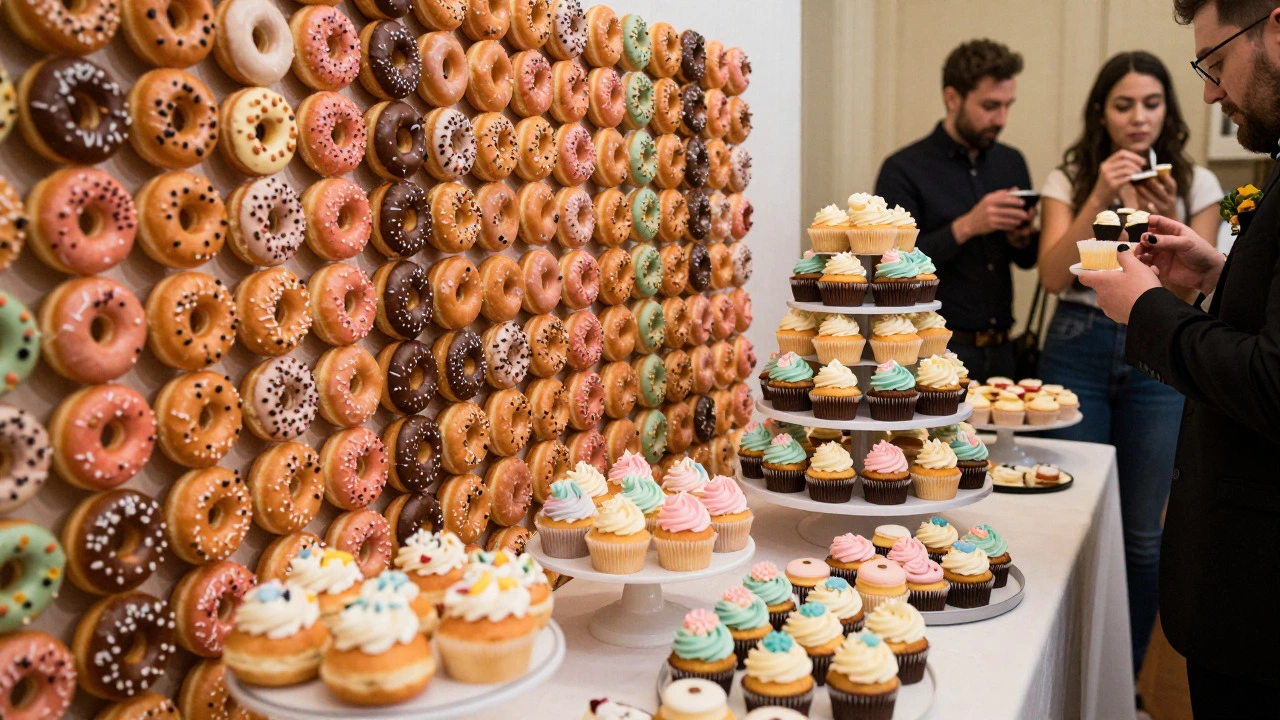
- Cupcake Towers: Cupcakes require less frosting and no structural support. They are individually portioned, reducing waste. A tower of cupcakes looks festive and allows guests to grab-and-go.
- Donut Walls: Donuts are inexpensive to buy in bulk or bake yourself. A colorful wall of donuts makes for an incredible photo backdrop and is often cheaper per person than a tiered cake.
- Pie Bars: Individual mini-pies are trendy and rustic. They pair well with coffee bars and feel cozy and intimate. Pies generally cost less to produce than elaborate cakes because they require less precise baking techniques.
- Brownie or Cookie Buffets: Simple, homemade-style treats can be sourced from local community centers or baked by talented friends and family, drastically cutting costs.
Negotiate and Ask Questions
Don’t be afraid to ask for a breakdown of costs. Some bakers include delivery, setup, and cake server rental in their price; others charge extra. Clarify what is included upfront. If delivery is a separate fee, see if you can pick up the cake yourself if you have a reliable vehicle and help carrying it.
Also, ask about leftover cake. Some bakers charge for a "box-up" service, while others include it. Knowing this ahead of time prevents surprise fees. Finally, check if the baker offers a discount for paying in full upfront. Cash flow is important for small businesses, and a lump sum payment might earn you a 5-10% discount.
Is it okay to bring my own cake to a venue?
It depends on the venue. Many venues have exclusive vendor lists or charge a "corkage" style fee for outside food. Always check your contract. If allowed, ensure the venue provides refrigeration and a stable surface for setup. Some venues may allow outside cakes but charge a small per-person fee for liability insurance.
Can I bake my own wedding cake?
Yes, if you are skilled and have the equipment. However, consider the stress level. Baking a multi-tier cake requires precision. If you choose this route, practice multiple times beforehand. Also, check local health regulations if you’re serving a large crowd, though most private weddings are exempt from commercial licensing requirements.
What is the cheapest type of wedding cake flavor?
Vanilla and chocolate are typically the most affordable because the ingredients are standard and widely available. Specialty flavors like red velvet, carrot cake, or almond mocha may cost more due to additional ingredients or complex preparation methods. Stick to classic flavors to keep costs down.
Do I need a tasting session?
Tastings are usually recommended but not mandatory. Many bakers charge for tastings ($20-$50), which can be credited toward your final order. If budget is tight, ask if they offer free sample boxes or if you can taste during a public open house event. Alternatively, read reviews to gauge consistency before committing.
How far in advance should I order my cake?
Ideally, 6 to 12 months in advance. Popular bakers book up quickly, especially for peak season dates. Ordering early gives you more choice and leverage for negotiation. Last-minute orders (less than 3 months) may result in higher prices or limited flavor options.