
Mother of the Bride Wedding Budget Planner
There is a specific moment in every wedding planning session where the conversation shifts from "who is coming" to "who is paying." It is rarely comfortable. While traditions have softened significantly over the last two decades, financial expectations between families still linger, often causing quiet friction if not addressed early. The question of what the mother of the bride pays for is no longer just about etiquette; it is about managing relationships and setting realistic budgets before emotions get involved.
In modern weddings, there is no single legal or rigid rulebook that dictates exactly which line items fall under whose wallet. However, social norms still provide a strong framework. Understanding these norms helps you avoid awkward conversations later. The core principle is simple: parents contribute based on their means, willingness, and the specific traditions they choose to honor. But what does that look like in practice?
The Traditional Financial Framework
Historically, the bride’s family covered almost everything. This included the venue, catering, photography, flowers, music, and even the honeymoon. In this model, the mother of the bride was often the primary financial backer alongside the father. Today, while many couples pay for their own weddings, those who rely on parental support usually follow a modified version of this tradition.
If you are stepping into the role of the primary funder, here is what typically falls under your responsibility:
- Wedding Venue and Catering: This is usually the largest expense, often accounting for 50-60% of the total budget. If the bride’s family hosts the reception, they traditionally cover the food, drinks, and rental fees.
- Photography and Videography: Capturing the day is a significant cost. Traditionally, the bride’s side covers this, though some families split it with the groom’s side.
- Floral Arrangements: Centerpieces, bouquets, and boutonnieres are standard bride-family expenses.
- Music and Entertainment: The DJ or band, as well as any live musicians, is typically paid for by the host (the bride’s family).
- Honeymoon: While less common now, traditional etiquette suggests the bride’s parents contribute to the couple’s post-wedding trip.
It is crucial to note that "tradition" is a flexible concept. If your family has always been generous, guests may expect more. If finances are tight, open communication can adjust these expectations without hurting feelings.
Modern Contributions and Shared Responsibilities
Many families today move away from the "bride pays all" model. Instead, they adopt a collaborative approach where both sets of parents contribute based on their ability. In these scenarios, the mother of the bride might focus on specific areas rather than the entire event.
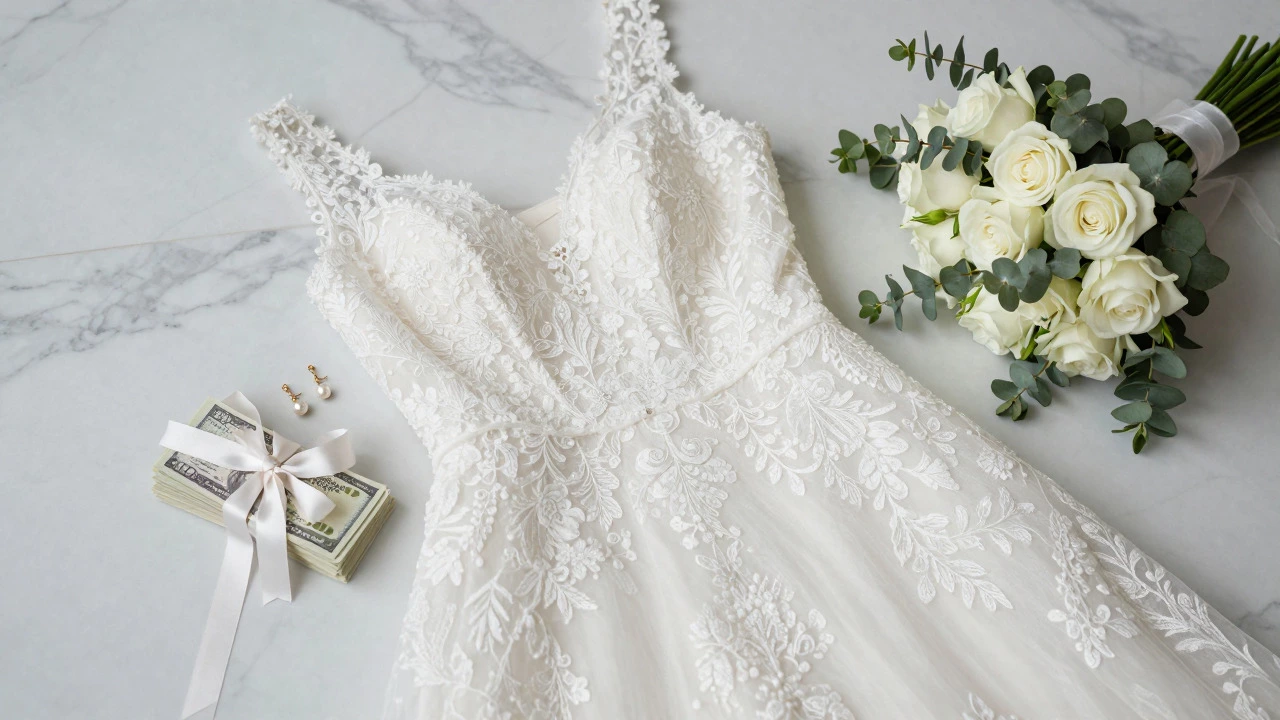
For example, some mothers cover the Bridal Attire is the dress, veil, and accessories worn by the bride on her wedding day. While the bride often buys her own dress, it is a thoughtful and common gesture for the mother of the bride to help fund this purchase. This includes the gown itself, alterations, shoes, and jewelry. According to recent industry data, the average cost for a bridal dress in New Zealand ranges from $1,500 to $3,000 NZD, making it a substantial but manageable contribution.
Other common modern contributions include:
- Rehearsal Dinner: Traditionally, the groom’s family hosts this, but increasingly, the bride’s family takes on this role, especially if the groom’s parents are contributing less elsewhere.
- Brunch or Breakfast: Some mothers organize and pay for a small gathering the morning after the wedding for immediate family and close friends.
- Gifts for the Couple: Beyond covering wedding expenses, many mothers give a separate cash gift or a valuable item, such as home goods or an experience voucher.
The key here is balance. If the mother of the bride pays for the rehearsal dinner, she might not need to cover the full cost of the floral arrangements. It is about finding a fair distribution that feels right for everyone involved.
Navigating the Groom’s Family Expectations
One of the most sensitive aspects of wedding finance is the interaction between the two families. Misunderstandings often arise when one family assumes the other will pick up a tab that isn’t explicitly discussed. To prevent this, it is helpful to establish clear boundaries early on.
Consider the following scenarios:
- The Split Cost Model: Both families agree to split the main wedding costs 50/50. In this case, the mother of the bride should communicate this directly with the mother of the groom. There is no need for the bride to mediate every dollar.
- The Asymmetrical Model: One family can afford more than the other. Here, the wealthier family might cover the venue and catering, while the other family contributes to smaller items like stationery or transportation. Transparency is vital to avoid resentment.
- The Independent Couple: The couple pays for everything themselves. In this situation, the mother of the bride’s role shifts entirely to gifting. Her contribution becomes a personal choice rather than a financial obligation.
Regardless of the model, the goal is to keep the financial details between the parents. Letting the bride and groom worry about who is paying for what can create unnecessary stress during what should be a joyful time.
Budgeting Tips for Mothers of the Bride
Even if you are not the primary payer, having a clear budget helps you manage your contributions effectively. Here are some practical tips to keep your spending under control while still being generous.
1. Create a Separate Wedding Budget Sheet Do not mix your wedding contributions with your regular household budget. Use a dedicated spreadsheet or app to track every expense. This prevents overspending and makes it easier to discuss numbers with your spouse or partner.
2. Prioritize High-Impact Items Sometimes, it is better to spend more on one meaningful area than to spread thin across many. For instance, investing in high-quality photography ensures lasting memories, whereas saving on table settings might not be noticed by guests. Decide what matters most to your family and allocate funds accordingly.
3. Communicate Early and Often Have a frank conversation with the bride and groom about their financial expectations. Ask them directly: "What do you feel comfortable having us cover?" This simple question can save months of guesswork. Similarly, coordinate with the groom’s parents to ensure everyone is on the same page regarding shared costs.
4. Account for Hidden Costs Weddings are notorious for hidden fees. Service charges, taxes, delivery fees, and tipping can add up quickly. Always ask vendors for a detailed breakdown of costs before signing a contract. This ensures your budget reflects the true price of each service.
| Expense Category | Traditional Contributor | Modern Alternative | Average Cost Range (NZD) |
|---|---|---|---|
| Venue & Catering | Bride's Family | Split or Couple | $15,000 - $40,000 |
| Photography | Bride's Family | Split or Couple | $3,000 - $6,000 |
| Bridal Dress & Accessories | Bride / Mother of Bride | Couple / Mother of Bride | $1,500 - $3,500 |
| Rehearsal Dinner | Groom's Family | Bride's Family or Split | $2,000 - $5,000 |
| Flowers & Decor | Bride's Family | Split or Couple | $2,500 - $8,000 |
| Honeymoon | Bride's Family | Couple / Gifts | $3,000 - $10,000 |

Handling Financial Disagreements
Even with the best intentions, money can cause tension. If you find yourself disagreeing with the groom’s family or even your own daughter about who should pay for what, try these strategies to resolve the conflict.
Focus on Values, Not Numbers Instead of arguing about who owes how much, discuss what the wedding means to each family. Is it about creating a grand celebration, or is it about intimate connection? Aligning on values often resolves financial disputes naturally.
Use a Neutral Third Party If direct conversations become heated, consider involving a neutral third party, such as a trusted family friend or a professional wedding planner. They can facilitate the discussion and help find a compromise that satisfies everyone.
Document Agreements Once you reach a consensus on who is paying for what, write it down. A simple email summary confirming the agreement can prevent future misunderstandings. This is not about being litigious; it is about clarity and peace of mind.
Frequently Asked Questions
Does the mother of the bride have to pay for the wedding dress?
No, it is not a strict requirement. Traditionally, the bride purchases her own dress. However, it is a very common and appreciated gesture for the mother of the bride to contribute to or fully cover the cost of the dress, veil, and accessories. This decision often depends on the family's financial situation and personal preferences.
Who pays for the rehearsal dinner in modern weddings?
Traditionally, the groom's family hosts and pays for the rehearsal dinner. However, in modern weddings, this role is frequently swapped, with the bride's family taking on the responsibility. Sometimes, both families split the cost, or the couple pays for it themselves. It is best to discuss this early in the planning process.
Is it rude for the mother of the bride to pay for only part of the wedding?
Not at all. As long as the division of costs is clearly communicated and agreed upon by all parties, paying for specific items is perfectly acceptable. Many families choose to split costs based on their individual budgets. The key is transparency and mutual respect, not adhering to outdated rules of full payment.
Should the mother of the bride give a separate gift to the couple?
Yes, it is customary for both sets of parents to give a gift to the couple, regardless of how much they contribute to the wedding costs. This gift is separate from any financial assistance provided for the event. Common gifts include cash, checks, or valuable items like home appliances, art, or experiences.
How much should the mother of the bride budget for her own outfit?
The mother of the bride typically pays for her own outfit, including the dress, shoes, and accessories. There is no fixed amount, but it is advisable to match the formality of the wedding. In New Zealand, a quality formal dress can range from $300 to $800 NZD. It is important to coordinate colors with the wedding palette to ensure harmony without competing with the bride.