Wedding Photography Coverage Planner
1. Define Your Priorities
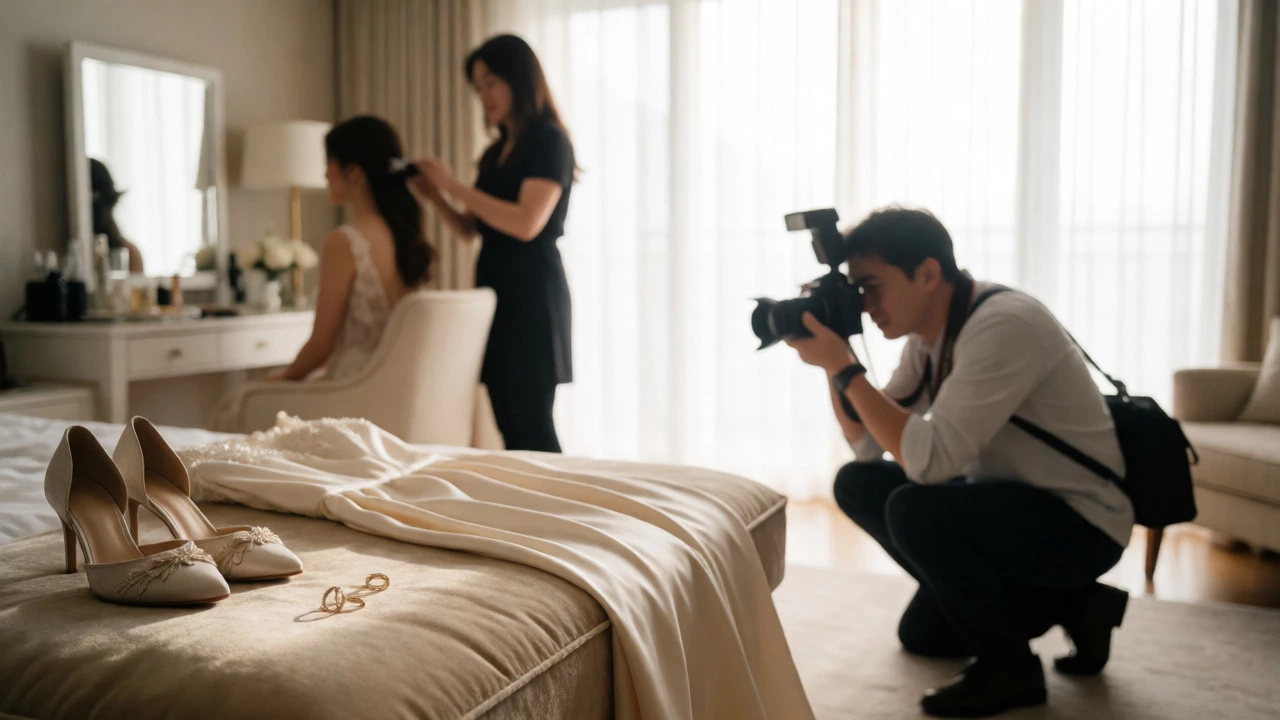
Capture details, emotions, and preparation.
Vows, rings, family portraits, and couple shots.
Toasts, First Dance, Cake Cutting.
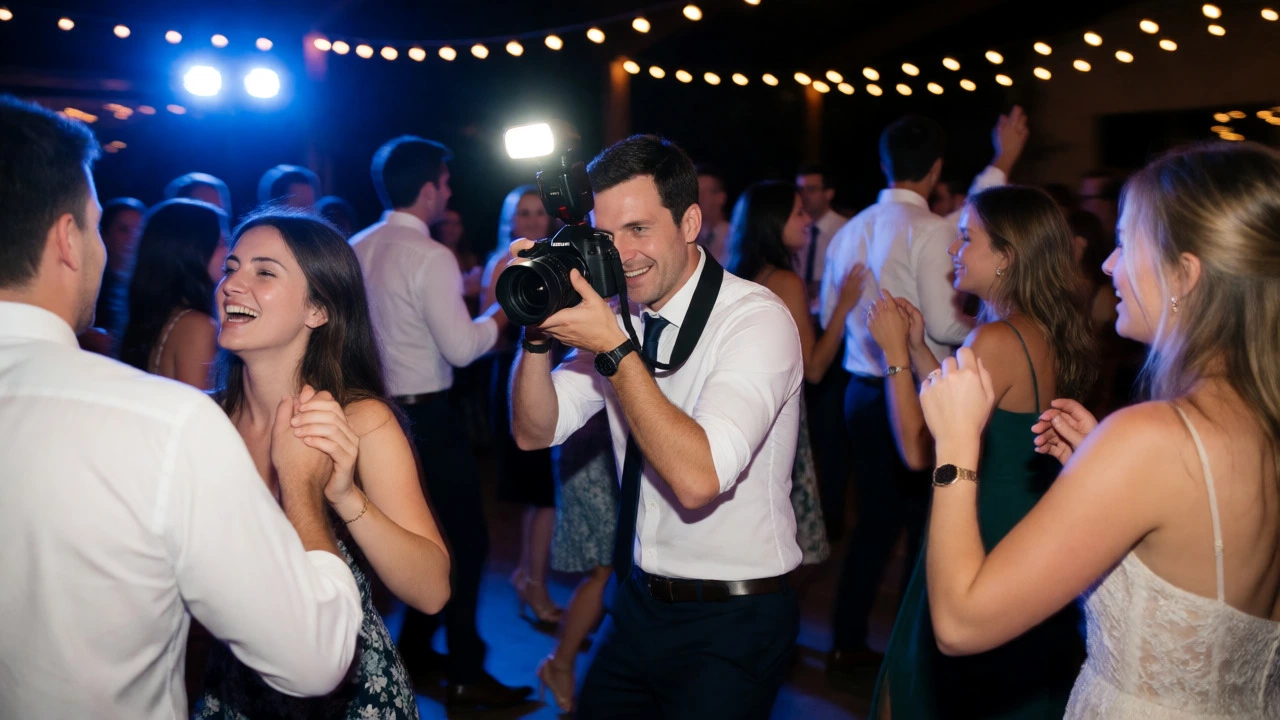
Candid shots of guests dancing and late-night fun.
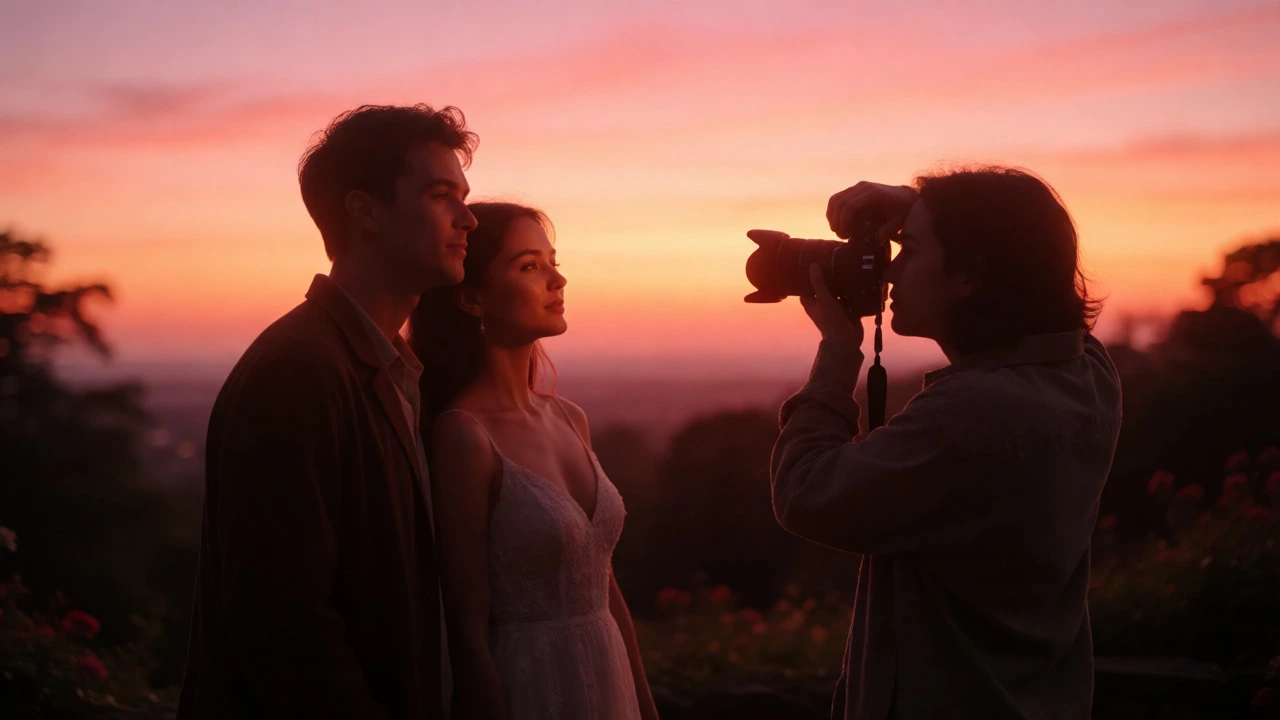
Soft, backlit lighting just before sunset. Adds significant wait time if reception is early.
Estimated Coverage Needed
Standard Coverage
This covers the core moments: prep, ceremony, and key reception events. Ideal for most traditional weddings.
- Base Ceremony/Formals: 2.5 hrs
- Travel & Buffer: 1.0 hr
- Getting Ready: 2.5 hrs
- Dinner/Traditions: 2.5 hrs
You’ve booked the venue, picked the flowers, and finally locked in your wedding photographer is a professional who captures the visual narrative of your marriage ceremony and celebration. But then comes the question that keeps popping up in planning forums: "How long do they actually need to stay?" It’s not just about money; it’s about whether you’ll have photos of Grandma dancing or if you’re paying for an hour where everyone is already in bed. The answer isn’t a single number. It depends entirely on how much of your day you want frozen in time.
Most couples think 8 hours is the magic number because that’s what most packages offer. But is it enough? Do you really need them until the last guest leaves? Let’s break down the actual hours needed based on what matters to you, so you don’t overpay for empty room shots or underpay and miss the best moments.
The Standard Coverage Window: Why 8 Hours is Common
If you look at industry standards, 8-hour coverage is the baseline package offered by most full-service wedding photographers. This usually covers getting ready, the ceremony, family portraits, couple portraits, and about two to three hours of the reception. For many couples, this works perfectly fine. You get the key moments without breaking the bank.
But here’s the catch: 8 hours assumes a tight schedule. If your ceremony starts at 4 PM and you finish getting ready by 10 AM, that’s six hours gone before anyone says "I do." Then you add travel time between locations, which can eat up another hour easily. Suddenly, your photographer arrives for the ceremony and has to leave right after dinner service ends. That means no cake cutting, no first dance, and definitely no candid shots of your friends letting loose on the dance floor.
Think about your priorities. Are you more interested in the emotional buildup of the morning or the energy of the night? If you’re big on party vibes, 8 hours might feel short. If you’re traditional and keep things low-key, it’s plenty.
Breaking Down the Timeline Hour by Hour
To figure out your specific needs, let’s map out a typical wedding day. We’ll assume a standard afternoon ceremony with an evening reception. This helps visualize where the gaps are.
| Time Slot | Activity | Photo Priority | Duration Needed |
|---|---|---|---|
| 9:00 AM - 11:30 AM | Getting Ready (Hair/Makeup) | High (Details, Emotions) | 2-2.5 Hours |
| 11:30 AM - 12:30 PM | First Look / Couple Portraits | Medium-High (Intimate Moments) | 1 Hour |
| 12:30 PM - 1:30 PM | Travel to Venue / Buffer Time | Low (Candid Travel Shots) | 1 Hour |
| 1:30 PM - 2:30 PM | Ceremony | Very High (Vows, Rings) | 1 Hour |
| 2:30 PM - 3:30 PM | Family Formals | Essential (Organized Group Shots) | 45-60 Minutes |
| 3:30 PM - 4:30 PM | Cocktail Hour / Guest Mingling | Medium (Venue Decor, Guests Arriving) | 1 Hour |
| 4:30 PM - 6:30 PM | Dinner Service | Low-Medium (Table Details, Toasts) | 2 Hours |
| 6:30 PM - 7:00 PM | First Dance / Cake Cutting | High (Key Traditions) | 30 Minutes |
| 7:00 PM - 9:00 PM | Dancing / Party | Variable (Fun Candids) | Optional |
Notice how quickly the hours add up. Just getting through the formalities takes about 6 hours. If you want those late-night candids, you’re pushing past the 8-hour mark fast.
When You Need More Than 8 Hours
Some weddings simply demand longer coverage. If you’re having a multi-day event, like a destination wedding in New Zealand where guests arrive early for welcome drinks, your photographer might need to be there from the rehearsal dinner onward. But even for a single-day event, certain scenarios stretch the timeline.
Consider the golden hour is the period shortly after sunrise or before sunset when daylight is redder and softer. In Auckland, depending on the season, this could mean staying until 8 PM or later in summer. If you want those dreamy, backlit portraits, you cannot rush the photographer. They need at least 30-45 minutes dedicated solely to couple portraits during this light window. If your reception runs late, this often pushes the end time well into the night.
Also, large weddings with complex family dynamics require more time for formals. If you have step-parents, divorced parents who need separate shots, or extended cousins flying in, organize your shot list carefully. Without a strict plan, family photos can drag on for two hours instead of forty-five minutes. A good photographer will manage this, but it still consumes valuable coverage time.
Can You Get Away With Less? Short-Coverage Options
Not everyone wants a documentary-style record of every second. If budget is tight, or if you prefer privacy, shorter coverage works. Some couples opt for 4-6 hours. This usually means skipping the getting-ready phase entirely or arriving just before the ceremony.
Here’s the trade-off: you lose the anticipation shots. No tears as your mom zips up your dress, no nervous laughter with your partner. You start capturing the moment the doors open. For some, that’s fine. They care more about the result than the process. However, if you skip the morning prep, ensure you still get detail shots of the dress, shoes, and rings. Ask your photographer to spend 15 minutes on these details upon arrival if they aren’t there for the full prep.
Another strategy is splitting coverage. Hire one photographer for the ceremony and portraits, and a second shooter or videographer for the reception party. This can sometimes be cheaper than keeping one lead photographer on retainer for 10+ hours, though coordination becomes trickier.
The Hidden Costs of Under-Covering
It’s tempting to save money by booking fewer hours. But consider what you’re missing. Photos tell a story. If your album jumps from the vows straight to the next day, you’ve lost the middle chapter. You won’t see the joy on your uncle’s face during the toast, or the relief on your partner’s face after the ceremony ends.
Moreover, rescheduling is hard. Once the day passes, you can’t recreate the spontaneous emotions. If you cut coverage short, you risk regretting it when you see other couples’ albums with vibrant, complete narratives. Think about the value of those memories versus the hourly rate difference. Often, extending coverage by just one hour costs less than the cost of printing a few extra albums, yet provides priceless context.
How to Decide Your Exact Hours
Don’t guess. Sit down with your photographer and walk through your schedule. Use this checklist:
- Start Time: When does hair/makeup begin? Add 1 hour for buffer/travel.
- Ceremony End: How long after the ceremony do you need for family formals?
- Portraits: Do you want golden hour shots? Check sunset times for your date.
- Reception Key Events: First dance, cake cutting, bouquet toss-when do these happen?
- Departure: When do you realistically expect the photographer to leave? Be honest.
If your total exceeds 8 hours, ask about overtime rates. Many photographers charge an hourly fee beyond the package limit. Negotiate this upfront. Don’t wait until the night before to realize you forgot to include the sparkler exit.
Do I need my photographer for the entire reception?
No, not necessarily. Most couples find that covering the first 1-2 hours of the reception (including dinner, toasts, first dance, and cake cutting) is sufficient. Staying for the entire party until midnight adds significant cost and often yields diminishing returns unless you specifically want late-night candid shots.
What happens if my wedding runs late?
If your schedule slips, your photographer may incur overtime charges. To avoid surprise bills, build buffer time into your timeline. Communicate delays immediately. Most photographers will try to accommodate minor shifts, but major overruns usually require additional payment per hour.
Is a 'Second Shooter' worth it for long days?
Yes, especially for larger weddings or venues with multiple locations. A second shooter allows simultaneous coverage-for example, capturing the groom’s reaction while the main photographer shoots the bride. This ensures you don’t miss key angles and reduces the pressure on the primary photographer to be everywhere at once.
How does weather affect coverage time?
Rain or poor lighting can slow down outdoor portrait sessions. If you planned outdoor golden hour shots but it rains, you might need indoor alternatives, which can take longer to set up. Conversely, extreme heat might shorten the time guests want to stay outside. Always have a backup plan discussed with your photographer.
Can I drop my photographer off early?
You can, but ensure all critical moments are captured first. Once the photographer leaves, you’re responsible for any remaining candid shots. Guests might take phone photos, but they won’t match professional quality. Confirm the final shot list with your photographer before they depart.