Wedding Flower Estimator & Seasonality Checker
Planning a wedding? Find out if your dream flower is in season and estimate the cost per stem before you talk to your florist.
You’re standing in a florist’s shop, overwhelmed by buckets of stems. Everyone says "roses," but your friend just posted photos of her stunning peony bouquet on Instagram. You want something classic, but you also don’t want to look like every other bride from 2015. So, what is the actual answer? What flower do most couples actually pick?
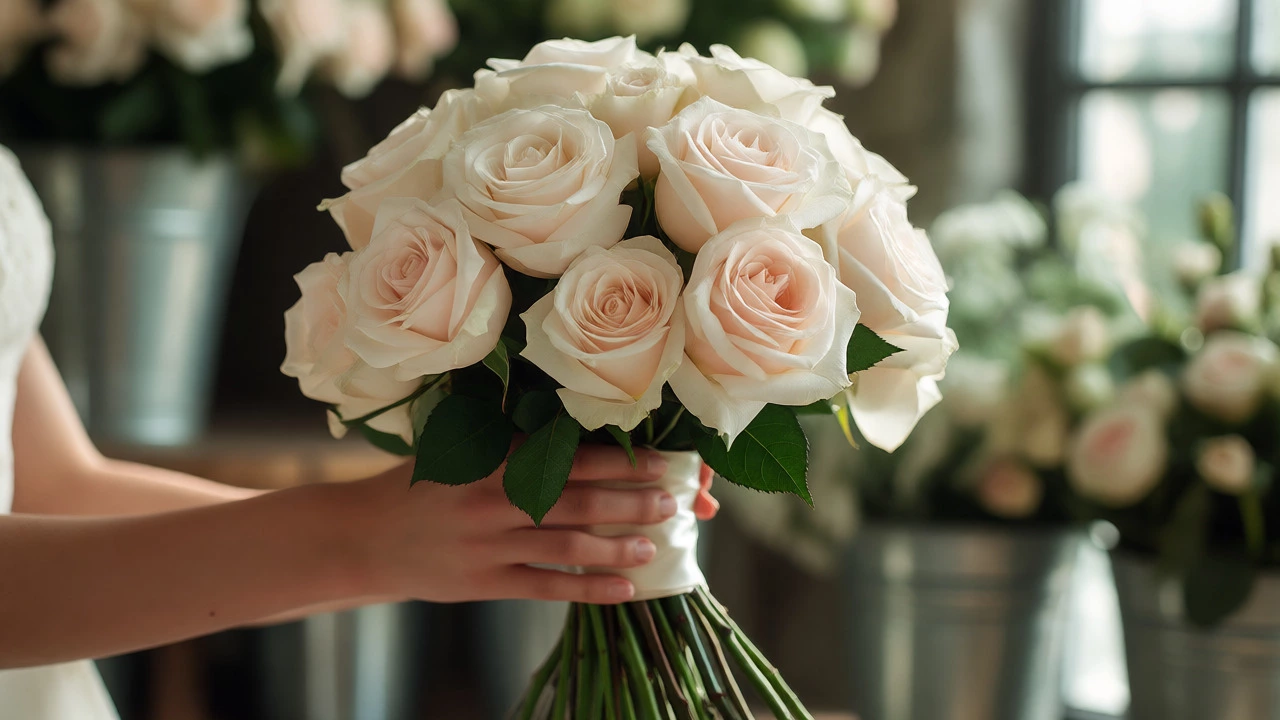
The short answer: Roses remain the undisputed king of wedding flowers globally. They are available year-round, come in almost every color imaginable, and carry centuries of symbolic weight. But here’s the twist-while roses are the most *used*, they aren’t always the most *desired*. Many modern brides are shifting toward seasonal blooms like peonies, ranunculus, and dahlias for that lush, garden-party vibe.
Why Roses Still Rule the Wedding World
If you ask any florist in Auckland or New York what sells the most volume, they’ll say roses. It’s not because everyone lacks imagination; it’s because roses are practical powerhouses. They have a long vase life, meaning your bouquets won’t wilt before the cake cutting. They are sturdy enough to travel well if you’re having a destination wedding. And crucially, they fit every budget.
Roses belong to the genus Rosa, with over 300 species and thousands of cultivars. This variety means you can find a rose that matches your exact shade of blush pink or deep burgundy without custom dyeing (which costs extra). The American Rose Society notes that hybrid teas and spray roses are the top choices for cut flowers due to their large heads and strong stems.
| Variety Type | Best For | Price Range | Availability |
|---|---|---|---|
| Hybrid Tea | Bridal bouquets, centerpieces | $$ - $$$ | Year-round |
| Spray Rose | Boutonnieres, smaller arrangements | $ - $$ | Year-round |
| Garden Rose | Lush, romantic looks | $$$ | Seasonal (Spring/Summer) |
The Rising Star: Why Peonies Are Challenging the Throne
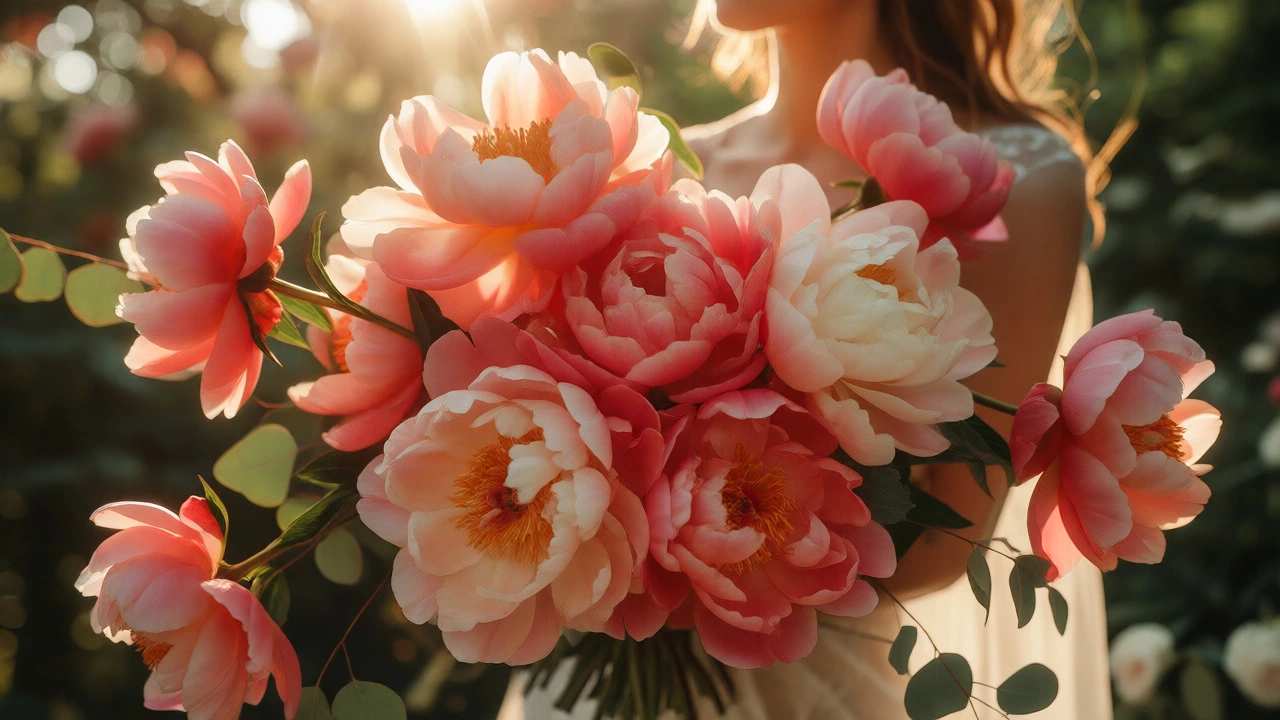
Let’s talk about the flower that makes people gasp when they see it: the Peony. If roses are the reliable old friend, peonies are the glamorous celebrity who only shows up once a year. Their massive, ruffled blooms create an instant sense of luxury and abundance.
But there’s a catch. Peonies are strictly seasonal. In the Northern Hemisphere, peak season is late April to June. If you’re getting married in September in New Zealand, you’re looking at imported Dutch peonies, which drives the price up significantly. A single premium peony head can cost $8-$15 USD, whereas a high-quality rose might be $3-$6.
Despite the cost and timing constraints, peonies dominate Pinterest boards. Why? Because they photograph beautifully. The soft petals diffuse light differently than the tighter structure of a rose, giving photos a dreamy, ethereal quality. If your heart is set on peonies but your date doesn’t align, ask your florist about Ranunculus. These layered blooms mimic the fullness of peonies but are available longer and often cost less.
Understanding Flower Symbolism Without Being Cliché
We’ve all heard that red roses mean "I love you." But does that matter when you’re planning a reception? Surprisingly, yes-especially if you have guests who care about tradition or if you’re incorporating cultural elements into your ceremony.
- White Roses: Traditionally symbolize purity and new beginnings. They are the safest bet for formal, traditional weddings.
- Pink Roses: Represent gratitude and grace. Lighter shades are playful; darker shades convey appreciation.
- Tulips: Often associated with perfect love. They add a casual, European charm to bouquets.
- Lilies: Can signify devotion, but beware-some varieties (like Stargazer) have strong scents that might clash with food aromas or trigger allergies.
Don’t feel pressured to stick to these meanings rigidly. Modern floral design is about texture and color harmony more than Victorian floriography. However, avoiding flowers with negative connotations in specific cultures (like white chrysanthemums in some Asian traditions, which are used for funerals) is smart planning.
How Seasonality Impacts Your Choice
Here is where many couples get tripped up. They fall in love with a photo taken in May, then try to replicate it in October. Florists can import almost anything, but freshness and price suffer when you fight nature.
In New Zealand, our seasons are reversed compared to Europe and North America. If you’re reading this in Auckland, keep this local calendar in mind:
- Spring (Sept-Nov): Peak time for tulips, daffodils, and early roses. Everything looks fresh and vibrant.
- Summer (Dec-Feb): Dahlias, sunflowers, and hydrangeas are abundant. This is great for bold, colorful palettes.
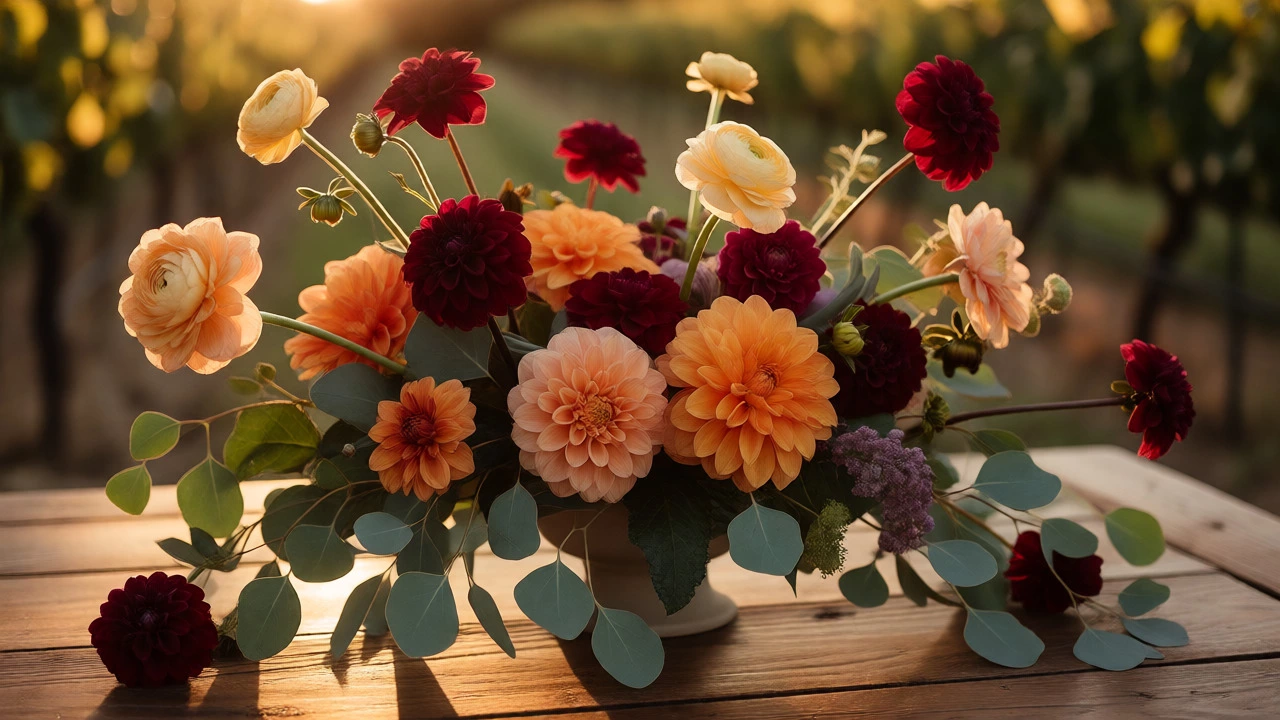
- Autumn (Mar-May): Ranunculus, anemones, and berries shine. Colors shift to warm oranges, rusts, and creams.
- Winter (Jun-Aug): Camellias, hellebores, and forced bulbs like paperwhites offer delicate beauty. Greenery plays a bigger role here.
Choosing a flower that is in season locally reduces carbon footprint and keeps costs down. A local dahlia in February will look better and last longer than an imported one.
Cost Breakdown: What Does Each Flower Actually Cost?
Flower prices fluctuate based on supply chain issues, fuel costs, and global demand. As of 2026, here’s a realistic estimate per stem for common wedding blooms in major markets:
| Flower | Average Cost | Longevity in Vase | Visual Impact |
|---|---|---|---|
| Rose (Standard) | $3 - $6 | 7-10 days | Classic, versatile |
| Peony | $8 - $15 | 5-7 days | High volume, luxurious |
| Ranunculus | $4 - $7 | 7-10 days | Detailed, intricate |
| Hydrangea | $6 - $10 | 5-7 days | Fills space quickly |
| Eucalyptus (per bunch) | $5 - $8 | 2+ weeks | Texture, scent, filler |
Notice how greenery like eucalyptus offers incredible value. It lasts forever and adds movement to arrangements. Many savvy couples use 50% flowers and 50% foliage to stretch their budget while maintaining a lush look.
Alternatives When Your Dream Flower Isn’t Available
If you can’t get peonies, don’t panic. Here are three swaps that deliver similar aesthetics:
- Camellias: Look remarkably like peonies but are winter/spring blooms. They have smooth, waxy petals that hold up well in heat.
- Garden Roses: Specifically varieties like 'Juliet' or 'Keira'. They have the same ruffled, cupped shape as peonies but are available longer.
- Anemones: For a dramatic, modern look. The black centers provide contrast that mimics the depth of larger blooms.
Always send your florist a mood board with 3-5 images. Say, "I love the fullness of these peonies, but I’m open to suggestions if they aren’t available." Good florists will propose creative solutions that respect your vision and your wallet.
Practical Tips for Choosing Your Wedding Flowers
Before you book your florist, consider these factors:
- Allergies: Lilies and heavy-scented roses can trigger headaches. Opt for hypoallergenic options like orchids or calla lilies if sensitive guests are attending.
- Heat Tolerance: Outdoor summer weddings require hardy flowers. Delicate blooms like sweet peas wilt instantly in direct sun. Choose succulents, proteas, or sturdy roses instead.
- Color Matching: White isn’t just white. There are ivory, cream, champagne, and bright white. Bring fabric swatches to your consultation to ensure the flowers match your dress exactly.
- Reusability: Plan to move bouquets from ceremony to reception. Or choose loose arrangements that can be redistributed among tables after the vows.
Ultimately, the "most used" flower is less important than the one that feels right for you. Roses win on popularity because they are safe, affordable, and beautiful. But if you want to stand out, lean into seasonality and texture. A simple arrangement of local wildflowers and eucalyptus can feel far more personal and memorable than a generic rose bouquet.
Are peonies really more expensive than roses?
Yes, typically. Peonies are seasonal and labor-intensive to harvest, often costing 2-3 times more per stem than standard roses. However, because each peony head is much larger, you need fewer stems to fill a bouquet, which can balance the overall cost.
Which flower lasts longest in a wedding bouquet?
Roses, carnations, and chrysanthemums are known for their longevity, lasting up to two weeks if cared for properly. Orchids are also extremely durable and heat-resistant, making them ideal for outdoor ceremonies.
Can I use artificial flowers for my wedding?
Absolutely. High-quality silk or latex flowers are increasingly popular, especially for expensive blooms like peonies or for destination weddings where transport is risky. They allow you to reuse the bouquet for anniversary photos.
What is the best flower for a summer wedding?
Sunflowers, dahlias, zinnias, and hydrangeas thrive in summer heat. They are widely available, vibrant, and withstand higher temperatures better than delicate spring blooms like tulips or lilacs.
Do flower colors affect the cost?
Sometimes. Rare colors like true blue (often dyed), deep purple, or specific variegated patterns can command a premium. Standard whites, pinks, and reds are usually the most affordable due to mass production.