
Wedding Planner Cost & ROI Calculator
Full-Service
Complete planning from concept to execution
$5,000 - $15,000+Partial Planning
Hybrid approach for specific needs
$2,500 - $6,000Month-of Coordination
Day-of management only
$1,500 - $3,500Your Personalized Analysis
Estimated Planner Fee
Based on selected service level and guest count
Potential Savings
Vendor discounts + Time value saved
Return on Investment Breakdown
| Base Planner Fee: | $0 |
| Vendor Negotiation Savings: | +$0 |
| Time Value Saved (est. 100 hours): | +$0 |
| Net ROI: | $0 |
Let’s be honest: when you look at your wedding budget spreadsheet, the line item for "planning" can feel like a luxury you can’t justify. After all, weddings are about love, right? Not spreadsheets and vendor negotiations. But here is the reality check that many couples miss until it’s too late: trying to save money by skipping professional help often costs you more in stress, hidden fees, and last-minute disasters.
The question isn't just "Can I afford a planner?" It's "What does a wedding planner actually do, and how much value do they bring to the table?" In 2026, with venue prices rising and vendor availability tightening, understanding the true cost of wedding planner services is crucial. Whether you are looking for a full-service guru or just someone to hold the clipboard on the day, knowing what you are paying for helps you make a smart financial decision.
Understanding the Three Main Service Levels
Not all planners charge the same, and not all planners do the same work. The biggest mistake couples make is comparing hourly rates without looking at the scope of work. Generally, the industry splits into three distinct tiers. Knowing which one fits your needs will tell you exactly where your money goes.
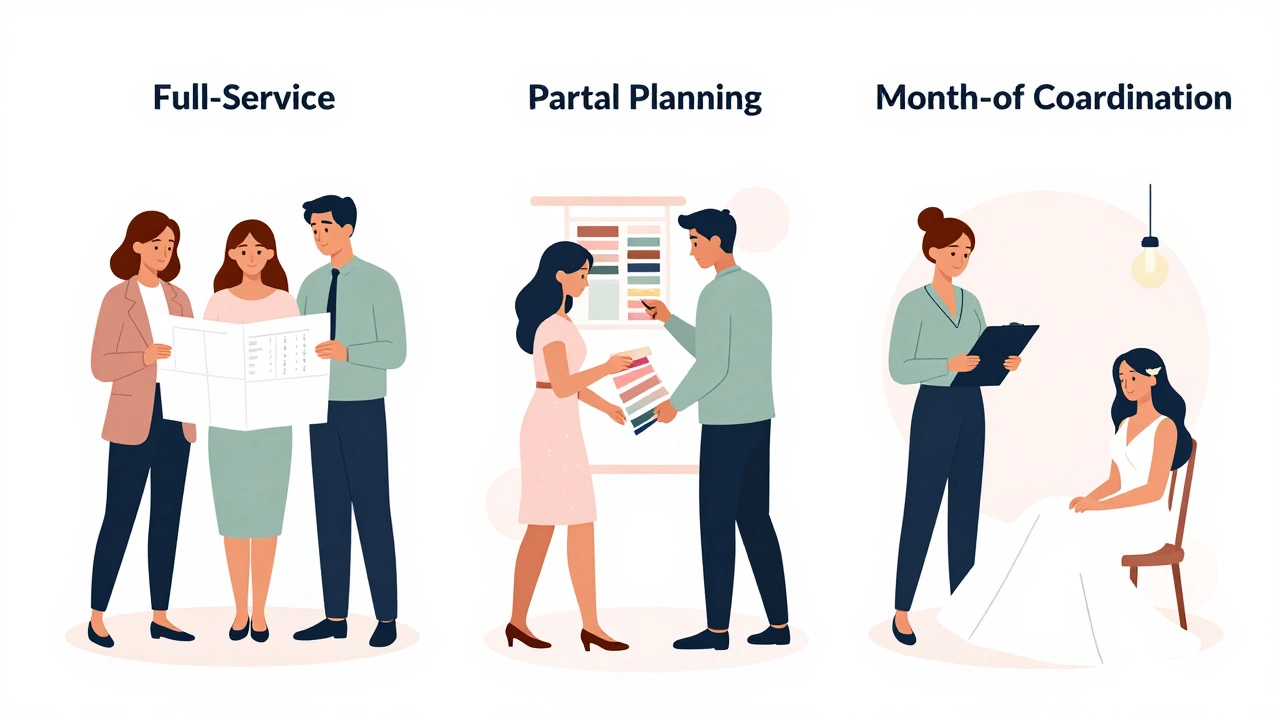
Full-Service Planning is a comprehensive package where the planner handles every detail from the initial concept to the final dance. This includes venue scouting, budget creation, vendor selection, design consultation, contract negotiation, and day-of management. You hand them the vision; they build the reality. This is the most expensive option because it involves hundreds of hours of labor over 12 to 18 months.
Partial Planning is a hybrid approach for couples who have booked their major vendors (venue, caterer) but need help with design, timeline, and logistics. You might hire them six months out. They step in to fill the gaps, ensuring the pieces fit together. This saves money compared to full service but still requires a significant time commitment from you early on.
Month-of Coordination is often misunderstood as starting only one month before the wedding. In reality, these planners start working 4-6 weeks prior to finalize details, create timelines, and manage vendors. On the actual wedding day, they run the show so you don't have to. This is the most affordable option but requires you to have done the heavy lifting beforehand.
| Service Type | Average Cost (NZD) | Best For | Time Commitment from Couple |
|---|---|---|---|
| Full-Service Planning | $5,000 - $15,000+ | Couples busy with careers, destination weddings, or complex events | Low (Planner leads) |
| Partial Planning | $2,500 - $6,000 | Couples who want creative direction but have handled bookings | Medium |
| Month-of Coordination | $1,500 - $3,500 | Budget-conscious couples who are organized DIYers | High (Couple leads) |
Why Prices Vary So Much in New Zealand
If you call three different planners in Auckland and get three wildly different quotes, you aren't alone. Several factors drive these price differences. It’s not just about prestige; it’s about risk, experience, and logistics.
Experience and Reputation: A planner with ten years of experience and a portfolio of high-profile weddings charges more than someone who just graduated. You are paying for their network. Established planners have relationships with top-tier florists, photographers, and venues. They know who delivers on time and who doesn’t. That insider knowledge prevents costly mistakes.
Guest Count and Complexity: Managing a dinner party for 50 people is vastly different from orchestrating an event for 250. More guests mean more logistical headaches-more seating charts, more food runs, more bathroom breaks to monitor. Planners often tier their pricing based on guest count. If you are having a large wedding, expect the fee to scale up.
Location and Travel: Are you getting married in the city center of Auckland, or is your venue a remote vineyard in Hawke's Bay? Planners factor in travel time and accommodation if the venue is far from their base. Destination weddings also command higher fees because the planner may need to fly out for site visits or stay on-site for multiple days.
Seasonality: Just like hotels, wedding demand spikes in peak seasons (typically December to February in New Zealand). Some planners increase their rates during these high-demand periods due to limited availability. Booking early can sometimes lock in better rates, though this varies by provider.
Hidden Costs and What to Watch Out For
The base fee is rarely the only number you will see on the invoice. When reviewing contracts, look closely for additional charges that can creep up your total spend.
- Vendor Deposits: Most planners require you to pay vendor deposits through them. While this ensures accountability, some planners charge an administrative fee (usually 5-10%) for handling these payments. Always ask if this is included in their base fee.
- Overtime Fees: Day-of coordinators usually work a set number of hours (e.g., 10-12 hours). If your reception runs late or the ceremony gets delayed, you will pay an hourly overtime rate. These rates can be steep, often $150-$250 per hour.
- Travel Expenses: If your venue is outside the planner's standard radius, you may be responsible for fuel, parking, or even flights and hotels. Clarify the "travel zone" in the contract.
- Design Consultations: Some planners offer mood boards and design concepts as part of the package. Others charge separately for creative direction sessions. If you need help choosing colors and decor, ensure this is included.
Is Hiring a Wedding Planner Worth the Investment?
This is the million-dollar question. To answer it, you need to calculate the Return on Investment (ROI). It’s not always monetary; sometimes it’s emotional.
Cost Savings vs. Stress Relief: A good planner can actually save you money. Because they negotiate with vendors, they often secure better deals or waive fees that you wouldn't know to ask for. For example, a planner might get a free upgrade on the cake tasting or reduced rental fees for chairs. If they save you $2,000 in vendor discounts and their fee is $3,000, the net cost is only $1,000 for peace of mind. That’s a bargain.
Time Value: How much is your time worth? If you earn $50 an hour and spend 100 hours researching venues, calling caterers, and creating seating charts, you’ve spent $5,000 in lost productivity. A planner absorbs that time burden. For dual-income couples or those living overseas, this trade-off is often essential.
Stress Reduction: Weddings are emotionally charged. Having a neutral third party handle conflicts between family members or calm a nervous bride is invaluable. You cannot put a price on enjoying your own wedding instead of worrying about whether the DJ showed up.
How to Negotiate Your Wedding Planner Fee
Fees are not always set in stone. Here are practical tips to potentially lower the cost without sacrificing quality:
- Book Off-Peak: If you are flexible with dates, consider getting married in autumn or spring. Planners may offer discounts for slower seasons to keep their books filled.
- Reduce Scope: Can you handle the invitations yourself? Can your cousin manage the music playlist? By taking on specific tasks, you might downgrade from Full-Service to Partial Planning, saving thousands.
- Ask About Packages: Some planners have rigid packages, while others customize quotes. Be upfront about your budget constraints. They might suggest a streamlined version of their service that meets your core needs.
- Referral Discounts: If you were referred by a past client, ask if there is a loyalty discount. Many businesses appreciate repeat business referrals.

Red Flags: When a Low Price Is Too Good to Be True
While you want to save money, beware of planners who charge significantly below market rate. Extremely low fees can indicate:
- Lack of Experience: They may be using your wedding as a practice run.
- Poor Vendor Relationships: They might not have the clout to negotiate with suppliers, leading to higher costs for you elsewhere.
- Hidden Upsells: The base fee is low, but they charge extra for everything else, including basic phone calls or email responses.
- Unprofessionalism: Check reviews carefully. A cheap planner who disappears when things go wrong is a liability, not an asset.
In New Zealand, ensure your planner is registered with relevant industry bodies if applicable, and always read testimonials from real clients. Look for specific mentions of problem-solving and communication, not just pretty photos.
Final Thoughts on Budgeting for Planning Services
Deciding how much to spend on a wedding planner comes down to prioritizing what matters most to you. If your dream wedding involves intricate details, a large guest list, and zero stress, investing in a full-service planner is wise. If you are a hands-on couple who enjoys the process and has strong organizational skills, a month-of coordinator might be the sweet spot.
Remember, the goal is not to find the cheapest option, but the best value. A skilled planner acts as an insurance policy for your big day. They anticipate problems before they happen and solve them before you notice. When you wake up on your wedding morning, you want to feel excited, not exhausted. That feeling is worth every penny.
What percentage of my wedding budget should go to the planner?
A common rule of thumb is to allocate 8-10% of your total wedding budget to planning and coordination services. However, this varies widely. For smaller weddings, the percentage might be higher because the fixed costs of planning remain similar. For larger weddings, the percentage might drop slightly as other costs (venue, catering) scale up. Focus on the value provided rather than a strict percentage.
Do wedding planners take a commission from vendors?
Ethical practices vary. Some planners disclose that they receive commissions from certain vendors, while others strictly charge flat fees to avoid conflicts of interest. In New Zealand, transparency is key. Ask your planner directly about their compensation structure. If they take commissions, ensure it does not influence their recommendations for your best interest.
When should I hire a wedding planner?
For full-service planning, hire 12-18 months in advance to secure top venues and vendors. For partial planning, 6-9 months ahead is ideal. For month-of coordination, book 6-12 months in advance, as these slots fill up quickly due to high demand and lower price points.
Can I hire a friend or family member to plan my wedding?
It’s tempting to save money by asking a organized friend, but it can strain relationships. Professional planners provide objectivity, industry connections, and legal contracts. Friends lack these resources and may feel resentful after long hours of unpaid work. If you choose this route, set clear boundaries and consider giving them a generous gift or cash bonus.
What questions should I ask a potential wedding planner?
Ask about their availability for your date, their typical workload, how they handle emergencies, and their cancellation policy. Request references from past clients and ask specifically about how the planner resolved any issues that arose during those weddings. Also, inquire about their preferred communication style and response times.