Wedding Flower Budget Simulator
Picture this: You’re standing in a garden center on a Saturday morning, holding a single stem of roses. The tag says $4.50. You do the math in your head-twenty stems for a bouquet, five bouquets for bridesmaids, ten centerpieces... suddenly, that cute little number balloons into a terrifying sum. This is the exact moment most couples realize why wedding flowers are often the biggest line item in their decor budget. But here’s the burning question: Is $1,000 enough?
The short answer is yes, but with major caveats. In 2026, you can absolutely pull off beautiful floral arrangements for under a grand if you are strategic, flexible, and willing to trade some luxury blooms for greenery and seasonal alternatives. However, if you have your heart set on out-of-season peonies or massive, floor-to-ceiling installations, that budget will vanish faster than champagne at a toast.
The Reality of Floral Pricing in 2026
To understand if your budget holds water, we need to look at how florists actually price their work. It’s not just about the cost of the plant. When you hire a professional florist, you are paying for three distinct things: the product (the flowers themselves), the labor (designing and building the arrangements), and the overhead (delivery, setup, breakdown, and waste).
In Auckland and similar markets, the average cost for a bride’s bouquet ranges from $150 to $300. Bridesmaid bouquets typically run between $80 and $120 each. Centerpieces vary wildly based on size and complexity, but a standard low arrangement might cost $75 to $100 per table. If you add ceremony arches, buttonholes for groomsmen, and altar decorations, the total bill easily exceeds $3,000 to $5,000 for a medium-sized wedding.
So, where does $1,000 fit in? It fits in if you strip away the extras. It fits in if you focus on high-impact areas and skip the rest. Here is a realistic breakdown of what $1,000 can buy you if you prioritize correctly:
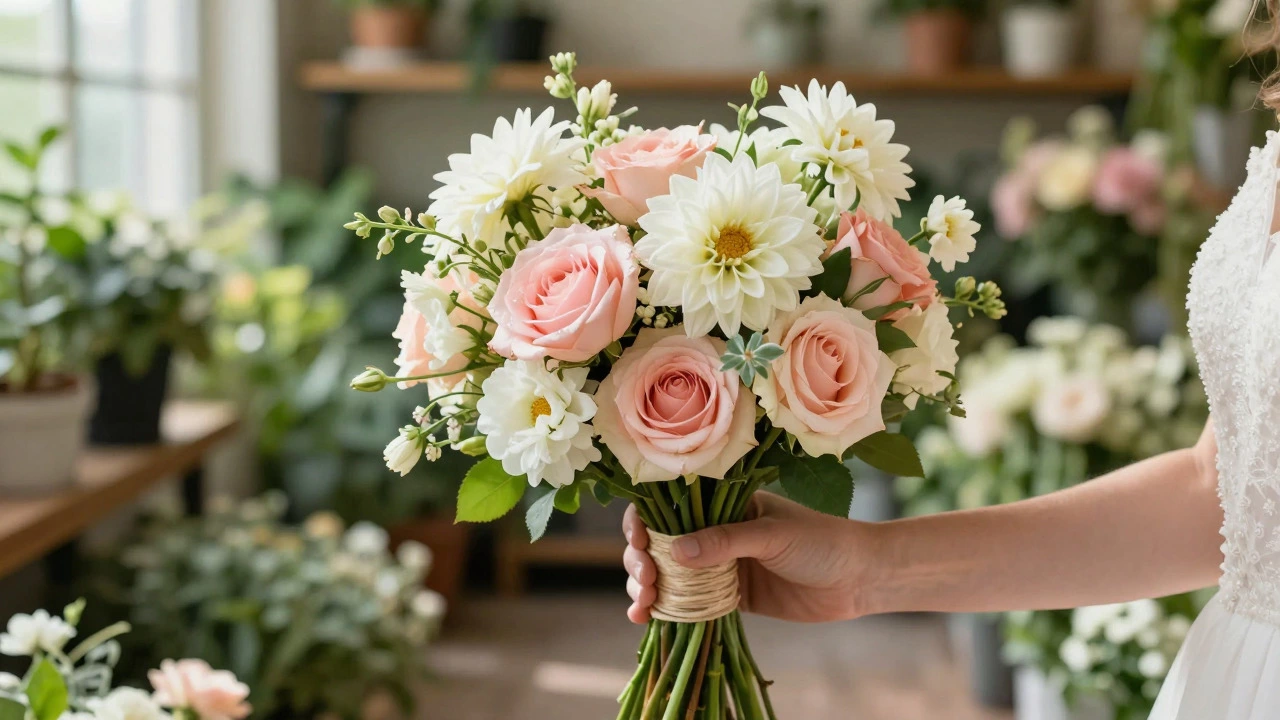
- Bridal Bouquet: $200 (a lush, hand-tied bunch using seasonal roses and dahlias)
- Four Bridesmaid Bouquets: $300 ($75 each, smaller posy style)
- Six Table Centerpieces: $360 ($60 each, simple bud vases with single stems or small bunches)
- Groom Buttonhole: $40
- Remaining Buffer: $100 (for unexpected costs or extra greenery)
Notice what’s missing? There are no ceremony backdrops, no floral arches, no corsages for mothers, and no aisle decorations. For a micro-wedding or an elopement, this budget works perfectly. For a reception with fifty guests, it requires careful editing.
How to Stretch Your Dollar Without Looking Cheap
Working with a tight budget doesn’t mean your wedding has to look sparse. It means you have to be smarter about design. The goal is to create the illusion of abundance without buying bulk quantities of expensive blooms. Here are four strategies that professional florists use to maximize impact while minimizing cost.
1. Go Green with Foliage
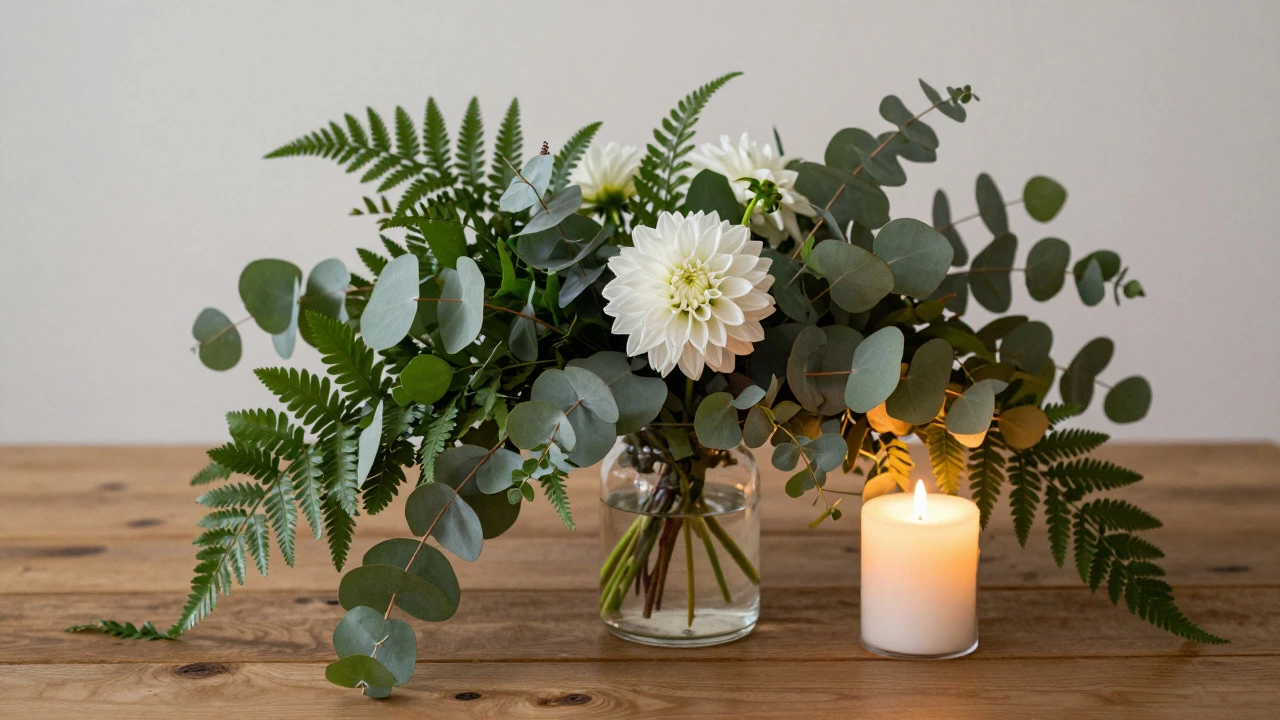
Greenery is significantly cheaper than colored flowers. A wall of eucalyptus, ferns, or ivy looks lush, romantic, and expensive, but it costs a fraction of the price of roses. Florists often use greenery as the base structure of an arrangement, adding only a few "accent" flowers for color. By flipping this ratio-using 80% greenery and 20% flowers-you cut costs dramatically while maintaining volume. Consider using olive branches, ruscus, or monstera leaves, which are abundant and durable.
2. Embrace Seasonality
Buying flowers in season is the single most effective way to save money. In New Zealand, spring brings tulips, lilies, and sweet peas at rock-bottom prices. Summer offers sunflowers, zinnias, and chrysanthemums. Autumn provides dahlias and chrysanthemums, while winter relies on evergreens and hardy blooms like proteas. If you insist on having peonies in July, you are paying for imported flowers that have flown halfway around the world. Stick to what is growing locally right now, and you’ll get fresher, longer-lasting flowers for less cash.
3. Choose High-Impact Locations
You don’t need flowers everywhere. Guests notice the bride’s bouquet and the tables they sit at. They rarely scrutinize the entrance hallway or the bar area. Allocate your budget to these two high-visibility zones. Skip the floral arrangements for the restroom, the gift table, or the welcome sign. Instead, use candles, books, or fruit bowls as non-floral decor in those areas. This concentrates your spending where it matters most.
4. Simplify the Design
Complexity costs money. Intricate designs that require hours of wiring, taping, and shaping increase labor costs. Simple, loose, garden-style bunches tied with twine are trendy, romantic, and much faster to assemble. Similarly, avoid complex structures like floral domes or suspended ceilings. Opt for flat-lay arrangements or simple vase setups that require minimal construction time.
DIY vs. Hiring a Florist: The Hidden Costs
Many couples think doing it themselves is the ultimate money-saver. While you do save on labor fees, DIY comes with its own hidden expenses and risks. Let’s break down the reality of sourcing your own flowers versus hiring a pro.
| Factor | DIY Approach | Professional Florist |
|---|---|---|
| Upfront Cost | Lower (you pay only for blooms) | Higher (includes labor and markup) |
| Risk of Waste | High (amateurs often overbuy or damage stems) | Low (professionals know exactly how many stems to use) |
| Time Commitment | Very High (shopping, conditioning, arranging day-before) | None (they handle everything) |
| Quality Assurance | Variable (depends on your skill level) | Guaranteed (replacement policy for wilted flowers) |
| Hidden Costs | Vases, wire, tape, foam, delivery vehicle | Delivery fee, service charge |
If you choose DIY, you must factor in the cost of supplies. You’ll need floral tape, wire, scissors, buckets, and possibly a refrigeration space to keep the flowers fresh overnight. Also, consider who will set up the centerpieces on the day. If you hire friends to help, you owe them drinks and food. If you do it yourself, you lose valuable prep time before the ceremony.
For a $1,000 budget, a hybrid approach often works best. Hire a florist to make the bridal party bouquets because these are photographed closely and require precision. Then, DIY the table centerpieces by buying bulk greenery and simple blooms from a wholesale market or garden center, and arranging them in rented or borrowed vases.
Creative Alternatives to Traditional Flowers
If you find that even with all the tips, $1,000 feels too tight for the amount of coverage you want, consider mixing in non-floral elements. These alternatives can fill space, add texture, and reduce the number of actual flower stems needed.
- Candles: Pillar candles and taper candles create warmth and height. They are reusable and inexpensive compared to large floral installations.
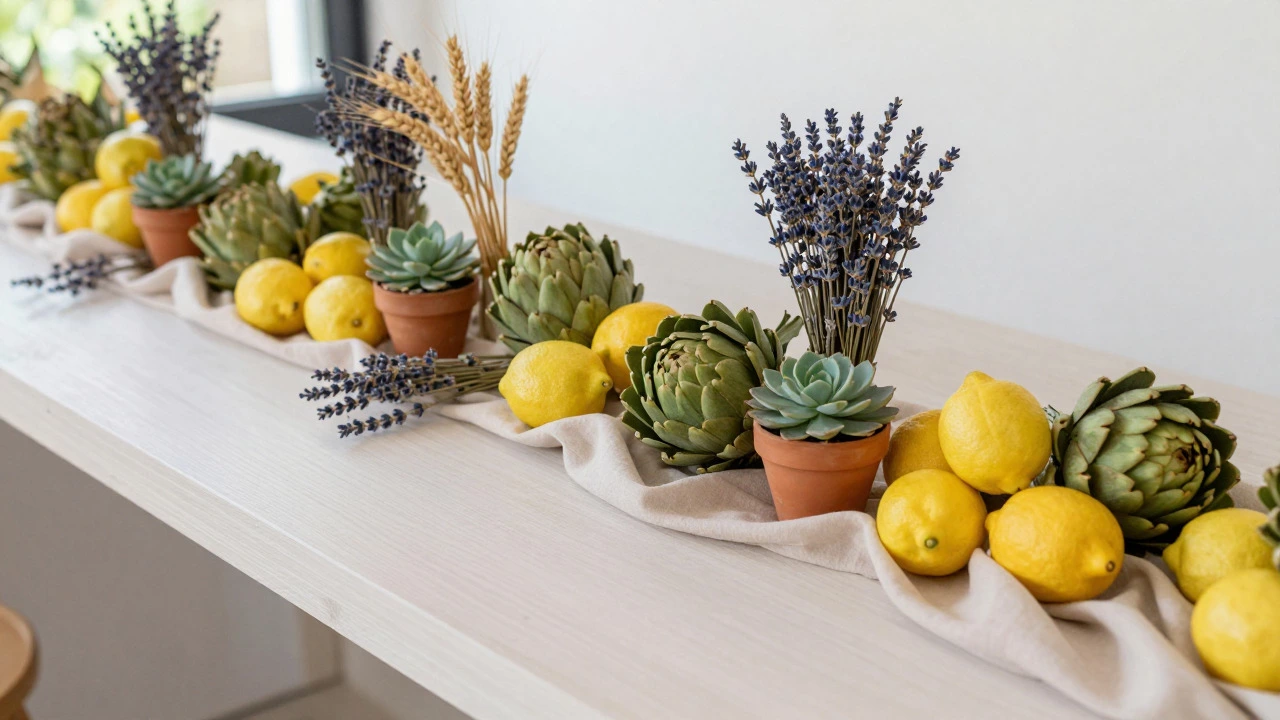
- Fruit and Vegetables: Lemons, pomegranates, artichokes, and broccoli heads make striking, modern centerpieces. They last longer than cut flowers and add a pop of color.
- Potted Plants: Succulents, herbs, or small ferns in terracotta pots serve as centerpieces and guest favors. Guests can take them home, reducing waste.
- Fabric Draping: Silk ribbons or organza draped over tables or chairs can mimic the softness of flowers without the perishability.
- Dried Flowers: Pampas grass, dried lavender, and wheat stalks are cheaper, last forever, and fit the current aesthetic trends perfectly.
By combining these items with a few key floral accents, you can create a full, textured look that doesn’t rely solely on expensive cut blooms. For example, a centerpiece might consist of a tall candle surrounded by lemons and a single sprig of eucalyptus. It’s chic, minimal, and budget-friendly.
Negotiating with Florists: What to Ask
Don’t be afraid to talk numbers. Florists are business owners, and they appreciate clients who are clear about their constraints. When you consult with a florist, be upfront about your $1,000 limit. Ask specific questions to refine the proposal:
- "What is in season right now?" This shows you are flexible and helps them suggest cheaper options.
- "Can we reuse ceremony flowers for the reception?" Moving altar arrangements to the head table saves you from buying duplicate sets.
- "Are there any fees for delivery or setup?" Sometimes these fees eat up 10-15% of your budget unexpectedly.
- "Can we simplify the vase requirements?" Renting fancy vases is costly. Using simple glass jars or borrowing vases from family can save hundreds.
A good florist will work within your budget rather than dismissing it. They might suggest swapping roses for carnations (which can look very similar when arranged properly) or using more filler flowers like baby’s breath or statice to add volume.
Final Thoughts on Making It Work
Is $1,000 enough for wedding flowers? Yes, if you define "enough" as beautiful, intentional, and sufficient for the key moments. It won’t give you a magazine-cover explosion of blooms at every corner, but it will give you a stunning bouquet, elegant table settings, and a cohesive aesthetic. The key is prioritization. Decide what truly matters to you-is it the bride’s bouquet? The table ambiance? The ceremony backdrop? Pick one or two focal points and invest there, then scale back everywhere else.
Remember, your guests are there to celebrate you, not to judge the petal count on the napkin rings. A few well-placed, fresh, seasonal blooms paired with creative non-floral decor will create a memorable atmosphere without breaking the bank. Start planning early, shop local, and don’t hesitate to get creative. Your wedding should reflect your style, not just your spending power.
What is the cheapest flower to buy for a wedding?
Carnations, daisies, and chrysanthemums are typically the most affordable cut flowers. They are hardy, long-lasting, and available year-round. Baby’s breath is also extremely cheap and great for filling out arrangements. However, always check what is in season locally, as seasonal availability can drastically lower prices for other blooms like sunflowers or zinnias.
Can I get a bridal bouquet for under $100?
Yes, but it requires compromise. You likely won’t get exotic or out-of-season flowers. A budget-friendly bridal bouquet usually consists of seasonal blooms like roses, carnations, or daisies mixed with plenty of greenery. DIYing your bouquet can also bring the cost down to under $100, provided you source stems from a wholesale market or garden center rather than a boutique florist.
How many flowers do I need for 50 guests?
For 50 guests, you typically have 5 to 6 tables. You would need one bridal bouquet, potentially 2-4 bridesmaid bouquets, 5-6 table centerpieces, and buttonholes for the groom and groomsmen. This totals around 10-12 floral items. To stay within a $1,000 budget, keep centerpieces small (under $60 each) and focus on greenery-heavy designs.
Do florists offer payment plans?
Many independent florists do offer payment plans, especially for larger orders. It is common to pay a deposit (often 20-50%) when booking, with the remainder due closer to the wedding date. Always ask about payment terms upfront. Some may require full payment two weeks before the event, so clarify this during your initial consultation.
What is the best time of year to book wedding flowers for the lowest price?
The best time to *have* your wedding for the lowest flower prices is during the peak growing season for your region, which varies by location. In New Zealand, spring and summer offer the widest variety of affordable blooms. However, to get the best *service* rates, book your florist 6-12 months in advance. Last-minute bookings often incur rush fees and limit your choice of available flowers.