The Short Answer to Your Cake Question
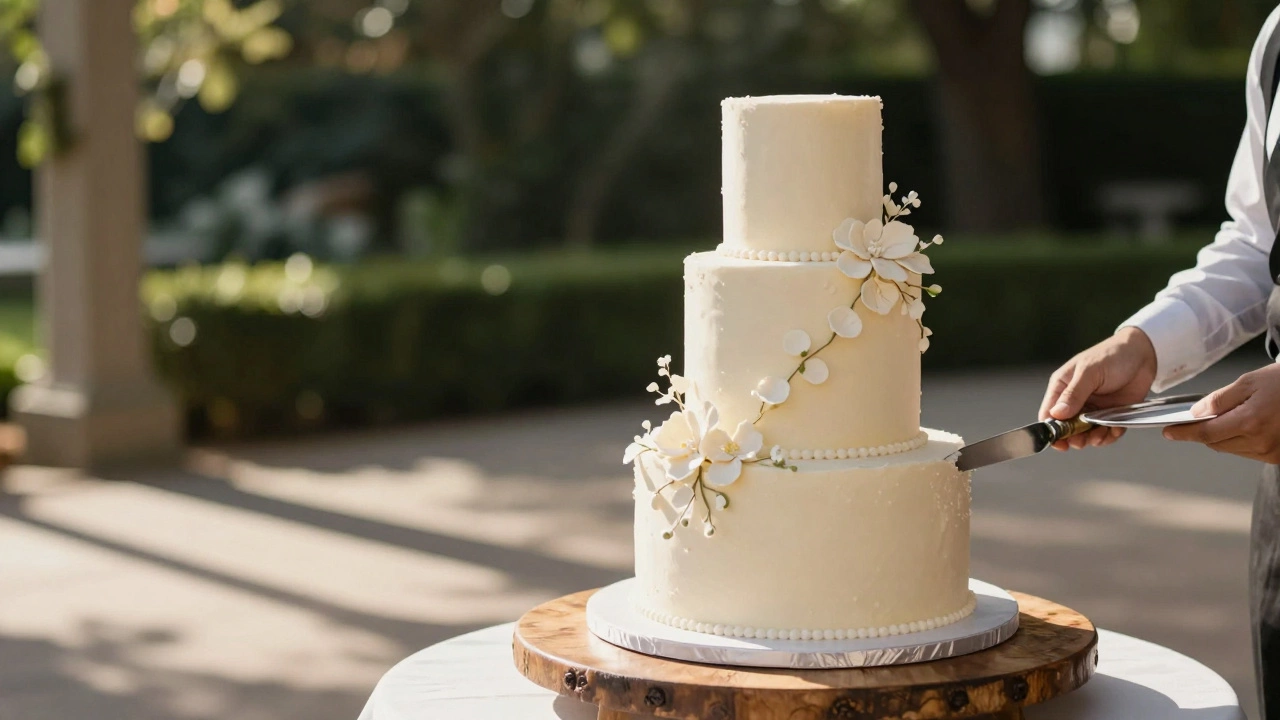
If you have 100 guests coming to your celebration, the rule of thumb is simple: order enough cake for about 105 to 110 people. Why the extra five? Because nobody likes cutting themselves a tiny sliver when everyone else got a generous wedge. Most bakers calculate standard servings as roughly four to six ounces per slice. For a traditional tiered Wedding Cake, this means you are looking at approximately 100 to 120 full servings depending on whether you prefer large, decadent pieces or smaller, polite bites.
We often see couples panic about running out of cake, which leads to expensive over-ordering. But getting the math right allows you to save money and avoid having a leftover sponge cake gathering dust in a freezer three weeks after the honeymoon ends.
Understanding Standard Serving Sizes
Before we jump into calculating tiers, you need to understand what actually constitutes a "slice." In the industry, there are two main ways bakers cut their work. The first is the traditional rectangular cut used for sheet cakes, usually measuring one inch by four inches. This results in roughly four ounces of cake and icing. If you choose a round tiered design, the slices look triangular. A typical piece from a 10-inch round cake yields about eight servings per inch of height, assuming standard layer thickness.
| Type | Dimensions | Weight (Approx) | Yields for 100 Guests |
|---|---|---|---|
| Traditional Square | 1" x 4" x 4" | 4-6 oz | 100 slices |
| Modern Round | Triangle Slice | 2-3 oz | 120-150 slices |
| Heavy/Decadent | Large Wedge | 6-8 oz | 80-90 slices |
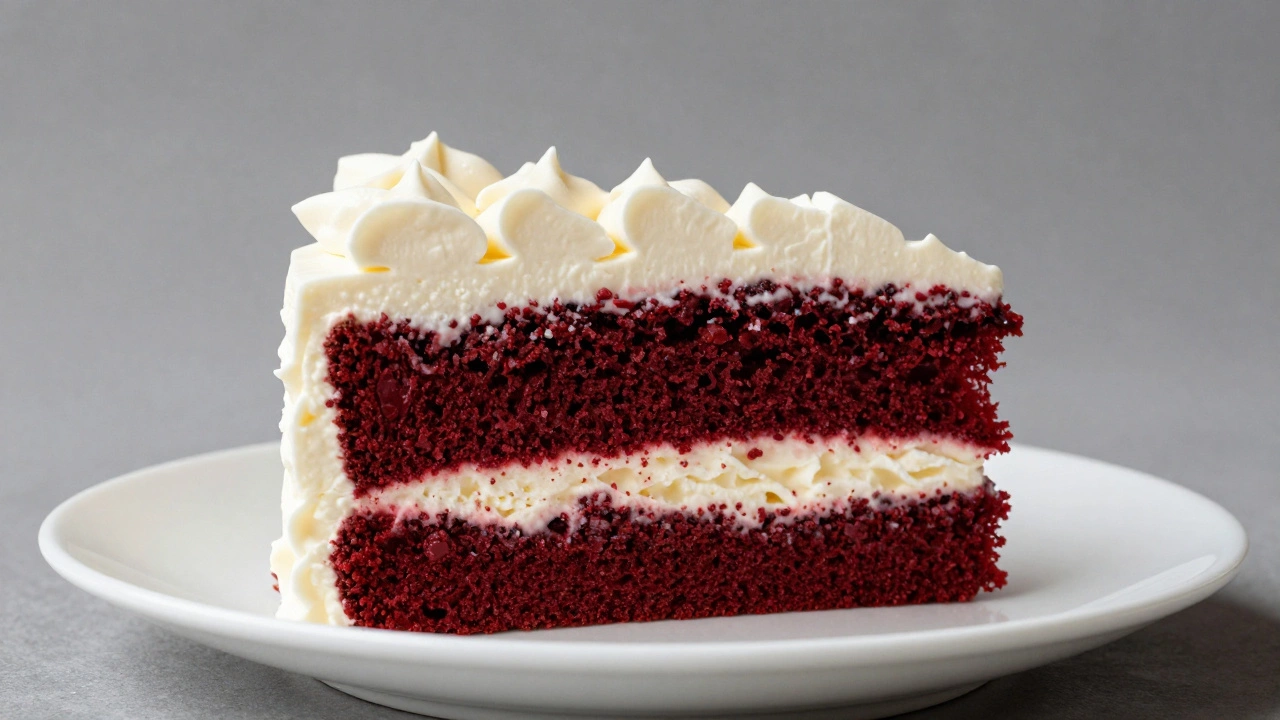
Why does this matter? Because the density of your flavor matters. A dense red velvet or fruit cake feels more filling than a light chiffon sponge. If you know your guests love cake, lean towards the larger serving estimate. If you expect most of them to just take a photo and move on, the smaller portions work perfectly fine.
Calculating Tiers for Your Guest List
Most couples want their cake to look grand, but visual appeal doesn't always equal food value. That is where the concept of hidden layers comes in. When you order a multi-tier cake, ask about dummy tiers versus edible tiers. However, for calculation purposes, we focus on edible volume. Let's map out what 100 servings looks like structurally.
A single six-inch round cake serves roughly 10 to 12 people. An eight-inch serves about 25 to 30. A ten-inch is your workhorse, providing 40 to 50 servings. To reach 100 guests using edible tiers, you might combine a six-inch, an eight-inch, and two ten-inch layers. Alternatively, some bakeries suggest a simpler stack: a four-tier option where the bottom two tiers do most of the heavy lifting for the food count.
Consider the shape factor. Hexagon or square tiers hold fewer total servings than round ones due to corner waste during cutting. If you have a specific aesthetic preference, tell your baker exactly, "I want 100 slices," and let them do the math. They will likely adjust the height of the tiers rather than the diameter to compensate for the loss in surface area.
Is Full Cake Still the Best Choice?
Not every wedding requires a towering display cake. Some couples use a small display version (just one or two tiers for photos) and serve the rest of the crowd via sheet cakes hidden in the kitchen. This hybrid approach is incredibly popular because it keeps costs down while maintaining that high-end look on the dessert table. For 100 guests, you could buy a tiny two-tierer for cutting and a separate 10x14 sheet pan that serves the remaining ninety people.
This strategy also gives you control over flavors. Maybe you want dark chocolate for the display, but vanilla bean for the sheets. It adds variety without confusing the guests. Plus, sheet cakes are faster to distribute to hungry guests waiting in lines. No one wants to wait twenty minutes for the couple to finish cutting a massive tower while their plates sit empty.
Cupcakes and Dessert Bars as Alternatives
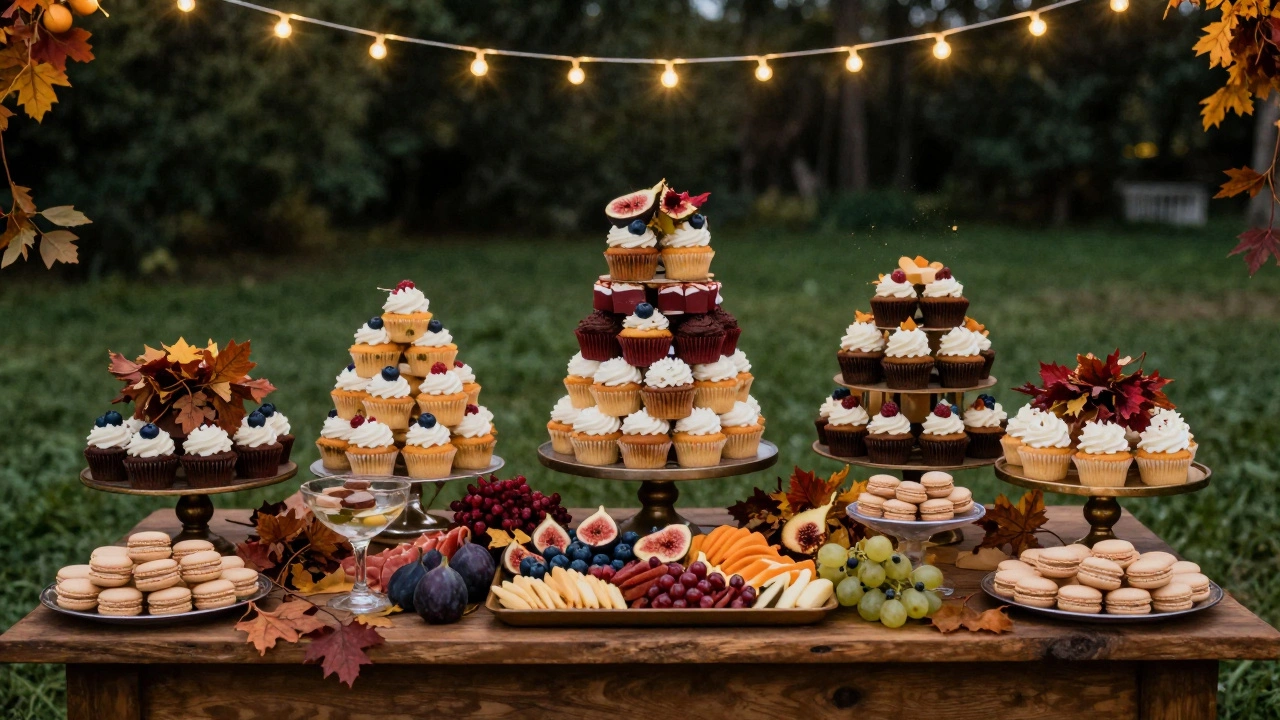
If cutting a tiered cake sounds stressful, consider a dessert bar. For 100 guests, a full cupcake arrangement requires about one cupcake per person plus extras for those who grab seconds. That means ordering roughly 110 cupcakes. While cupcakes offer individual sweetness, they cost significantly more per serving than sliced cake due to packaging and labor. You are paying for individual decoration, napkins, and boxes.
Alternatively, a "Grazing Board" trend has taken off locally here in Auckland. Imagine cheese boards, charcuterie, or fresh fruit arrangements supplementing the sweets. If you mix these savory elements into the buffet, guests eat less sugary confectionery. In fact, studies show that when savory finger foods are presented beautifully alongside desserts, the average consumption of cake drops by nearly 20 percent.
Doughnuts, macarons, and cookie bars are other excellent fillers. They take up less space on the table than a massive cake board but provide similar visual texture. Just remember to check your venue's policies. Some older halls have fire codes prohibiting open flames near doughnut warmers or extensive electrical setups for heated displays.
Budgeting for Portions in New Zealand
Prices vary wildly depending on where you are in the country. In major centers like Auckland, labor costs drive pricing higher than in smaller towns. Typically, you are looking at a range of $15 to $45 per slice for custom artisan cakes. This price includes the design, delivery, and stand rental. If you aim for 100 servings, your budget should start around $2,000 NZD and cap out near $4,500 for premium designer brands. Remember to factor in delivery fees; bringing a fragile multi-tiered structure across the city center incurs logistical risks that bakers charge for.
Don't forget the cake knife and server. Many venues provide these, but checking ahead prevents a scene where the groom uses a dull butter knife to carve through a six-foot structure. Ask if your venue supplies cutlery or if you need to rent a set designed for heavy slicing. Using proper tools makes the ceremonial cutting smoother and creates better photos.
Managing Dietary Restrictions
You cannot ignore dietary needs when planning numbers. Gluten-free, nut-free, or vegan options require separate preparation areas to avoid cross-contamination. It is generally safer to bake a dedicated gluten-free cake entirely separate from the main batch. If you are hosting 100 guests and know you have three or four guests with celiac disease, don't rely on a single "GF slice" sitting alone on the side. Order a separate mini-cake specifically for them so they don't feel singled out while watching everyone else eat regular sponge.
Always clarify these allergies when you send out invitations. Include a line asking guests to inform you of severe allergies. This intel helps your caterer or baker prepare the exact quantity needed, ensuring no waste occurs while still catering safely to your health-conscious attendees.
Frequently Asked Questions
Do I really need to pay for 100 slices if only 80 guests attend?
It depends on the baker. Most bakers sell by weight, so if you book a cake size calculated for 100 people, you pay for that size regardless of attendance. However, if you use a per-serving pricing model, some may refund the difference for uninvited guests or no-shows, though this varies by vendor contract terms.
Can I take leftover cake home from the venue?
Yes, but bring your own box. Venues often do not provide storage containers for leftovers. Make sure to ask the staff to pack any saved slices immediately after dinner before the room gets cleaned. Cold transport is crucial for freshness, so plan a cooler bag for the car ride.
How far in advance should I book the cake?
During peak wedding season, secure your date nine months in advance. Popular vendors get booked fast. Even if you finalize details late, lock in the slot early. Confirm final guest numbers and design choices three months before the wedding to allow time for adjustments.
What happens if my guest count changes?
Most bakers allow last-minute adjustments up to two weeks prior to the event. Increasing the number usually works fine, but reducing the count often requires rescaling tiers, which affects stability. Try to stick to your initial estimate if possible.
Should I feed my photographers and videographers separately?
Absolutely. Their contracts usually mandate a meal for you to provide. While you don't need a slice for them, offering one is a nice gesture. However, professional vendors typically want a substantial meal, so ensure they aren't just eating cake scraps.