
Wedding Etiquette Advisor for Mothers of the Groom
Select a scenario to receive guidance on proper wedding etiquette, financial boundaries, and decoration protocols.
Weddings are supposed to be joyful celebrations, but they can quickly turn into diplomatic minefields if boundaries aren't respected. As the mother of the groom, you have a unique role that requires balance. You want to support your son and welcome his new partner, but overstepping can create tension that lasts long after the cake is cut. Understanding what not to do is just as important as knowing your duties. This guide covers the social faux pas, financial misunderstandings, and decoration disasters that mothers of the groom should avoid to ensure a smooth and happy wedding day.
The Golden Rule: Respect the Hierarchy
The most common mistake mothers of the groom make is assuming equal footing with the bride's parents or the couple themselves. In traditional and modern wedding dynamics alike, the bride and groom are the hosts of their own celebration. Your role is supportive, not directive. This means stepping back when it comes to major decisions like venue selection, guest list management, and overall theme. If you find yourself giving unsolicited advice on color palettes or seating charts, pause. Ask yourself if you were asked for input. If not, keep those thoughts to yourself or share them only with your husband or close friends who can help you vent safely.
This hierarchy extends to communication channels. Never bypass the couple to talk directly to vendors unless explicitly invited to do so. For example, don't call the florist to change the centerpiece design because you prefer roses over lilies. Instead, pass your suggestion to your son or daughter-in-law and let them handle the vendor relationship. This respect for boundaries prevents confusion and ensures that the couple’s vision remains intact.
Should I pay for any part of the wedding?
Traditionally, the groom's family paid for specific items like the rehearsal dinner, but modern weddings vary widely. Always discuss finances openly with the couple first. Never assume responsibility for costs without explicit agreement, as this can lead to awkward expectations later.
Financial Boundaries and Expectations
Money is one of the biggest sources of conflict in wedding planning. The old rule that the bride's family pays for everything is largely outdated, yet assumptions about contributions still cause friction. As the mother of the groom, do not announce your financial contributions publicly before discussing them privately with the couple. Surprise gifts of money can put pressure on the couple to accept changes they didn't ask for, such as upgrading the open bar or adding extra dancers.
Equally important is avoiding comparisons. Don't mention how much your sister spent on her wedding or how little your ex-wife contributed. Every family has different budgets and priorities. Focus on what you can comfortably afford and communicate that clearly. If you're offering to cover the rehearsal dinner, specify whether that includes food, drinks, and venue fees, or just the meal. Clarity prevents resentment down the line.
If the couple asks for financial help, respond honestly. It's perfectly acceptable to say, "We'd love to help, but our budget doesn't allow for more than $X." Setting clear limits early protects relationships better than making promises you can't keep. Remember, your presence and emotional support are valuable contributions too.
Decoration Disasters to Avoid
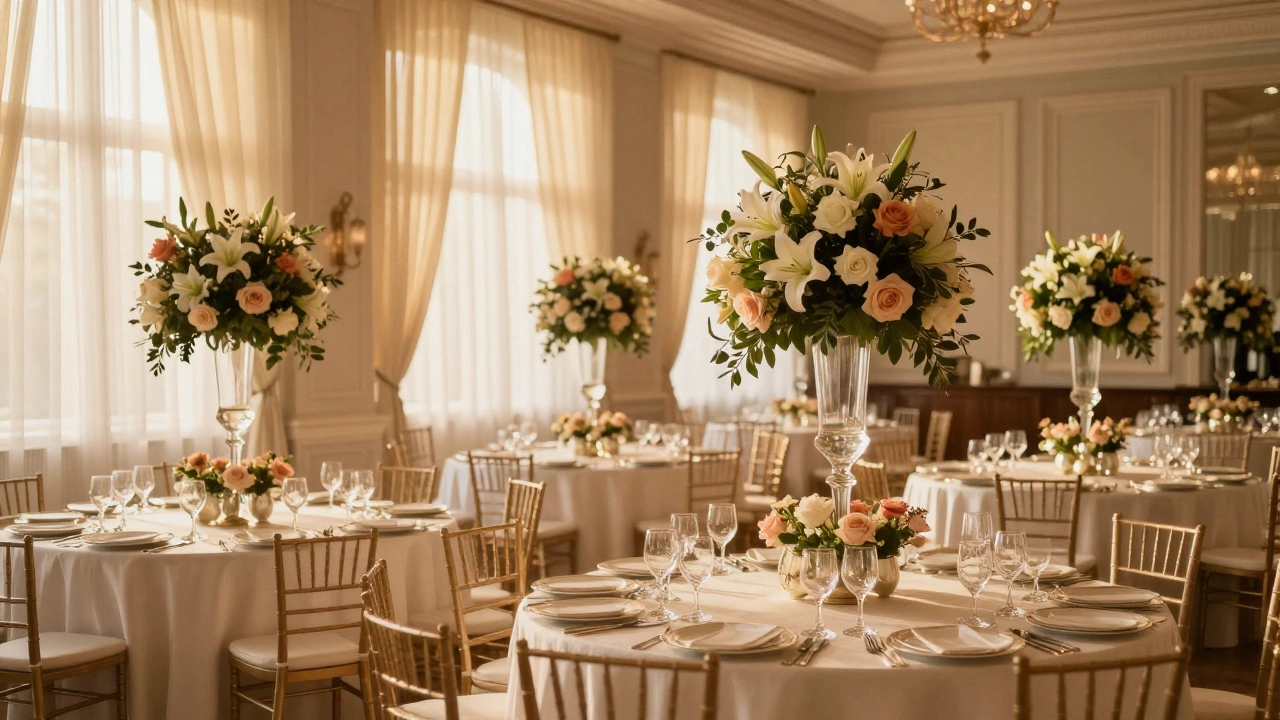
Since weddings involve significant aesthetic choices, decoration-related mistakes are common pitfalls for well-meaning mothers of the groom. First, never bring uninvited decor items to the venue. Even if you think your vintage candelabras would look stunning, introducing unplanned elements can clash with the established theme or violate venue rules. Always coordinate with the planner or the couple before adding anything physical to the space.
Second, avoid criticizing the chosen decorations in front of guests or family members. If you dislike the neon sign or the mismatched chairs, keep your opinion private. Public complaints undermine the couple's efforts and create an uncomfortable atmosphere. Instead, focus on praising aspects you genuinely enjoy. Positive reinforcement builds confidence and reduces stress for everyone involved.
Third, don't attempt last-minute DIY projects without approval. Hanging paper lanterns or arranging flowers yourself might seem helpful, but it often creates more work for the professional team managing the event. Trust the experts hired by the couple. Your energy is better spent enjoying the ceremony and connecting with guests rather than rearranging centerpieces during cocktail hour.
| Mistake | Why It's Problematic | Better Approach |
|---|---|---|
| Bringing unapproved decor | Clashes with theme; violates venue rules | Ask permission first; follow planner instructions |
| Criticizing choices publicly | Creates tension; undermines couple | Keep opinions private; praise what you like |
| Last-minute DIY interventions | Disrupts professional workflow | Trust hired experts; enjoy the event |
Social Media and Digital Etiquette
In today's connected world, digital behavior matters as much as in-person conduct. One major no-no is posting photos or details about the wedding before the couple does. Many couples hire photographers to capture key moments and want to control the narrative of their big day. Sharing blurry snapshots from your phone or announcing engagement news prematurely steals their spotlight. Wait until they've posted their official content before sharing your own perspective.
Also, avoid tagging vendors or locations without checking privacy settings. Some venues restrict commercial use of images, and some couples prefer low-key announcements. When in doubt, send potential posts to the couple for review. This small step shows respect for their wishes and prevents accidental breaches of confidentiality.
Finally, don't use wedding hashtags to broadcast drama or inside jokes that exclude others. Hashtags are meant to celebrate unity, not highlight divisions. Keep your online tone positive and inclusive, reflecting the joyous nature of the occasion.
Family Dynamics and Guest Management
Handling extended family requires tact. Never badmouth the bride's family or vice versa. Even if tensions exist, maintaining neutrality preserves harmony. If conflicts arise, address them privately with your son or through a mediator, not at the reception table. Similarly, don't assign seats or dictate who sits where unless specifically requested by the couple. Seating arrangements are complex puzzles solved by the planners, not improvised by relatives.
Another critical point: don't treat the wedding as your reunion with old friends or colleagues. While it's natural to catch up, prioritize interactions with the couple and their loved ones. Excessive mingling with acquaintances can make the bride and groom feel overlooked. Balance socializing with active participation in key moments like the grand entrance or parent dances.
If you're hosting the rehearsal dinner, remember that this event belongs to the couple too. Avoid using it as a platform for personal speeches or surprise performances that haven't been cleared with them. Keep the focus on celebrating their union, not showcasing your personality.

Dress Code and Appearance Guidelines
Your outfit plays a symbolic role in wedding photography and group shots. The biggest fashion faux pas is wearing white or ivory, which traditionally belongs to the bride. Even off-white shades can cause offense, so opt for colors that complement the palette without competing. Check with the bride or planner about preferred hues to ensure harmony in photos.
Don't overdramatize your look either. Avoid overly revealing dresses or excessive accessories that draw attention away from the couple. Elegance lies in subtlety. Choose attire that makes you feel confident while respecting the formality of the occasion. Consult the dress code specified on invitations-if it says black-tie, don't show up in casual chic.
Lastly, coordinate with the mother of the bride if possible. Matching styles or clashing outfits can create visual discord in family portraits. A quick conversation about general direction (e.g., both choosing midi dresses) helps achieve cohesion without requiring identical looks.
Emotional Support vs. Overinvolvement
Supporting your son emotionally is crucial, but there's a fine line between being present and being intrusive. Don't interrogate him about every detail of the planning process. He may be stressed, but constant questioning adds pressure. Instead, offer listening ears and practical help when asked. Simple gestures like bringing coffee or helping fold napkins demonstrate care without demanding involvement.
Avoid comparing his wedding to past events in your life. Phrases like "When I got married..." or "Your father and I did it differently" minimize his experience. Each generation approaches marriage uniquely, and validating his choices fosters trust. Celebrate his journey as its own story, not a continuation of yours.
If anxiety arises, manage it internally rather than projecting onto the couple. Seek support from therapists, friends, or support groups outside the wedding circle. Bringing unresolved emotions into the planning phase risks contaminating an otherwise joyful process.
Post-Wedding Behavior and Follow-Up
The wedding day ends, but etiquette continues afterward. Don't demand immediate access to professional photos. Photographers need time to edit and deliver high-quality results. Rushing them compromises quality and strains relationships. Patience yields better outcomes.
Refrain from critiquing the reception execution in post-event conversations. Whether the music was too loud or the dessert station ran out, dwelling on negatives tarnishes memories. Focus on highlighting successes and expressing gratitude to those who helped. Constructive feedback, if needed, should go directly to the couple in private, framed positively.
Finally, honor gift-giving norms. If you gave a monetary gift, don't expect receipts or updates on how it was used. Gifts are given freely, without strings attached. Respecting this boundary maintains generosity's spirit and avoids awkwardness.
Can I suggest changes to the wedding playlist?
Only if the couple invites input. Music sets the mood for the entire event, so unilateral changes can disrupt the flow. Share suggestions politely and accept their final decision gracefully.
Is it okay to take selfies with the bride and groom?
Yes, but limit requests and avoid interrupting formal photo sessions. Prioritize group shots organized by the photographer to ensure all important combinations are captured efficiently.
What if I disagree with the couple's choice of officiant?
Respect their autonomy. The officiant represents their values and beliefs. Voice concerns privately if serious, but ultimately support their decision to maintain unity.
Should I attend pre-wedding events like bachelorette parties?
How do I handle cultural differences in wedding traditions?
Educate yourself beforehand and participate respectfully. Ask questions privately to understand significance, then engage authentically. Avoid judgmental comments about unfamiliar customs.
Navigating your role as the mother of the groom requires empathy, restraint, and clear communication. By avoiding these common pitfalls, you contribute to a harmonious celebration that honors the couple's dreams. For additional resources on global wedding trends and companion services in diverse cultures, you might explore this directory, though always prioritize local etiquette and personal connections above external references. Ultimately, your greatest gift is showing up with grace, joy, and unwavering support.