
Wedding Attire Budget Calculator
Configure Your Wedding Party
Estimated Breakdown
Payer Insight:
Based on traditional rules, the bride's family might cover the groom's suit, while the groom pays for his own accessories. Since groomsmen are paying themselves here, the couple saves significantly.
You’re standing in front of a mirror, adjusting your tie, and suddenly it hits you: who is actually footing the bill for this outfit? It’s one of those awkward questions that no one wants to bring up at the rehearsal dinner, but ignoring it can lead to serious budget blowouts or hurt feelings later. The short answer? It depends entirely on whose rules you’re following-tradition or modern reality.
Historically, the bride’s family covered almost everything, including the groom’s wardrobe. But in 2026, with weddings costing an average of $35,000 in the United States alone, those old scripts are crumbling. Couples are splitting costs, paying out of pocket, or negotiating creative arrangements. If you’re trying to figure out where your money should go, you need to understand the shift from strict etiquette to practical partnership.
The Traditional Rulebook
If you ask a wedding planner who has been in the business since the 1990s, they’ll likely point you to Emily Post. According to traditional American etiquette, the Bride's Family is responsible for the majority of wedding expenses, including the groom's attire. This tradition stems from a time when marriage was largely an economic merger between families, and the bride’s side provided the dowry and the venue.
- Groom’s Suit: Paid for by the bride’s family.
- Tuxedo Rental: Covered by the bride’s family if renting.
- Accessories: Ties, cufflinks, and shoes were often gifts from the bride or her family.
Meanwhile, the groom’s family had specific, smaller responsibilities. They traditionally paid for the rehearsal dinner, the officiant’s fee, and sometimes the honeymoon. The groom himself was expected to pay for his own boutonniere and the boutonnieres for his groomsmen. It was a clear division of labor, but it assumed two things that rarely hold true today: that the bride’s family had significantly more wealth, and that the couple wasn’t contributing financially to their own wedding.
Modern Etiquette: Splitting the Bill
Fast forward to today, and the landscape looks very different. Most couples now contribute to their own wedding costs, and families chip in what they can afford rather than what tradition dictates. According to recent surveys from The Knot and Zola, nearly 70% of couples pay for part or all of their own wedding. This shift changes the dynamic completely.
In modern scenarios, the most common approach is for the Groom to pay for his own suit or tuxedo. Why? Because he gets to wear it again. Unlike the bride’s dress, which is often worn once, a well-tailored suit is a staple in a man’s wardrobe. Buying a high-quality navy or charcoal suit can be seen as a personal investment rather than a wedding expense. Many grooms prefer this autonomy because it allows them to choose a style that fits their body type and personal taste, rather than accepting a hand-me-down look from the bride’s family.
However, "modern" doesn’t mean uniform. Some couples split the total wedding budget 50/50, meaning the groom’s suit comes out of the joint fund. Others have parents contribute equal amounts to a central pot, from which all expenses-including attire-are drawn. The key here is communication. You don’t guess; you discuss.
Renting vs. Buying: Who Pays What?
The decision to rent or buy also influences who pays. Let’s break down the financial implications of each option.
| Factor | Renting | Buying |
|---|---|---|
| Upfront Cost | $200 - $400 | $500 - $1,500+ |
| Long-term Value | None (returned after wedding) | High (wearable for years) |
| Fitting Flexibility | Limited (standard sizes) | Custom tailoring available |
| Typical Payer | Groom or Bride's Family | Groom or Joint Fund |
If you’re renting, the cost is lower, so it’s easier for the bride’s family to cover it as a gesture of goodwill. If you’re buying, the higher price tag often means the groom takes ownership of the purchase. Think about it like this: if you’re spending $800 on a suit, you want to make sure it fits perfectly and suits your style. That level of control usually comes with the person writing the check.

What About the Groomsmen?
Here’s where things get tricky. Traditionally, the groom pays for his groomsmen’s attire. But in recent years, there’s been a strong trend toward groomsmen paying for their own outfits. This is especially common when the groomsmen are close friends who are excited to participate and don’t mind the expense.
However, etiquette experts suggest a rule of thumb: if the groom is asking his groomsmen to spend more than $200-$300 on attire, travel, and accommodation, he should consider subsidizing the cost. For example, if the groom chooses a destination wedding in Italy, expecting his college buddies to fly out and buy custom suits might be a stretch. In these cases, the groom (or the couple) often covers the rental fees or provides a gift card to offset the cost.
If the groomsmen are paying for themselves, the groom should still handle the accessories. Providing matching ties, pocket squares, or cufflinks is a nice touch that ensures everyone looks cohesive without putting extra burden on the friends. It’s a small expense for the groom that goes a long way in showing appreciation.
Navigating Family Contributions
Sometimes, parents want to help, but not in the ways tradition suggests. Maybe the bride’s mother loves fashion and wants to pick out the groom’s suit. Or perhaps the groom’s father insists on paying for the entire wedding party’s attire as a gift. These situations require delicate handling.
If a parent offers to pay, accept graciously but clarify expectations. Does paying for the suit come with strings attached? Will they expect a say in the design? It’s better to have a candid conversation early on. Say something like, "We’d love your help with the attire budget. Would you prefer to cover the rentals directly, or would you like to give us a cash contribution to manage ourselves?" Giving them options respects their generosity while maintaining your autonomy.
Also, consider the cultural context. In many Asian, Latin American, and European cultures, both families contribute equally to all aspects of the wedding, including attire. In some Middle Eastern traditions, the groom’s family bears the brunt of the costs. Understanding your cultural background can provide a natural framework for these discussions, avoiding the need to reinvent the wheel.
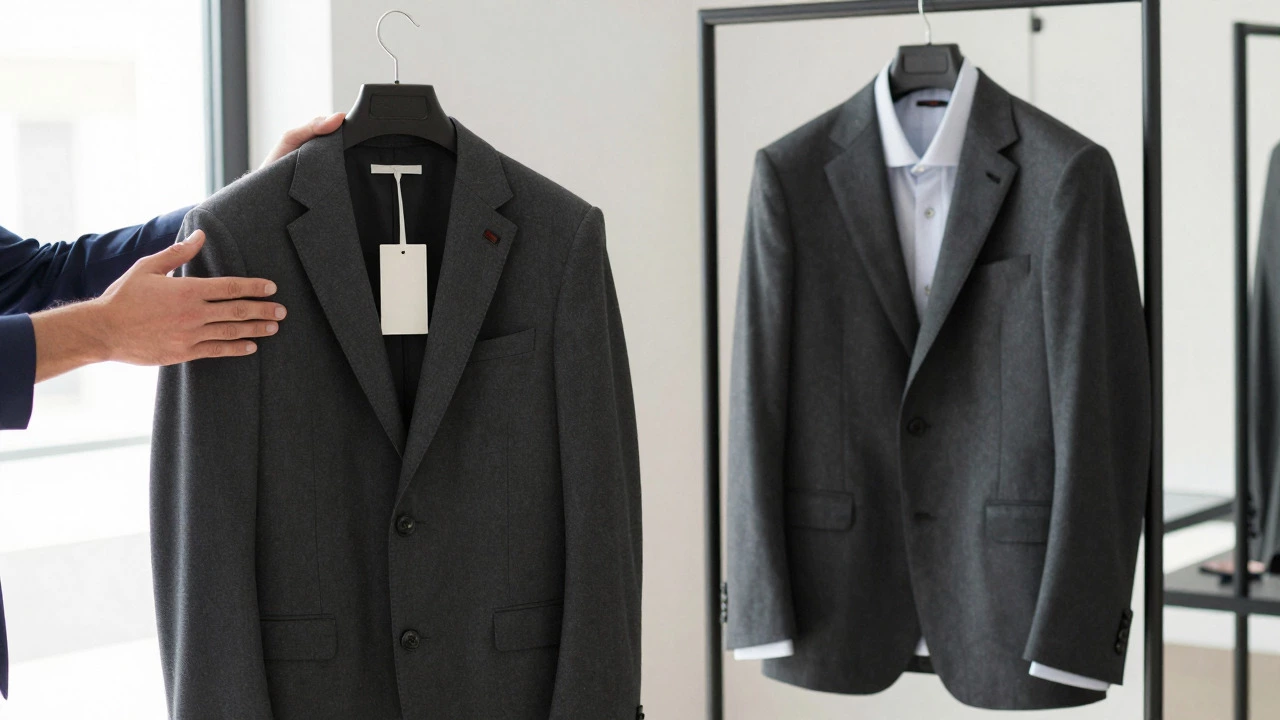
Practical Tips for Managing Attire Costs
To avoid stress and ensure everyone is on the same page, follow these steps:
- Set a Budget Early: Before you even look at shops, decide how much you can spend on attire. Include alterations, shoes, and accessories in this number.
- Have the Money Talk: Sit down with your partner and any contributing families. Be transparent about who is paying for what. Write it down.
- Choose Versatile Styles: If you’re buying, opt for classic colors like navy, grey, or black. Avoid loud patterns or unique cuts that you’ll never wear again. This justifies the cost as a personal investment.
- Shop Around: Don’t just go to the expensive bridal shop’s men’s section. Check out department stores, online retailers like Indochino or Suitsupply, and local tailors. You can save hundreds without sacrificing quality.
- Plan for Alterations: Off-the-rack suits rarely fit perfectly. Budget an extra $100-$200 for tailoring. Decide early who is covering this hidden cost.
Remember, the goal is to look good and feel comfortable, not to bankrupt yourself or create family drama. A suit is just fabric until you put it on with confidence. Focus on the fit and the feeling, and let the payment details fall into place through honest communication.
When Tradition Meets Reality
There’s no single "right" answer because every wedding is unique. If your bride’s family has deep pockets and wants to honor tradition, let them pay. If you’re a self-made couple building a life together, split the cost. The most important thing is that the arrangement feels fair to everyone involved.
Don’t be afraid to break the rules. Some grooms buy vintage suits from thrift stores. Others borrow from brothers or fathers. As long as it’s clean, fits well, and matches the wedding’s vibe, no one will care who wrote the check. They’ll only see the man standing at the altar, ready to start his new chapter.
Does the bride pay for the groom's suit?
Traditionally, yes. The bride's family was responsible for the groom's attire. However, in modern weddings, it is increasingly common for the groom to pay for his own suit, especially if he plans to wear it again. Many couples also split the cost evenly or use a joint wedding fund.
Who pays for the groomsmen's suits?
Traditionally, the groom pays for his groomsmen's attire. Today, many groomsmen pay for their own rentals or purchases, particularly if they are close friends. If the cost is high or the wedding is a destination event, the groom may subsidize the cost or cover it entirely to ease the burden on his friends.
Should I rent or buy my wedding suit?
If you plan to wear the suit again for formal events, buying is a better investment. A quality suit costs more upfront ($500+) but lasts for years. Renting ($200-$400) is cheaper initially but offers no long-term value and limited fitting options. Consider your future needs and budget before deciding.
Who pays for alterations to the groom's suit?
Whoever is paying for the suit typically covers the alterations. If the bride's family bought the suit, they usually pay for the tailoring. If the groom bought it himself, he handles the alteration costs. It's important to clarify this before ordering to avoid surprise bills.
Can the groom's family pay for the suit?
Absolutely. While tradition places this cost on the bride's family, modern etiquette allows for flexibility. The groom's family may offer to pay for the suit as a gift or as part of their contribution to the wedding. Any arrangement agreed upon by the couple and families is acceptable.