Bridal Car Seating Planner
Answer a few quick questions to find the perfect seating arrangement for your big day.
1. Vehicle & Space
2. Tradition & Preferences
You’ve booked the stunning vintage Rolls-Royce or the sleek modern limo. You’ve coordinated the flowers to match the upholstery. But as the big day approaches, a surprisingly common panic sets in: who actually rides in the bridal car?
It sounds simple, but getting this wrong can cause real friction on your wedding day. Maybe your mother-in-law expects to sit with you, but your best friend has already claimed the back seat. Or perhaps you assumed the groom would join you for the ride to the venue, only to realize tradition dictates he travels separately. This isn’t just about comfort; it’s about managing expectations, respecting family dynamics, and ensuring your arrival feels like the royal entrance you envisioned.
The Traditional Rule: Bride Alone (or With Dad)
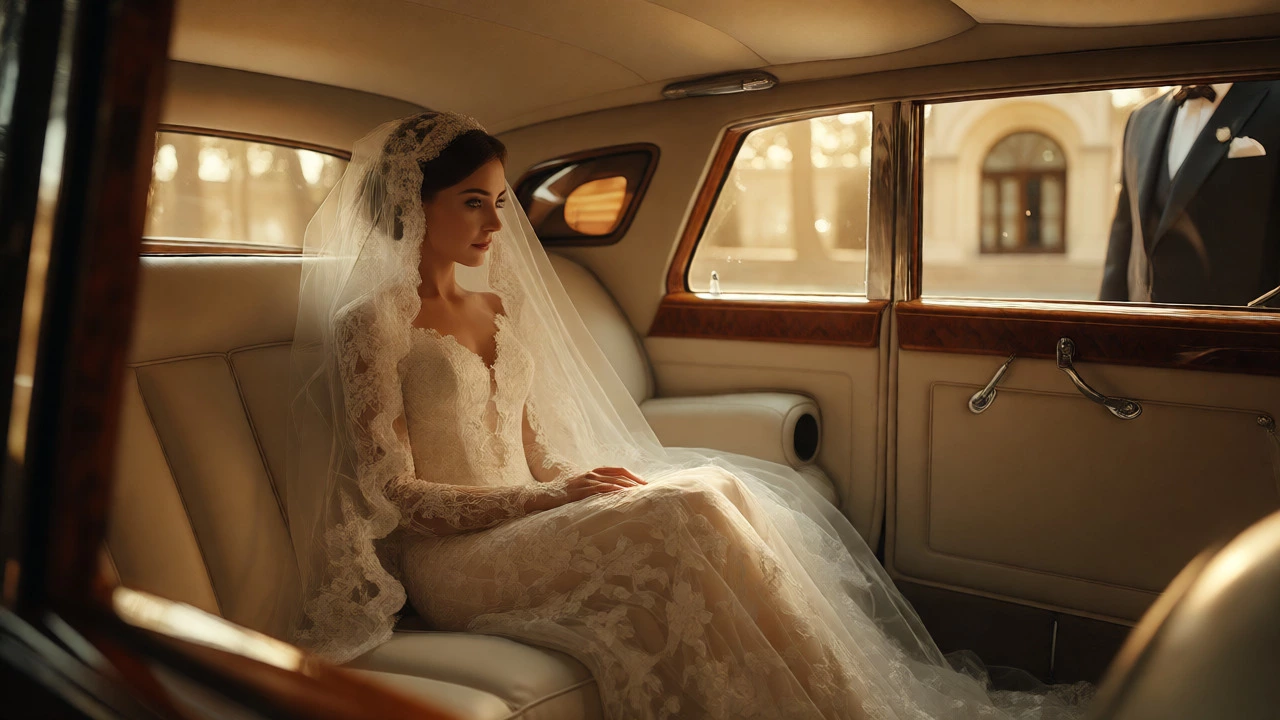
Let’s start with the classic standard because it’s the baseline most people expect if they haven’t been told otherwise. In traditional Western weddings, the Bride is the central figure of the ceremony who typically arrives at the venue alone or accompanied by her father. The idea is that the groom should not see the bride before the ceremony, so they travel in separate vehicles.
If you choose this route, the seating arrangement usually looks like this:
- Front Seat: Chauffeur.
- Back Seat: The Bride (and optionally, her Father).
Why does this persist? It creates a dramatic moment. When that door opens, all eyes are on you. If you have a long veil or a voluminous gown, having fewer people in the car means less risk of accidental damage during transit. Plus, it gives you five minutes of quiet breathing room before you walk down the aisle. If your father walks you down the aisle, he often rides with you to ensure his suit stays crisp and his nerves stay steady.
The Modern Twist: Who Else Can Join?
Tradition is a guide, not a law. Many couples today prioritize practicality and emotional support over rigid rules. So, who else might hop in the bridal car?
The Maid of Honor or Best Friend
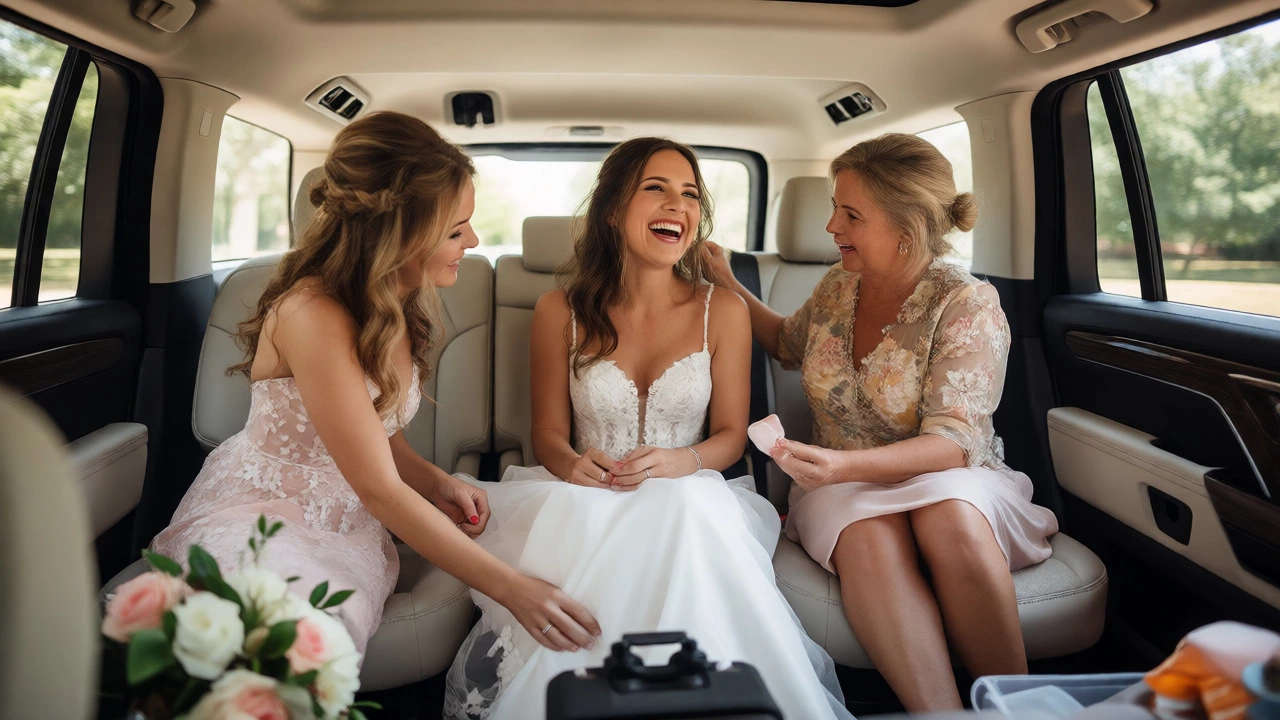
This is arguably the most common deviation from the "bride alone" rule. Having your Maid of Honor is the chief attendant of the bride who assists with preparations and emotional support ride along can be a lifesaver. She can help adjust your train, hand you tissues if you get teary-eyed, or simply keep you calm if you’re feeling anxious.
However, consider the space. If you’re wearing a ballgown with a hoop skirt, adding another person might make the back seat feel like a sardine tin. Check the dimensions of your chosen vehicle. A standard sedan might fit two women comfortably, but a compact luxury coupe might not fit two plus a large bouquet.
The Mother of the Bride
In many cultures, particularly within Asian, Middle Eastern, and some European traditions, the Mother of the Bride is a key family member who often accompanies the bride to symbolize familial blessing and support rides in the bridal car. This is a beautiful gesture of inclusion. If your mom is deeply involved in your planning and you want her close, this is a lovely option.
Just be mindful of dynamic. If your mom tends to fuss over details, having her in the car might mean constant adjustments to your hair or dress right up until you step out. Decide beforehand if you want that level of proximity or if you’d prefer she waits at the venue.
Siblings or Junior Bridesmaids
Do you have a younger sister who is your junior bridesmaid? Or a brother who wants to be part of the action? Sometimes, siblings ride together in the bridal car. This works well if the kids are young and need supervision, or if they are older and you simply enjoy their company. It turns the ride into a mini party rather than a solemn procession.
What About the Groom?
This is where confusion often spikes. Does the groom ride with the bride?
In strict traditional etiquette, no. The groom travels with his Best Man is the principal male attendant who supports the groom during the ceremony and reception and possibly his fathers or ushers. They arrive first, set up at the altar, and wait for the bride.
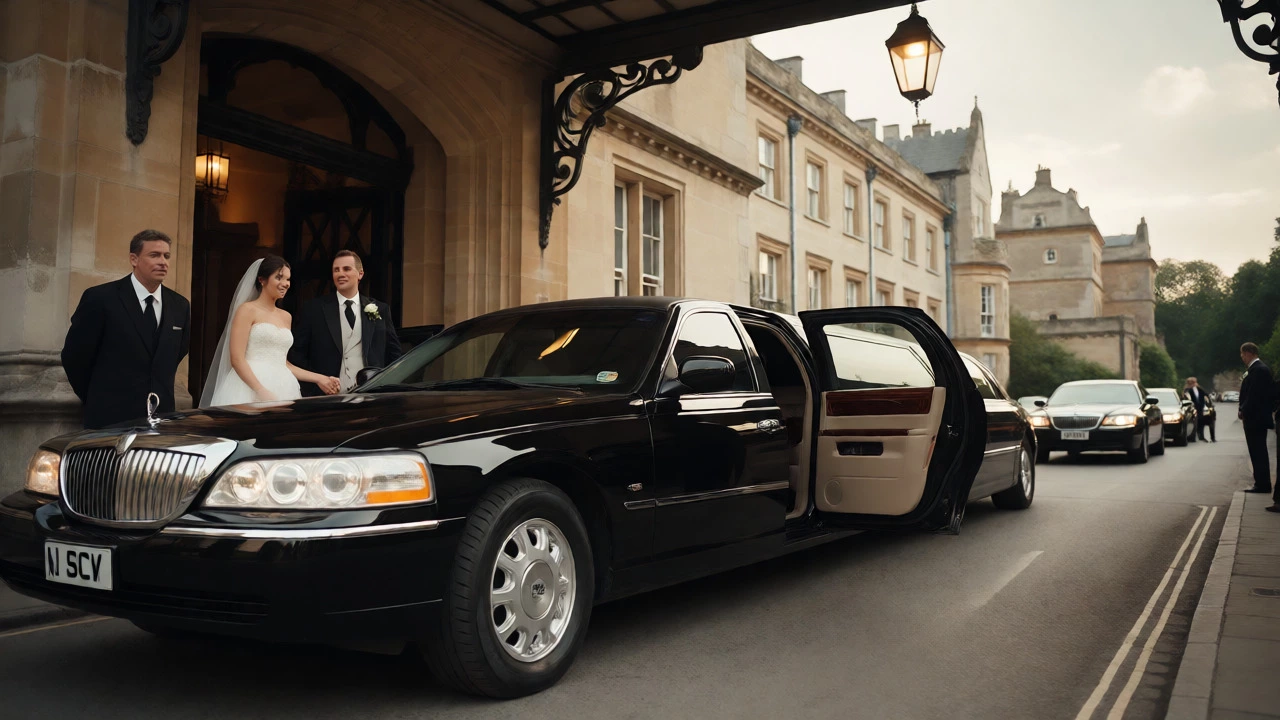
But what if you don’t care about the "don't see each other" superstition? Plenty of modern couples do. If you and your partner are comfortable seeing each other before the ceremony, you can absolutely share the ride. Some couples even book one large vehicle (like a stretch limo or a spacious SUV) for both parties, arriving together to save money and reduce stress.
If you choose to ride together, here’s how to manage it:
- Coordinate Timing: Ensure everyone is ready at the same time. If the bride takes longer to put on shoes, the groom shouldn’t be left waiting awkwardly in the car.
- Space Planning: You’ll likely need a larger vehicle. A standard four-seater won’t fit a couple plus attendants comfortably.
- Photo Opportunities: Riding together offers great candid photo moments inside the car, which photographers love.
The Logistics Checklist: Avoiding Day-Of Chaos
Deciding who rides is only half the battle. You also need to figure out the mechanics of getting everyone there without turning your wedding day into a logistical nightmare.
| Scenario | Who Rides in Front (Bridal Car) | Who Rides Behind (Followers) | Best For |
|---|---|---|---|
| Traditional Solo | Bride (+ Father optional) | Groom, Parents, Guests | Classic ceremonies, dramatic entrances |
| Support Squad | Bride + Maid of Honor/Mom | Rest of bridal party, guests | Nervous brides, practical assistance needed |
| Couple Together | Bride + Groom | Parents, Wedding Party | Modern couples, budget-conscious, relaxed vibe |
| Full Entourage | Bride + MOH + Mom + Sister | Groom + Best Man | Large families, close-knit groups |
1. Communicate Early and Clearly
Don’t leave this decision to the morning of the wedding. Tell your driver, your photographer, and your wedding coordinator exactly who is sitting where. Send a simple text or email to the participants: "Hey! Just confirming that you’re riding with me in the main car." This prevents anyone from assuming they’re supposed to follow in a separate cab.
2. Consider the Vehicle Size
Audi A8s and Mercedes S-Class sedans are popular choices, but they aren’t infinite. Measure your dress. If you have a cathedral-length train, you might need a van or a converted bus to accommodate you and two others without crushing the fabric. In Auckland, where we have a mix of tight city streets and open highways, a smaller car might be easier to maneuver, but a larger vehicle offers more comfort for passengers.
3. Plan for the Return Trip
Many people forget about the ride home. Will you go straight to the reception? To the hotel? To a photoshoot location? Usually, the bridal car returns later to pick up the newlyweds for the evening. Clarify this with your transport provider. Do you need the car to stay on standby, or will you call for a new service? If you plan to escape for a private dinner after the reception, ensure the car is available then too.
Cultural Nuances You Should Know
If you come from a multicultural background, your expectations might differ significantly from the Western default. Here are a few examples:
- South Asian Weddings: Often involve a Baraat, where the groom arrives in a decorated car or horse-drawn carriage with dancing relatives. The bride’s family may send a car to escort the groom, or vice versa. Family members frequently fill the cars, creating a convoy atmosphere.
- Chinese Traditions: The number eight is lucky. Couples might arrange for eight cars in the convoy. The bride often rides with her maid of honor or female relatives, while the groom rides with his groomsmen. Red envelopes are sometimes exchanged in the car.
- Jewish Traditions: While customs vary, it’s common for the parents of the bride and groom to ride together in a separate car ahead of the couple, symbolizing the joining of two families.
Always check with your elders. What seems like a small seating choice might carry significant symbolic weight in your community.
Pro Tips for a Smooth Ride
Once you’ve decided who rides, here are a few hacks to make the experience enjoyable rather than stressful.
Temperature Control: Cars can get hot quickly, especially with multiple people and heavy fabrics. Ask the driver to pre-cool the car ten minutes before pickup. Bring a small handheld fan if you’re prone to sweating under layers of tulle.
Snacks and Hydration: Wedding days are marathons. Keep water bottles and light snacks (like granola bars or chocolates) in the car. Your maid of honor will thank you when she realizes she hasn’t eaten since breakfast.
Music Matters: Don’t let the driver dictate the playlist. Create a short, upbeat playlist for the ride to the venue to boost morale, and a softer one for the return trip if you’re tired. Bluetooth pairing can be finicky, so download the music offline to avoid buffering issues.
Emergency Kit: Have a small bag in the car with safety pins, stain remover wipes, makeup touch-up supplies, and extra bobby pins. If something goes wrong en route, you can fix it without panicking.
Final Thoughts: It’s Your Day
There is no single "right" answer to who rides the bridal car. The best arrangement is the one that makes you feel supported, comfortable, and excited. Whether you choose to ride solo for the drama, with your bestie for the laughs, or with your spouse for the partnership vibes, communicate your choice clearly and stick to it.
Remember, the goal is to arrive at your venue looking radiant and feeling calm. Choose your co-passengers wisely, pack smart, and enjoy the ride. After all, it’s one of the few times in life where someone else drives, and you get to relax and look beautiful.
Can the groom and bride ride in the same car?
Yes, absolutely. While tradition suggests they travel separately to maintain the surprise element, many modern couples choose to ride together. This saves money on transport and allows for shared relaxation time before the ceremony. Just ensure the vehicle is large enough to accommodate both comfortably.
Who sits in the front seat of the bridal car?
The front passenger seat is typically reserved for the chauffeur or driver. However, if you hire a self-drive car, the bride or groom might drive. In professional wedding transport services, the front seat is almost always for the driver to ensure privacy and security for the passengers in the back.
Does the father of the bride ride with the bride?
This depends on personal preference and cultural norms. Many brides choose to have their father ride with them to the venue so he can accompany her from the car to the aisle. Others prefer to ride alone for a moment of peace, meeting their father at the venue instead.
How many people can fit in a standard bridal car?
A standard luxury sedan (like a Mercedes E-Class or BMW 5 Series) usually fits two adults comfortably in the back seat. If you have a large wedding dress, you may only fit one person. For three or more passengers, consider a stretch limousine, a luxury van, or an SUV.
What happens if we run late due to traffic?
Professional wedding drivers are trained to handle delays. They usually build in buffer time into the schedule. If traffic is unexpectedly bad, the driver will communicate with your wedding coordinator to adjust the timeline slightly. Always share your itinerary with the driver in advance so they know the critical deadlines.