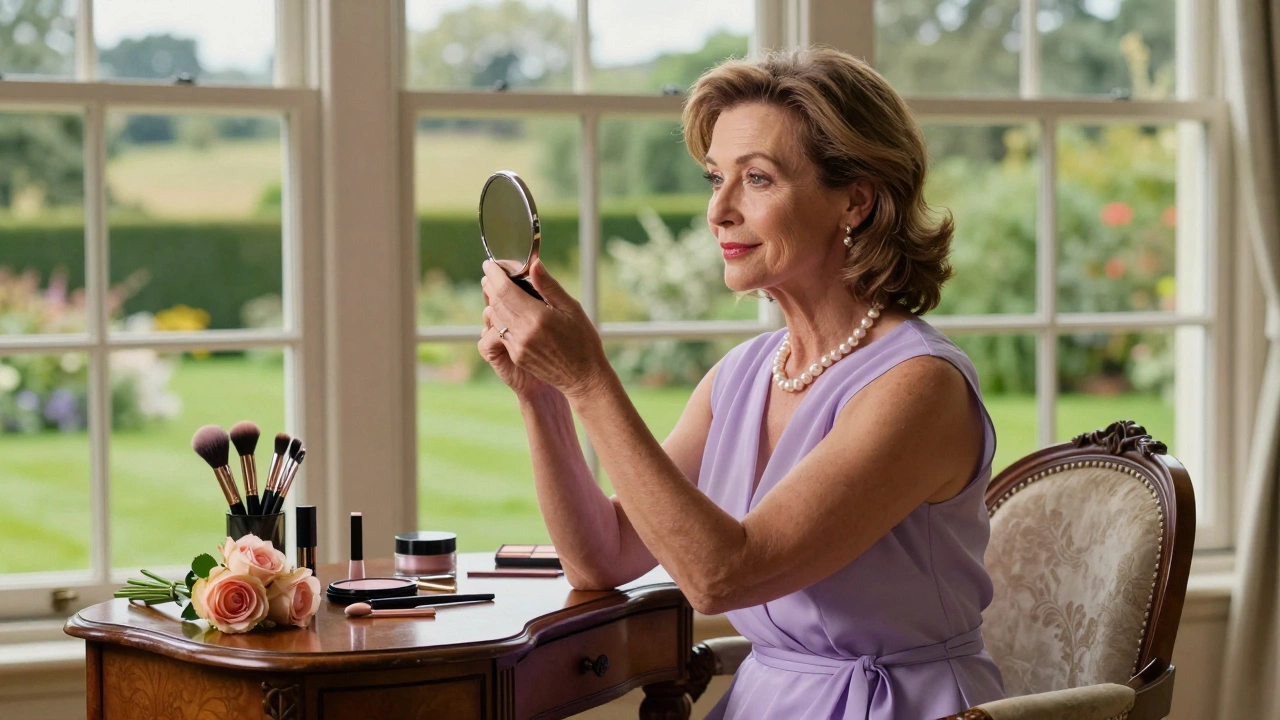
Wedding Makeup Payment Guide
Use this guide to navigate the delicate conversation of who pays for beauty services on your special day.
Recommendation
Quick Tips:
- • Ask about payments 3 months prior.
- • Treat payment as a gift, not a mandate.
- • Clarify travel fees separately.
One of the trickiest parts of wedding planning isn’t finding the venue-it’s figuring out who foots the bill when the big day rolls around. You want your mother to look stunning in photos, but you’re worried about stretching your wedding budgeta financial plan created to track and manage the total expenses associated with planning and executing a wedding event. Specifically, the question of who handles her beauty costs often causes silent friction between family members. Here is the simple truth: traditionally, the mother of the bride pays for her own makeup, but modern etiquette allows for flexibility depending on your relationship and finances.
The Traditional Rule: Who Covers the Cost?
If you follow strict traditional etiquette, the answer is straightforward. In standard Western wedding customs, every member of the wedding party covers their own attire-related expenses. This rule applies to the dress, shoes, and yes, professional hair and makeup services. The logic behind this is that the beauty service is considered part of the mother's personal grooming for the event, similar to purchasing her outfit.
This tradition exists because the Mother of the Bridethe mother of the woman getting married, typically considered a senior figure in the wedding ceremony usually has significant autonomy over her look. Unlike the bride, who needs to match her makeup to the overall theme, or the bridesmaids, who need to coordinate colors, the mother often chooses her style independently. Because she is making those aesthetic choices for herself, the expectation has long been that she manages the cost of execution.
Think of it like buying a gift for yourself. When she hires a stylist to apply the makeup, she is purchasing a service that enhances her appearance specifically for her enjoyment and presence at the event. In many formal guidelines, the only expenses the parents cover directly for the couple are the rehearsal dinner or the bride's bouquet. Everything else falls under individual responsibility unless stated otherwise.
When Should the Bride Pay Instead?
Society is shifting away from rigid rules, and now etiquette is more about generosity than obligation. There are several scenarios where it makes sense for the bride or the couple to cover the mother’s makeup tab. Consider taking ownership of this cost if you have a strong desire for a specific aesthetic result. If you know exactly what you want her face to look like in the photos to match the bridal party palette, offering to pay ensures she agrees to the artist's vision rather than resisting due to price.
Another major factor is budget disparity. If the mother lives on a fixed income and you have a robust wedding fund, insisting she pay can feel insensitive. In 2026, professional beauty services have risen in price. A standard session including trial and application can easily run $250 to $400. If that is a significant pinch for her savings, stepping in shows care and respect. It also prevents resentment later if she feels priced out of participating fully in the preparation ritual.
You might also choose to pay as a thank-you gift. Many couples send flowers or jewelry to their parents, but covering a service they would likely spend money on regardless is a practical way to give back. It alleviates stress for her on top of the excitement of having a child walk down the aisle. If you decide to treat her to this service, frame it clearly as a gift, not a requirement for her attendance.
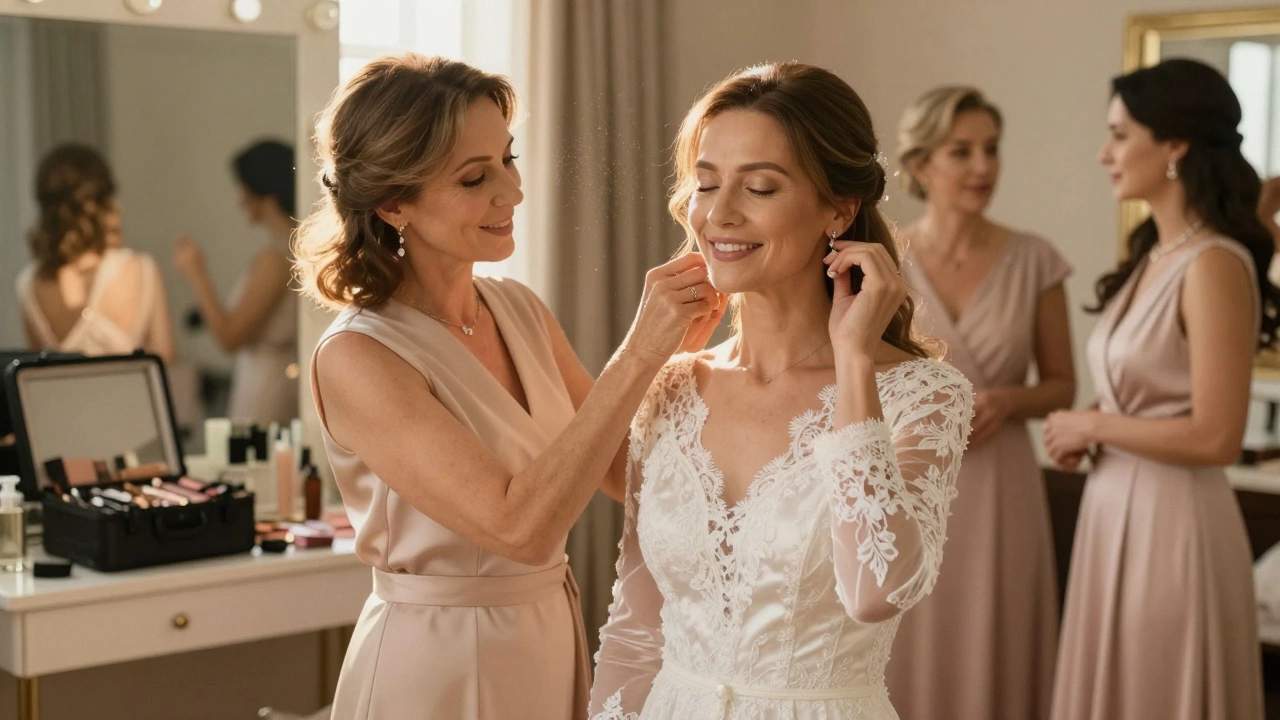
Navigating the Bridal Party Package Deal
A common situation that complicates payment is when the makeup artist offers a package deal for the whole room. Artists love block bookings because they save time traveling between locations. They often charge less per head when doing the bride, bridesmaids, and mothers together. The problem arises when the pricing is bundled.
If the artist charges $2,000 for four people, splitting that evenly puts the burden on individuals to find their share. However, sometimes the bride books the entire suite to lock in a discount. In this case, it becomes a gray area. While you saved money collectively, the invoice still lists multiple names. To avoid confusion, you should clarify the split before paying the deposit. Ideally, you book the slot but ask everyone to remit their portion before the final balance is due.
Some artists even refuse to work individually once a group is booked, meaning if the mother backs out of paying, it could jeopardize the schedule for everyone. It is critical to get the contract signed with clear payment responsibilities. Most vendors prefer one credit card for the full total, then invoices sent internally. Decide early if you will absorb that administrative headache or pass the cards to your family members.
Hair Versus Makeup Services
Often, beauty comes in pairs. Most Professional Makeup Artista skilled technician hired to apply cosmetics and styling products for special events or photography sessions packages include hair styling. It streamlines the morning routine. But does the payment rule change if we separate them? Yes, it can depend on whether it's a "get ready" package or a standalone touch-up.
Full hair and makeup done on-site is a luxury. For some families, this is non-negotiable for consistency. For others, just a quick curl and mascara is enough. If the mother is willing to pay for her dress, she might balk at adding a $300 hair fee on top of it. Conversely, if she is hiring her own stylist for a separate session, you generally shouldn't expect her to pay yours too. Consistency matters here-if you are paying your own hair stylist and hers, you should probably pick up her makeup tab to keep things level.
There is also the issue of the trial run. Trials are often separate costs ranging from half price to full price. If she attends a trial to test the look, that is almost always on her dime unless you explicitly invite her to one included in your master booking. Do not assume a trial is free; most artists view that as valuable consultation time lost from other clients.
| Scenario | Traditional Etiquette | Modern Approach |
|---|---|---|
| Mother's Makeup Cost | Mother of the Bride | Bride may offer as a gift |
| Shared Room Service | Split 50/50 per person | Bride books, everyone reimburses |
| Trial Session | Client pays | Often guest of the bride |
| Travel Fees | Individual pays | Couple absorbs for convenience |
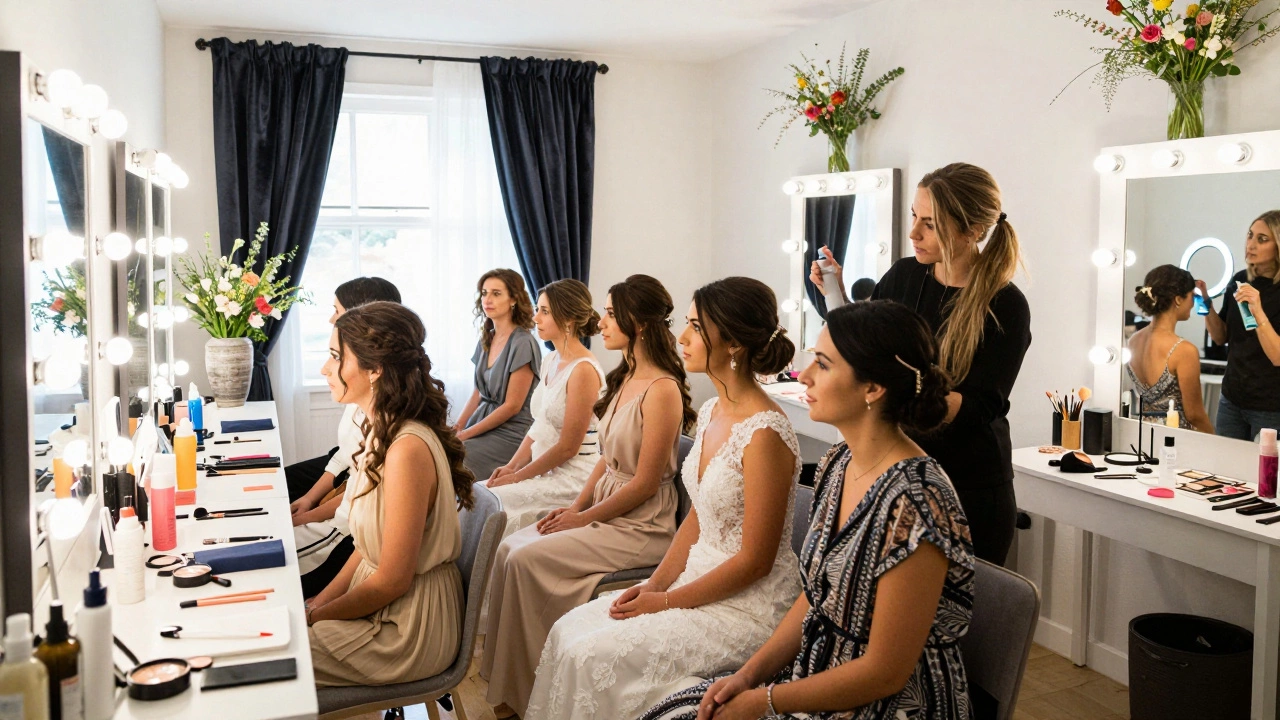
How to Discuss Money Without Awkwardness
Bringing up money is never comfortable, especially with family. The goal is to be clear so there are no surprises on the day-of invoice. Timing matters immensely. You should have this conversation at least three months before the wedding. If you wait until two weeks prior, options are limited, and pressure mounts.
Start the conversation by focusing on logistics rather than dollars. Ask, "Mom, have you thought about who will do your hair and makeup yet?" Her answer will tell you a lot. If she says, "Not really," you can pivot to, "We're looking at a few artists who might fit our vibe. Would you like to try one with us, or hire someone separately?" This opens the door for you to offer the package without putting a price tag on it immediately.
If money is tight, honesty is better than vague promises. You can say, "I'd love to treat you to the makeup team since I want us all coordinated, but if that doesn't fit the budget, I'm totally fine with you arranging your own." This gives her an easy "out." She can accept your offer gracefully or decline without feeling burdened by the rejection. Clarity prevents hurt feelings down the line when bills arrive.
Avoid guilt trips. Phrases like "It will be weird if you aren't there" manipulate her decision. Stick to preference and aesthetics. Focus on the visual outcome for the group photos. If she decides to go solo, ensure she coordinates with you on timing so you don't miss your prep window together.
Pitfalls to Avoid When Planning Beauty
One mistake couples make is assuming the vendor list is interchangeable. Not every makeup artist can do hair, and not all specialize in older skin tones which might require different techniques or lighting conditions. If you assign her to find her own provider, ensure she knows the deadline for booking. Good artists book up six to nine months in advance. If she waits until July for a June wedding, she gets stuck with whoever is left.
Another risk is mismatched vibes. If you have a glam, matte-finish heavy makeup look and she does soft, glowing natural skin, the photo set will look disjointed. Even if she pays, you should encourage her to meet with *your* artist. Your artist knows the lighting, the dress color, and the filter settings being used. Suggesting she book a consult with your pro ensures the visual harmony you seek. If she prefers a different artist, that's fine, just ensure the styles aren't clashing wildly.
Finally, remember the hidden costs. Travel fees can add another $50-$100 depending on the location. Tip percentages are standard for personal care staff ($15-$20% of service). Clarify if these extras are expected to be paid by the client or the host. Some contracts state the tip is covered by the house rate for the venue's convenience, but freelancers rely on tips. Be transparent so no one assumes they will be asked to cash out on the day itself.
Does the mother of the groom pay for her makeup?
Generally, yes. The same etiquette rules apply to both sides of the family. The mother of the groom covers her own attire and beauty costs, though the couple often picks up the tab as a gesture of thanks.
Can I make my mom pay for her makeup?
You certainly can, as it aligns with traditional etiquette, provided you discuss it early and openly. Just be aware that insisting on this when she expects a gift might cause strain.
Is the makeup trial usually free?
No, trials rarely come free. They are billed as consultations. However, some artists waive the fee if you proceed to book the actual wedding service with them.
What happens if I book a group package but Mom backs out?
Group rates rely on volume. If she cancels late, you might lose the discount or owe the balance for the missing slot. Review the cancellation policy strictly before locking in numbers.
Should I give her a gift instead of paying for makeup?
That is a very valid alternative. If the beauty service is mandatory, a separate gift card or accessory can serve the same function of appreciation without dictating her spending choices.