Wedding Budget Priority Analyzer
Core Experience (60%)
Venue, Catering, Coordination, DrinksAesthetics (40%)
Flowers, Attire, Decor, PhotographyOne-Day Items (Low ROI)
Favors, Custom Stationery, Temporary DecorBudget Analysis
Quick Takeaways
- Prioritize items that impact the guest experience (food, atmosphere, comfort).
- Avoid overspending on "one-day" items like expensive linens or disposable decor.
- Invest in high-quality capture (photography/video) as it is the only tangible thing that lasts.
- The "most expensive thing" should be the element that defines your wedding's vibe.
The Truth About the "Big Ticket" Items
Most people think the dress or the ring should be the most expensive part. But let's be honest: after the party ends, the dress stays in a box. If you're looking for the best return on investment, you have to look at the Guest Experience. This is the sum of everything your friends and family interact with. When guests remember a wedding, they rarely remember the specific brand of the napkins or the exact shade of the table runners. They remember how they felt, how they were fed, and how the room looked.
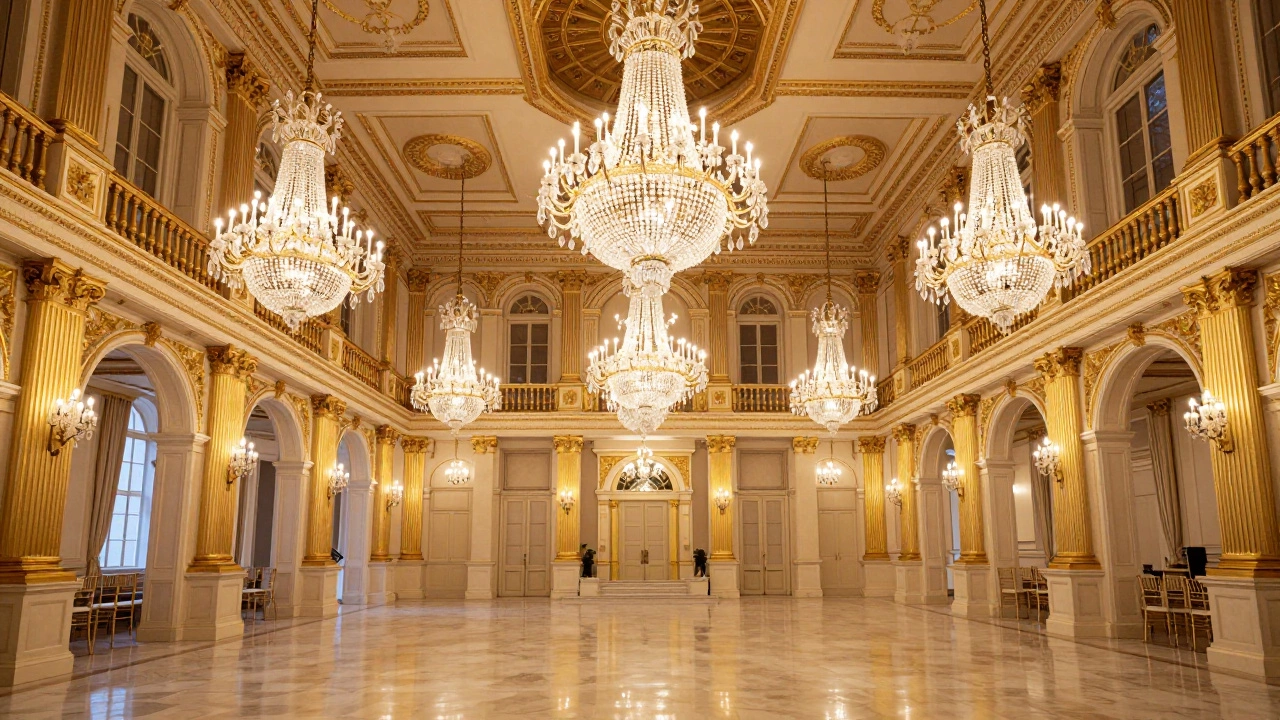
If you want the most impact, the most expensive element should be your Wedding Venue. Why? Because the venue acts as the foundation for everything else. A stunning venue reduces the amount you need to spend on Wedding Decorations. If you pick a ballroom with gold leafing and crystal chandeliers, you don't need to spend five thousand dollars on pipe-and-drape or expensive ceiling installations. The venue provides the atmosphere for free.
Why Atmosphere Beats Individual Props
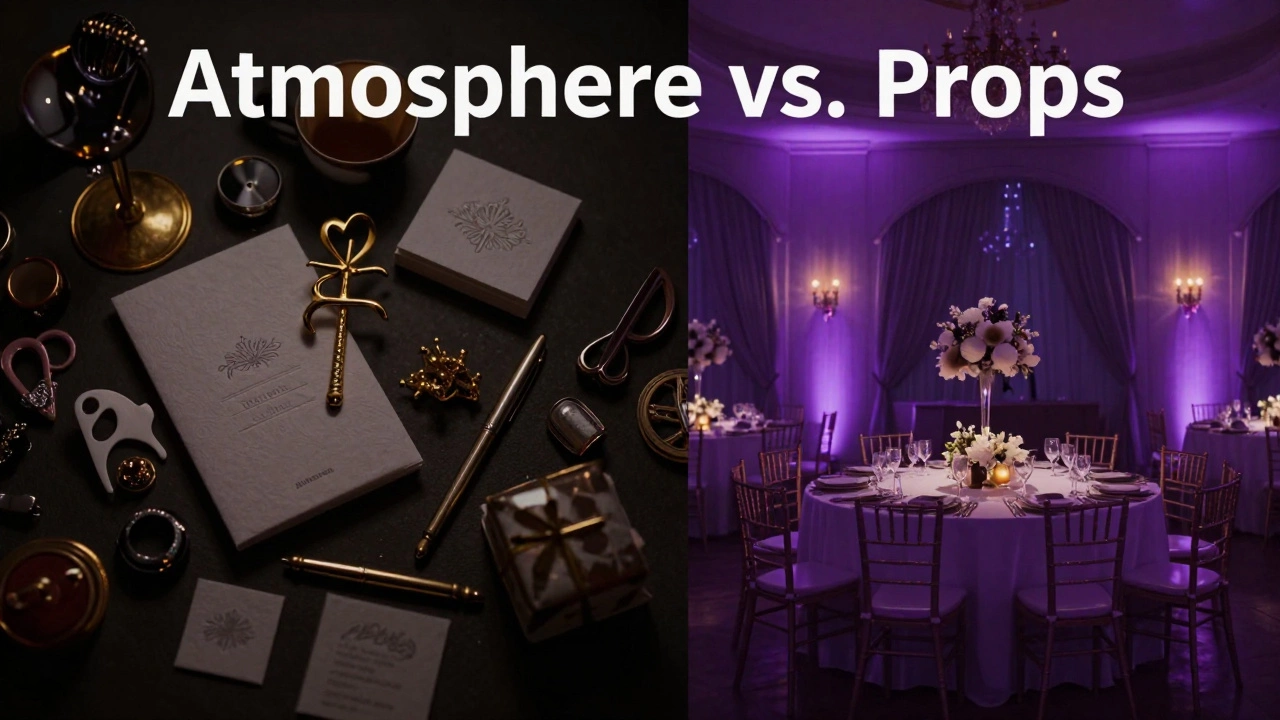
There is a huge difference between "expensive things" and "expensive atmosphere." A gold-plated cake topper is an expensive thing. A curated lighting design that makes a warehouse feel like a fairy tale is an expensive atmosphere. If you're debating where to put your biggest chunk of cash, put it into the elements that change the mood of the entire room.
For example, consider Ambient Lighting. Many couples ignore this and just use the house lights of the venue. But professional lighting-uplighting, pin-spotting for centerpieces, and custom washes-can transform a bland hotel room into a luxury experience. It's a high-cost item, but it affects every single person in the room for the entire night.
| Item | Cost Level | Impact Duration | Guest Perception |
|---|---|---|---|
| Luxury Floral Wall | High | Hours | Visual/Photo Only |
| Premium Catering | High | Hours | Sensory/Emotional |
| Professional Lighting | Medium-High | Entire Event | Subconscious Mood |
| High-End Venue | Very High | Entire Event | Immediate Impression |
The Case for the "Invisible" Expense
If you want to be strategic, the most expensive thing shouldn't be something you can see. It should be the Wedding Planning and coordination. I'm talking about a high-end professional who handles the logistics. Why spend the most here? Because a poor execution can ruin a million-dollar decor budget. If the food is cold or the music stops, no one cares that the centerpieces cost three hundred dollars each.
Think of it as insurance. When you pay a premium for a top-tier coordinator, you're paying for the ability to actually enjoy your day. They are the ones ensuring the Wedding Catering arrives on time and the vendors are synchronized. That peace of mind is worth more than any piece of jewelry or fabric.
Where You Should Absolutely NOT Overspend
Now, let's talk about the traps. Many couples fall for the "Pinterest Effect," where they feel they need every single trend they see online. Avoid making these the most expensive parts of your budget:
- Custom Stationary: Guests usually throw the invitation away after the event. While they are a lovely first impression, spending thousands on embossed paper is rarely a wise move.
- Disposable Decor: Balloons, confetti, and themed props that get thrown out at 2 AM. If it doesn't have a permanent home in your house or a lasting impact on the mood, keep the cost low.
- Over-the-Top Favors: Most guests leave the personalized candles or coasters on the table. Instead of spending $10 per person on a gift, put that money toward a better appetizer.
Balancing the Budget: The 60/40 Rule
A good rule of thumb is to allocate 60% of your budget to the "Core Experience" and 40% to the "Aesthetics." The Core Experience includes the venue, food, drinks, and the people making it happen. The Aesthetics include the Wedding Flowers, the attire, and the decorations.
If you flip this and spend 60% on the look of the wedding and only 40% on the experience, you end up with a wedding that looks great in photos but feels hollow in person. Have you ever been to a wedding where the room looked like a palace, but the food was tasteless and the music was awkward? That's the result of misplaced priorities.
The Long-Term Winner: Photography and Videography
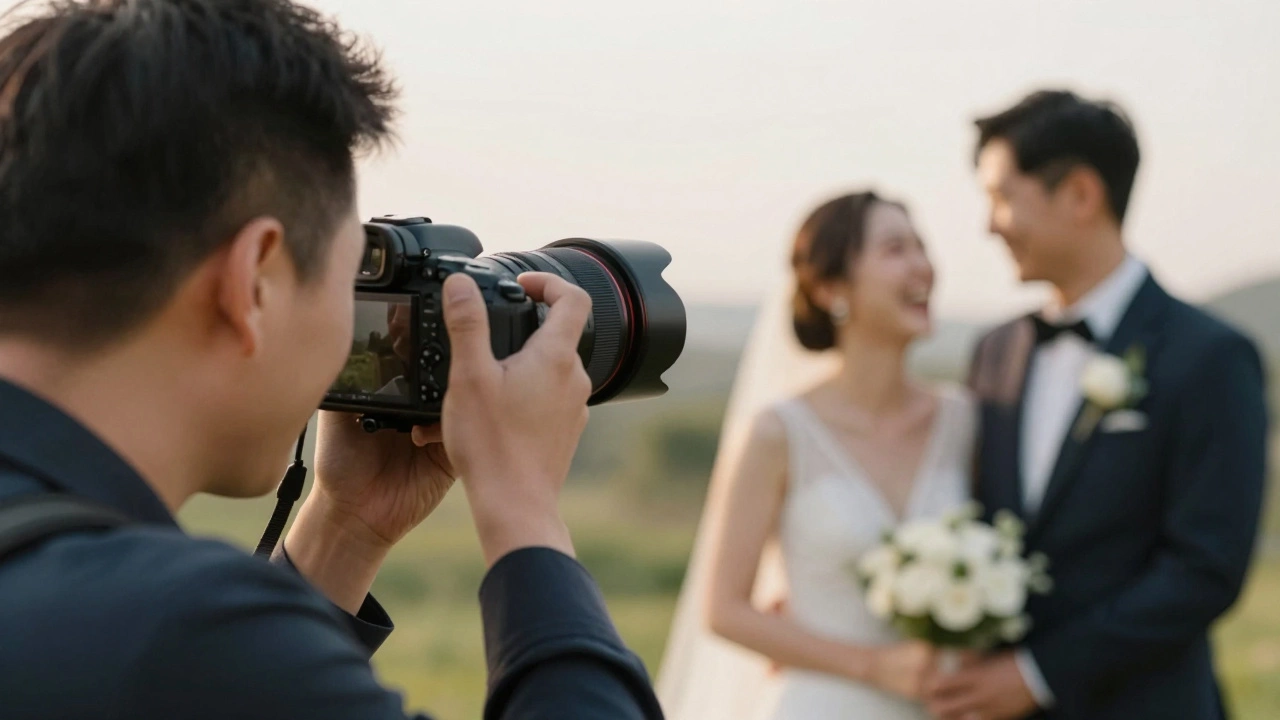
If we are talking about the most expensive thing in terms of long-term value, it's the Wedding Photography. Everything else-the cake, the flowers, the fancy dinner-is gone within 24 hours. The photos are the only thing you actually keep.
Investing in a photographer who understands lighting, composition, and candid storytelling is a move you'll never regret. I've seen couples spend $500 on a cheap photographer and then spend thousands later trying to "fix" the photos with editing services. Don't do that. Pay for the expertise upfront. A great photographer doesn't just take pictures; they preserve the emotion of the day.
Is it worth spending more on a luxury venue?
Yes, if the venue is aesthetically complete. A luxury venue often reduces the need for additional rentals, lighting, and extensive decor, which can actually save you money in the long run. It sets the tone for the entire event immediately upon guest arrival.
Should the wedding dress be the most expensive item?
Only if it's a personal priority for you. From a guest's perspective, the difference between a $2,000 dress and a $10,000 dress is negligible. If you love fashion, go for it, but from a budget-efficiency standpoint, it's a low-impact investment.
How much should I spend on flowers?
Flowers are a variable cost. Instead of a fixed amount, focus on "impact areas." Spend more on the ceremony backdrop and the head table, and use simpler, greenery-heavy arrangements for the guest tables to keep costs down without sacrificing the look.
What is the most common budget mistake?
Overspending on small details that guests don't notice. Things like custom-printed cocktail napkins or expensive party favors often drain the budget while providing very little actual value to the guest experience.
Can I save money on decorations without it looking "cheap"?
Absolutely. Focus on lighting and a few high-impact focal points rather than trying to cover every inch of the room. Using a limited color palette and high-quality materials in small quantities looks more sophisticated than a room filled with inexpensive fillers.
Next Steps for Your Budget
If you're feeling overwhelmed, start by listing your top three non-negotiables. Is it the food? The photography? The dress? Once you have those, assign them your "premium" budget. Everything else should be treated as a secondary cost. If you're still unsure, try this: imagine your wedding is over and you're looking back at it five years from now. Which part of the day will you be glad you spent the extra money on? That's where your biggest investment belongs.