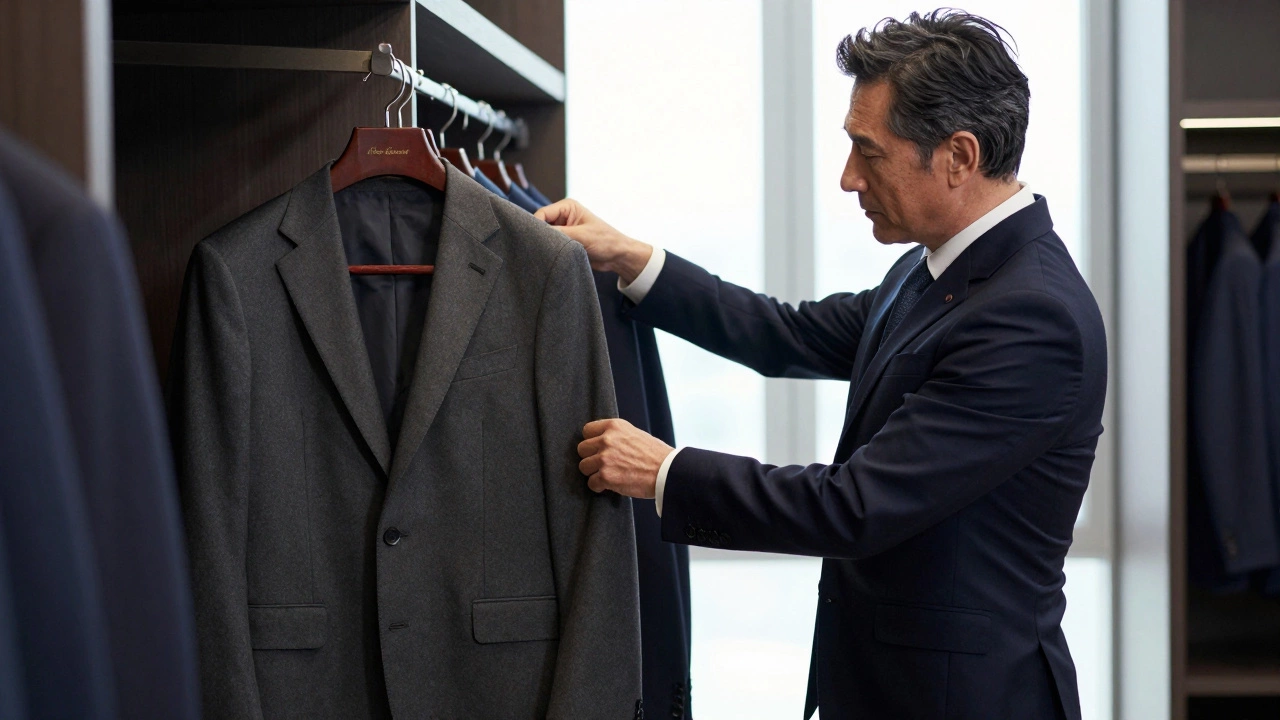
Father of the Groom Attire Advisor
Your Recommended Attire:
Quick Essentials for the Father of the Groom
- Match the Formality: Follow the groom's lead; if he's in a tux, the father should likely be in one too.
- Color Palette: Stick to classic tones like charcoal, navy, or black to ensure timeless photos.
- Fit is Everything: A tailored off-the-rack suit looks better than a baggy designer one.
- Coordination: Coordinate the tie or pocket square with the wedding colors, but don't match the groom exactly.
Decoding the Wedding Dress Code
Before shopping, you have to understand the terminology. The dress code is the North Star for any wedding guest, especially the immediate family. If the groom is wearing a Tuxedo is a formal evening suit characterized by satin stripes down the legs and satin facings on the lapels, the father of the groom should typically mirror that level of formality. It would look odd for the groom to be in a tux while his father is in a light gray business suit.
For a 'Black Tie Optional' event, the father has more wiggle room. He can wear a tuxedo if he owns one, but a very dark, well-tailored navy or charcoal suit is perfectly acceptable. If the invite says 'Semi-Formal' or 'Cocktail,' a standard suit without a tie (or with a more relaxed tie) works. The key is to stay one notch above the general guest list but one notch below the groom.
| Dress Code | Recommended Attire | Key Accessories |
|---|---|---|
| White Tie | Full Evening Dress (Tailcoat) | White bow tie, waistcoat |
| Black Tie | Black Tuxedo | Black bow tie, cufflinks |
| Formal/Black Tie Optional | Dark Suit or Tuxedo | Silk tie, leather oxfords |
| Cocktail/Semi-Formal | Mid-tone Suit (Navy/Grey) | Patterned tie or no tie |
| Casual/Beach | Linen Suit or Chinos | Loafers, light-colored shirt |
Choosing the Right Color and Fabric
Colors aren't just about style; they're about the time of day and the venue. A black suit is a powerhouse for evening weddings but can feel heavy and oppressive for a 2 PM ceremony in a garden. For daytime events, Charcoal Grey is a deep, versatile neutral shade that works for almost any setting and skin tone. It's softer than black but still feels authoritative and formal.
Navy is perhaps the most versatile choice. It works for morning, noon, and night. If the wedding is in the summer, look into Linen is a lightweight, breathable fabric made from the flax plant, ideal for warm weather or light wool blends. Avoid heavy tweeds in July, or the father of the groom will spend the entire reception sweating through his shirt. For winter weddings, a heavier wool or a subtle flannel adds warmth and looks rich in photographs.
The Art of Coordination Without Matching
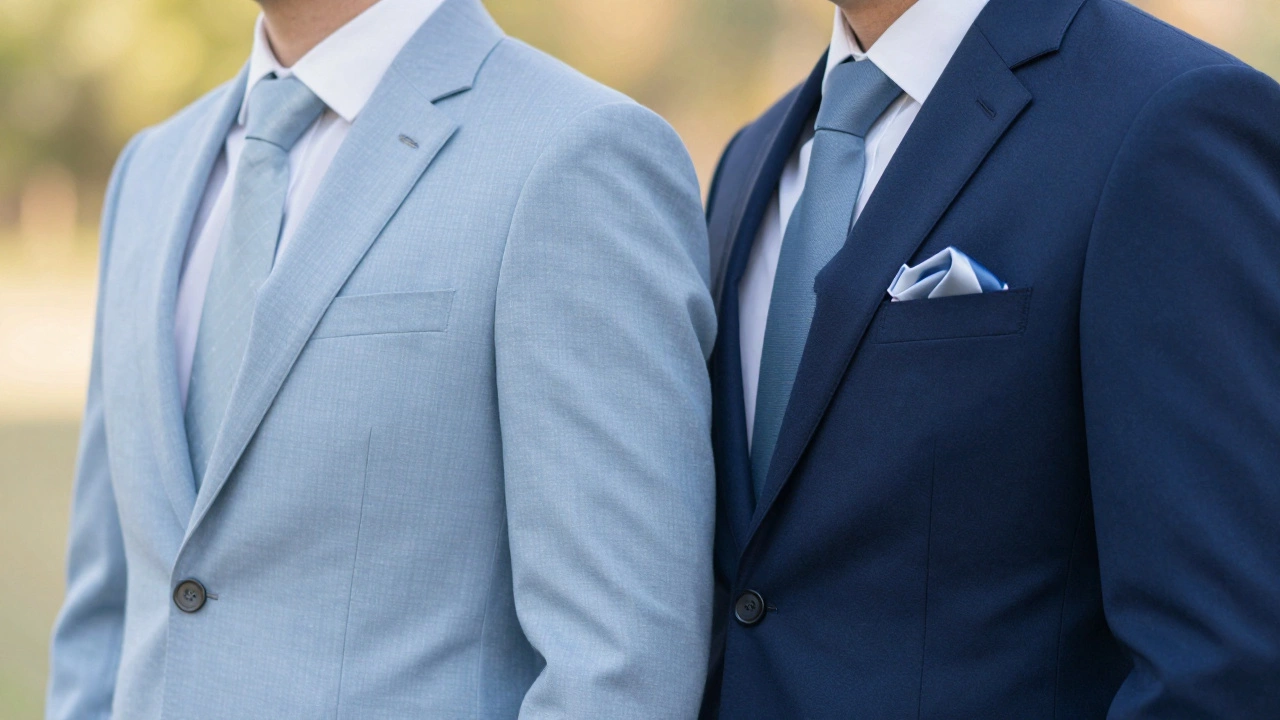
One common mistake is trying to match the groom exactly. The groom should be the only person in that specific shade of blue or that specific style of jacket. The father of the groom should complement, not clone. If the groom is in a light blue suit, the father could wear a navy suit. This creates a visual link between them without erasing the groom's special status.
Accessories are where the father can add a personal touch. A tie that matches the bridesmaids' colors or the wedding theme is a classic move. However, don't overdo it. A single cohesive element-like a pocket square in a complementary shade-is enough. Avoid loud patterns that might distract from the couple during the ceremony. Stick to solid colors, subtle stripes, or small dots.
The Importance of Tailoring
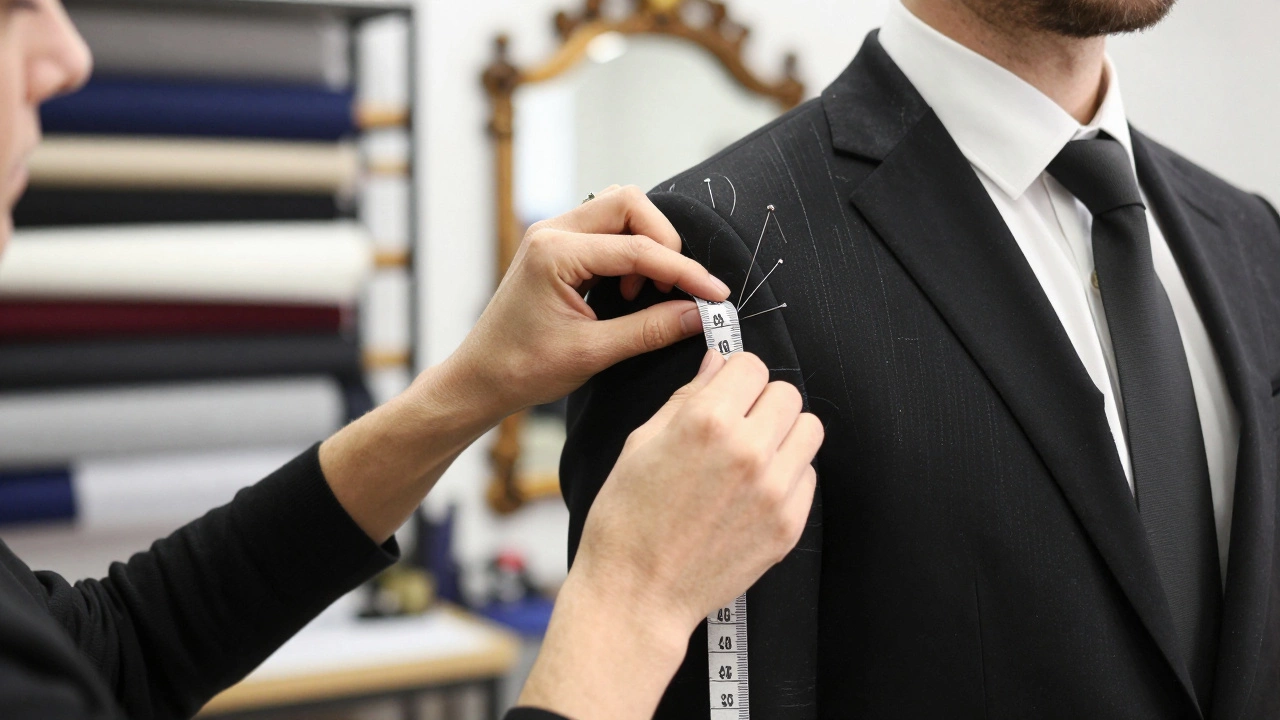
A $200 suit that is perfectly tailored will always look more expensive than a $2,000 suit that doesn't fit. Most men buy suits that are one size too large, leading to shoulders that droop and trousers that bunch at the ankles. The father of the groom should prioritize a trip to a Tailor is a professional who alters clothing to fit a customer's specific body measurements.
Focus on three main areas: the shoulders, the waist, and the hem. The shoulder seam should sit exactly where the arm meets the torso. The jacket should be nipped in slightly at the waist to avoid the 'box' look. Finally, ensure the trousers have a 'slight break'-where the fabric just barely touches the top of the shoe. This prevents the father from looking like he's wearing hand-me-downs.
Common Pitfalls to Avoid
First, avoid the 'Business Suit' trap. There is a difference between a suit you wear to a board meeting and a wedding suit. A business suit is often more utilitarian and bland. For a wedding, lean into slightly more luxurious fabrics or a more refined cut. Also, skip the overly casual look. Even at a casual beach wedding, the father of the groom is a VIP. Wearing just a button-down and khakis might be too relaxed; a light-colored blazer (a sports coat) keeps the occasion feeling special.
Another mistake is ignoring the shoes. Black leather Oxford Shoes are the most formal type of men's dress shoe, characterized by closed lacing for black or charcoal suits. Brown leather works beautifully with navy or grey. Ensure the shoes are polished. Scuffed toes in high-resolution wedding photos are a regret many fathers have later.
Budgeting for the Attire
Depending on the relationship and the family dynamic, the father of the groom usually pays for his own attire. However, some grooms prefer the fathers to match a certain aesthetic and may offer to contribute or provide a rental. If renting, do a fitting at least three weeks before the date. Rental suits are notoriously generic in fit, so if the father is particularly muscular or petite, buying a suit and getting it tailored is a much safer bet.
If the budget is tight, suggest focusing on a high-quality navy suit. It can be used for the wedding, then worn to funerals, business meetings, and other parties for years to come. It's a one-time investment that serves multiple purposes.
Can the father of the groom wear a suit if the groom is wearing a tuxedo?
Yes, but it depends on the formality. If it's a strictly 'Black Tie' event, the father should ideally wear a tuxedo. However, a very dark charcoal or black suit with a white shirt and a conservative tie is usually acceptable if a tuxedo isn't available or comfortable.
Does the father of the groom need a vest?
A vest (or waistcoat) is not mandatory but adds a layer of formality. It's particularly useful if the father plans to take his jacket off during the reception; the vest keeps him looking 'put together' and formal even without the coat.
What color tie should the father of the groom wear?
The safest bet is a color that complements the wedding palette. If the bridesmaids are wearing sage green, a tie with a subtle green pattern or a solid champagne color works well. Avoid neon colors or distracting prints.
Should the father of the groom wear a boutonniere?
Yes. Along with the groom, groomsmen, and best man, the fathers of both the bride and groom usually wear a boutonniere. This signals their special status as part of the immediate wedding party.
Is a blazer and chinos okay for a wedding?
Only if the dress code is explicitly 'Casual,' 'Garden,' or 'Beach.' For any other setting, a full suit is the standard expectation for the father of the groom to show respect for the occasion.
Next Steps for the Father of the Groom
If you're the father or helping him out, start with a conversation with the groom. Ask for the exact dress code and the colors the wedding party is wearing. Once you have that, audit the current wardrobe. If the suit in the closet is ten years old, it's time for an update. Schedule a fitting with a tailor at least a month before the wedding to ensure there's time for adjustments. Finally, pick out the shoes and belt early-remember, the leather colors must match.