Wedding Outfit Color Matcher
Configure the wedding details below to get a personalized color recommendation that respects tradition and looks great.
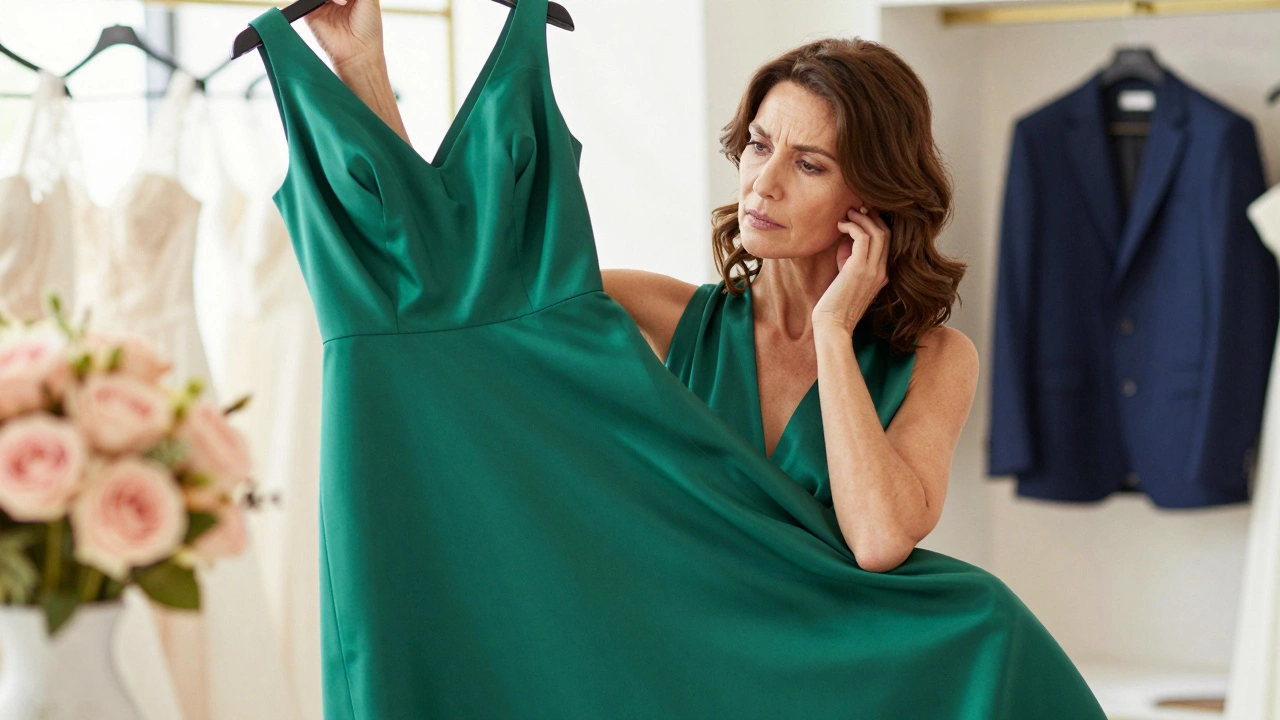
Picture this: You’re standing in the aisle, ready for your son’s big moment. The camera flashes. Everyone turns to look at the parents. And suddenly, you realize your emerald green gown clashes perfectly with the bride’s blush pink bouquet and the groom’s navy suit. It’s not just awkward; it’s a wardrobe malfunction that will live on Instagram forever.
The question isn’t just about what looks good on you. It’s about navigating the unspoken rules of wedding etiquette. What color is the groom's mother supposed to wear? There is no single law written in stone, but there are strong traditions and modern expectations that keep things harmonious. Getting this right shows respect for the couple and ensures you look elegant without stealing the spotlight or clashing with the bridal party.
Who Picks the Colors First?
In traditional wedding planning, the hierarchy of color selection is strict. The bride picks her dress first. Then, the bridesmaids choose their dresses based on the bride’s palette. After that, the mother of the bride selects her outfit. Finally, the groom’s mother chooses hers.
This order exists to prevent duplicates and clashes. If the mother of the bride loves deep burgundy and wears it, the groom’s mother should avoid that exact shade. However, tradition doesn’t mean dictatorship. Modern weddings are more collaborative. The best approach? Communication.
You should reach out to the mother of the bride early on. A simple coffee date or phone call works wonders. Ask her what she has in mind. If she says, "I’m thinking something soft lavender," you can steer clear of purple tones. This coordination prevents the nightmare scenario where both mothers show up in identical colors or patterns that fight for attention in photos.
Does the groom's mother pick her dress before the bride?
No. Traditionally, the bride chooses first, followed by the bridesmaids, then the mother of the bride, and finally the groom's mother. This sequence helps avoid color clashes and ensures everyone complements the overall wedding theme.
Colors to Avoid: The Red Lines
While you have freedom, some colors are off-limits unless the couple explicitly invites you to wear them. These aren't just suggestions; they are social minefields.
- White, Ivory, or Cream: This is the biggest rule. White belongs to the bride. Wearing white, even if it’s an "off-white" or "champagne," can be seen as trying to upstage her. Unless the wedding is themed (like a black-tie event where all guests wear white), stay away from these shades.
- Black (in certain contexts): Historically, black was associated with mourning. While it’s now acceptable for evening or formal weddings, it can still feel somber for a daytime celebration. If you love black, ensure the fabric is rich and the cut is festive. Pair it with bright jewelry to lighten the mood.
- The Bridesmaids’ Exact Shade: If the bridesmaids are wearing teal, don’t wear teal. You might think you’re coordinating, but you’ll look like a bridesmaid who forgot her veil. Choose a complementary color instead, like a soft gold or navy.
Also, check the wedding invitation. Some couples include specific color requests. For example, "Please avoid red." Ignoring these instructions shows a lack of consideration for the couple’s vision.

Best Colors for the Groom's Mother
So, what should you wear? The goal is to look sophisticated, supportive, and distinct from the bridal party. Here are the safest and most stylish options:
| Color Family | Best For | Why It Works |
|---|---|---|
| Jewel Tones (Emerald, Sapphire, Ruby) | Fall/Winter Weddings | Rich, luxurious, and photographs beautifully. They stand out without being loud. |
| Pastels (Blush, Mint, Lavender) | Spring/Summer Weddings | Soft, romantic, and blends well with floral arrangements. Avoid matching the bridesmaids exactly. |
| Navy Blue or Charcoal | Formal/Evening Weddings | Elegant and timeless. Pairs well with silver or pearl accessories. |
| Metallics (Gold, Silver, Bronze) | Black-Tie Events | Glamorous and festive. Great for adding shine without competing with the bride. |
If the wedding has a specific color palette, try to pick a color that sits next to those shades on the color wheel. For instance, if the wedding is blue and white, a dusty rose or peach dress would complement the theme without blending into it.
Considering the Venue and Time of Day
The setting matters just as much as the color. A beach wedding in Hawaii calls for different attire than a cathedral ceremony in New York.
For Daytime Weddings, lighter colors and breathable fabrics are preferred. Think chiffon, silk, or linen. Bright pastels or vibrant prints work well here. Dark colors can absorb heat and look too heavy under the sun.
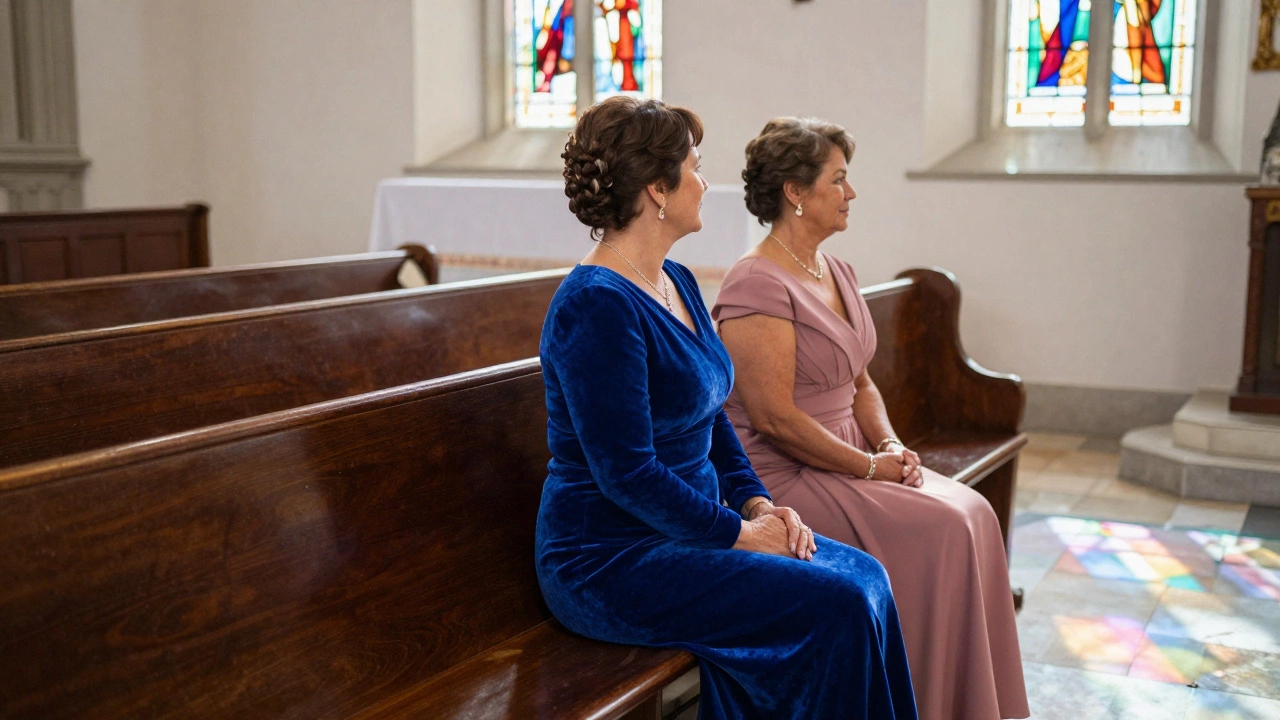
For Evening Weddings, darker, richer hues and heavier fabrics are appropriate. Velvet, satin, or lace look stunning under string lights. Jewel tones and metallics shine in low light. A floor-length gown is often expected for formal evening events.
If the wedding is outdoors, consider the terrain. A long train might get muddy. Heels might sink into grass. In these cases, a knee-length or midi dress in a solid, earthy tone is practical and chic.
Accessories and Final Touches
Your dress is only half the battle. Accessories can make or break your look. Jewelry should enhance your outfit, not overpower it. If your dress is heavily embellished, keep jewelry simple. If your dress is plain, add statement earrings or a necklace.
Shoes should match the formality. Closed-toe pumps for formal events, wedges or block heels for outdoor venues. Always bring a comfortable pair of flats for dancing later.
Don’t forget the weather. In Auckland, where I live, summer can be warm and humid. A lightweight shawl or pashmina is essential for cooler evenings or air-conditioned churches. It also adds a layer of elegance if you feel exposed in a sleeveless dress.
What If You Already Have a Dress?
Many mothers buy their wedding outfits years in advance. If you have a beautiful dress you want to wear, check its color against the wedding palette. If it clashes, you can sometimes alter it. A professional tailor can change the lining or add a sash in a complementary color. Alternatively, rent a new dress. It’s cheaper than buying one you’ll never wear again, and you’ll have access to current styles.
Remember, the goal is to look like yourself-just your best self. Don’t stress over every tiny detail. The couple wants you to look happy and confident. When in doubt, ask them. Most couples appreciate the effort and will give you honest feedback.
Can the groom's mother wear the same color as the mother of the bride?
It’s better to avoid wearing the exact same color. While it’s not forbidden, it can look unintentional or coordinated poorly. Aim for complementary shades instead. For example, if one wears blue, the other could wear green or purple.
Is it okay for the groom's mother to wear black to a wedding?
Yes, especially for evening or formal weddings. Black is elegant and slimming. Just ensure the style is festive-add sparkle, bold jewelry, or a colorful wrap to keep it from looking mournful.
How far in advance should the groom's mother buy her dress?
Ideally, 6-8 months before the wedding. This gives time for ordering, alterations, and coordinating with the mother of the bride. Last-minute shopping limits choices and increases stress.
What if the wedding has a strict dress code?
Follow the dress code strictly. If it says "black tie," wear a formal gown. If it says "beach casual," wear a sundress. Ignoring the dress code shows disrespect for the couple’s wishes.
Can the groom's mother wear a patterned dress?
Yes, but keep it subtle. Large, loud patterns can distract in photos. Small florals or geometric prints are fine. Ensure the dominant color fits the wedding palette.
In the end, your role is to support the couple. Your outfit should reflect joy, dignity, and respect. By communicating early, avoiding clash-prone colors, and choosing wisely based on the venue, you’ll look fantastic and feel confident. The wedding day goes by fast. Make sure your memory is of smiling, not stressing over your dress.