Bridal Bouquet Evolution Simulator
Select an Era
Choose a time period to see how the bouquet evolved.
Medieval Protection
Functional & ProtectiveThe Bouquet
A bundle of strong-smelling herbs like rosemary, thyme, and lavender.
Purpose
To mask bad odors and ward off evil spirits or disease.
Guest Interaction
You’ve seen it a thousand times. The music swells, the bride turns around with that look of pure joy, and she hurls her bridal bouquet is a handheld arrangement of flowers carried by the bride during the wedding ceremony and reception into a crowd of screaming women. It’s chaotic, it’s fun, and honestly, it can be a little stressful if you’re standing in the back row. But have you ever stopped to wonder why we do this? It seems like such an arbitrary ritual for a modern celebration.
The answer isn’t just about luck or party games. The tradition of throwing the bouquet has deep roots in history, evolving from something quite practical-and sometimes dangerous-into the symbolic gesture we know today. Understanding where this custom comes from changes how you see the moment. It stops being just a photo op and starts feeling like a connection to centuries of wedding folklore.
From Good Luck Charms to Floral Art
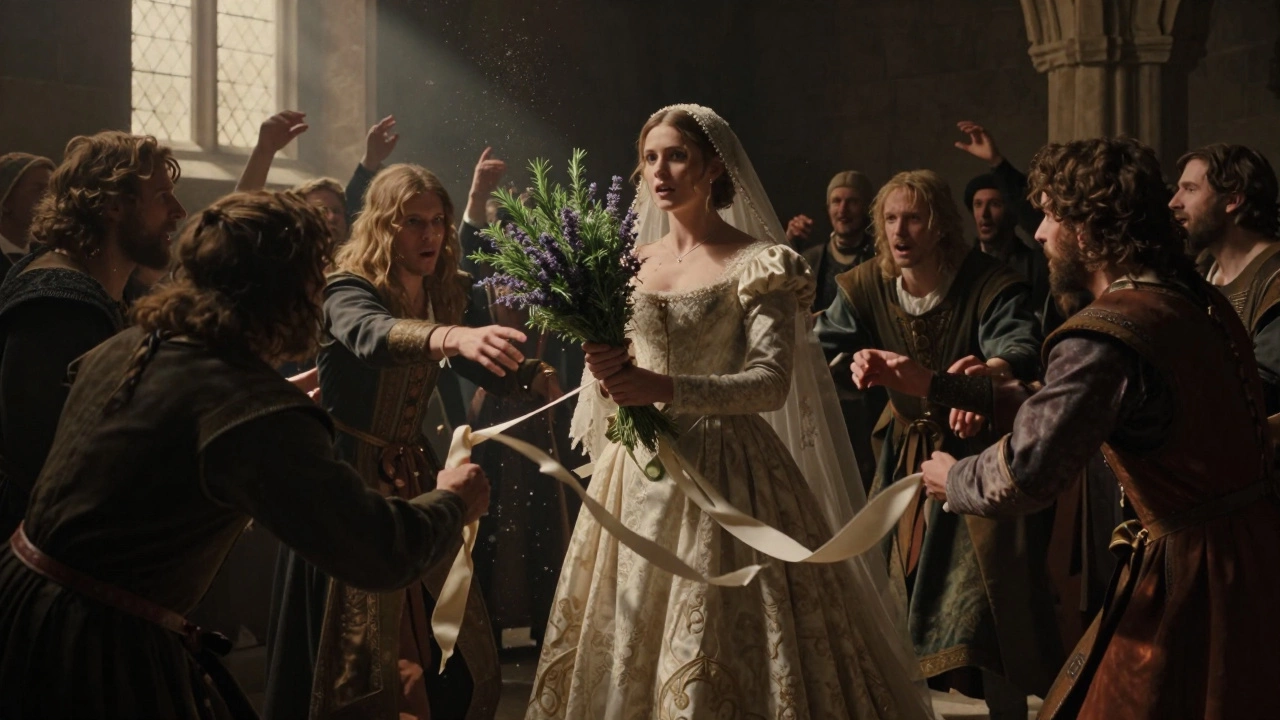
To understand the toss, you first have to understand the bouquet itself. In medieval Europe, specifically around the 14th century, flowers weren't just decorative. They were functional. People used strong-smelling herbs and flowers like rosemary, thyme, and lavender to mask bad odors and ward off evil spirits. The belief was that these scents could purify the air and protect the couple from disease and misfortune.
As time moved forward, particularly into the Victorian era, flowers began to take on specific meanings through the language of floriography. A red rose meant passion; lily of the valley symbolized happiness returning. The bouquet became a canvas for the bride’s emotions and hopes for her marriage. By the late 19th century, carrying flowers was a status symbol. It showed that the family could afford fresh blooms rather than dried herbs. This shift laid the groundwork for the bouquet becoming a prized possession, which eventually led to the idea that someone else should get a piece of that good fortune.
The "Ripping" Tradition: A Darker Origin
Here is where things get a bit wild. Before brides started tossing their bouquets, guests actually tried to steal parts of the bride’s dress. In ancient European weddings, it was considered incredibly lucky to own a fragment of the bride’s attire. Guests believed that possessing a piece of the bride would bring them similar marital bliss and fertility.
This wasn't a gentle request. Crowds would swarm the bride, ripping pieces of her gown, tearing off ribbons, and even trying to snatch her hair. It was chaotic and often ruined expensive dresses. To stop the destruction of their clothing, brides started carrying a large bunch of flowers. The idea was simple: distract the guests. If the crowd was fighting over the bouquet, they wouldn't be tearing at the bride's seams.
Eventually, the focus shifted entirely to the bouquet. Instead of letting guests rip the flowers apart, the bride would throw the entire thing. This turned a destructive act into a game. The person who caught the bouquet was thought to inherit the bride’s good luck, sparing everyone else the trouble of fighting for scraps. It was a clever evolution from survival tactic to social ritual.
The Superstition of Being Next in Line
Today, the primary reason people jump into the fray is the superstition that the catcher will be the next person to marry. This belief solidified in the 20th century, though its origins are murky. Some historians suggest it stems from the earlier belief that the catcher inherits the bride’s fertility. Others think it’s simply a way for single friends to feel included in the celebratory energy of the event.
For many women, catching the bouquet is a rite of passage. It signals a transition in their social life, even if they aren’t actively looking for a partner. It’s a moment of hope and anticipation. However, not everyone buys into the magic. Some view it as outdated or exclusionary, especially if the wedding doesn't include same-sex couples or if the guest list is heavily skewed toward one gender.
This tension between tradition and modern values is interesting. While the core mechanic remains the same, the interpretation has softened. It’s less about predicting your future husband and more about sharing in the joy of the day. Still, the competitive spirit remains alive and well at most receptions.
How the Toss Has Changed Over Time
If you watch old movies or look at vintage photos, you’ll notice the toss used to be much more formal. In the mid-20th century, the bride would stand still, face away, and drop the bouquet straight down. Guests formed a neat line, waiting their turn. It was orderly, almost military in precision.
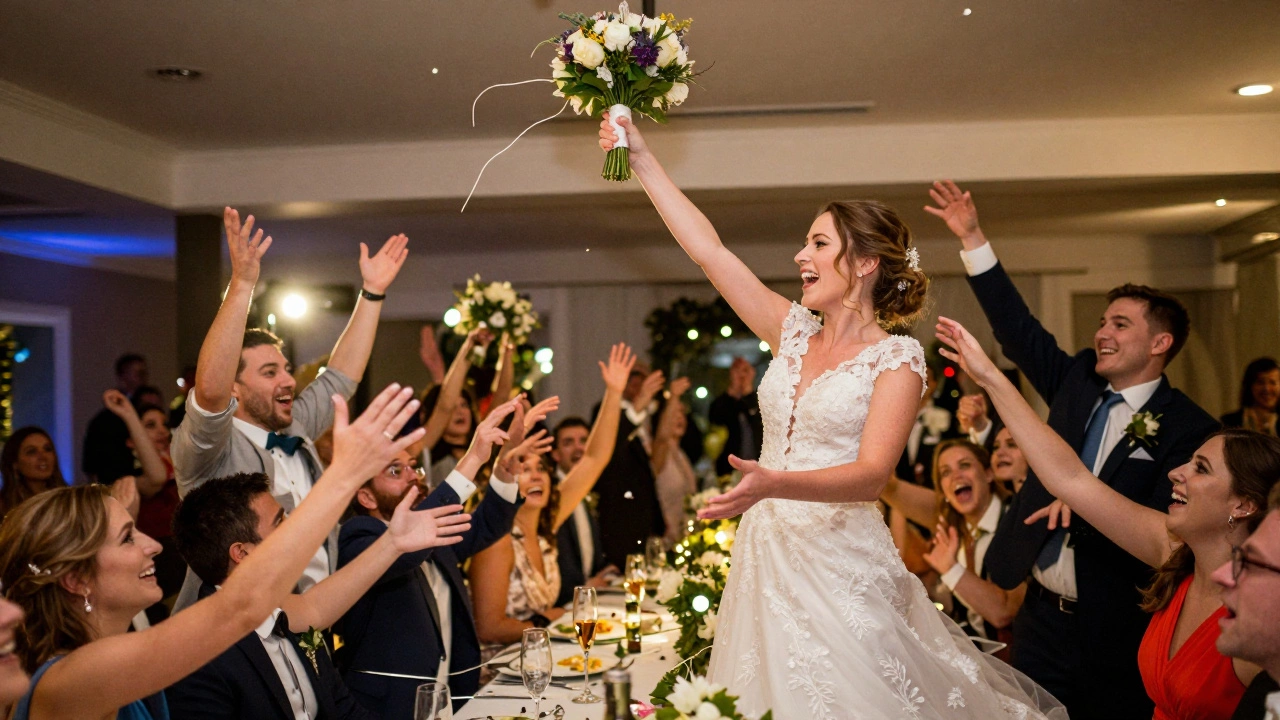
Modern weddings have thrown out that rulebook. Now, the bride might spin around, fake a throw, or toss the bouquet high into the air. Guests often jostle each other, push forward, and create a scrum. This shift reflects broader changes in wedding culture. We value authenticity and fun over rigid etiquette. The goal is no longer to maintain decorum but to create a memorable, energetic moment.
There’s also been a move toward inclusivity. Many couples now invite all single guests, regardless of gender, to participate in the toss. Some even hold separate tosses for grooms, using a boutonniere or a small gift instead of a bouquet. These adaptations show that while the tradition persists, it’s flexible enough to fit contemporary relationships and values.
Practical Tips for the Bride and Guests
If you’re planning to toss your bouquet, there are a few practical considerations. First, think about the structure of the bouquet. A tightly wired bouquet holds together better when thrown than a loose, garden-style arrangement. You don’t want petals flying everywhere or stems breaking off mid-air. Ask your florist to reinforce the base with extra tape or wire.
Second, consider the venue. Are you indoors or outdoors? Wind can make an outdoor toss unpredictable. A strong breeze might carry the bouquet far away, leading to awkward chases across lawns or parking lots. If you’re outside, choose a calm spot or prepare for a bit of chaos.
For guests, strategy matters. Stand close to the front, but not so close that you block others. Keep your eyes on the bride, not just the bouquet. Watch her body language. She might feint left before throwing right. Stay balanced, keep your hands up, and be ready to react quickly. Remember, it’s supposed to be fun, so don’t take it too seriously-even if you really want to catch it.
Alternatives to the Traditional Toss
Not every bride wants to play the game. Some find the spotlight uncomfortable, or they simply prefer to spend their time dancing with their new spouse. There are plenty of alternatives that keep the spirit of sharing without the physical toss.
- Handing it out: The bride can walk around and hand the bouquet to a friend or family member who means a lot to her. This creates a personal, intimate moment rather than a public contest.
- Auctioning it off: Instead of giving it away for free, the couple can auction the bouquet to the highest bidder. The money goes toward their honeymoon fund. This adds a humorous element and raises cash for the newlyweds.
- Preserving it: Some brides choose to dry and frame their bouquet as a keepsake. This honors the floral artistry and provides a lasting memento of the day.
- Inclusive toss: As mentioned, inviting all single guests ensures no one feels left out based on gender. This promotes unity and shared celebration.
These options allow couples to customize their reception to fit their personalities. Tradition doesn’t have to mean conformity. You can honor the past while making the present work for you.
The Symbolism Behind the Flowers
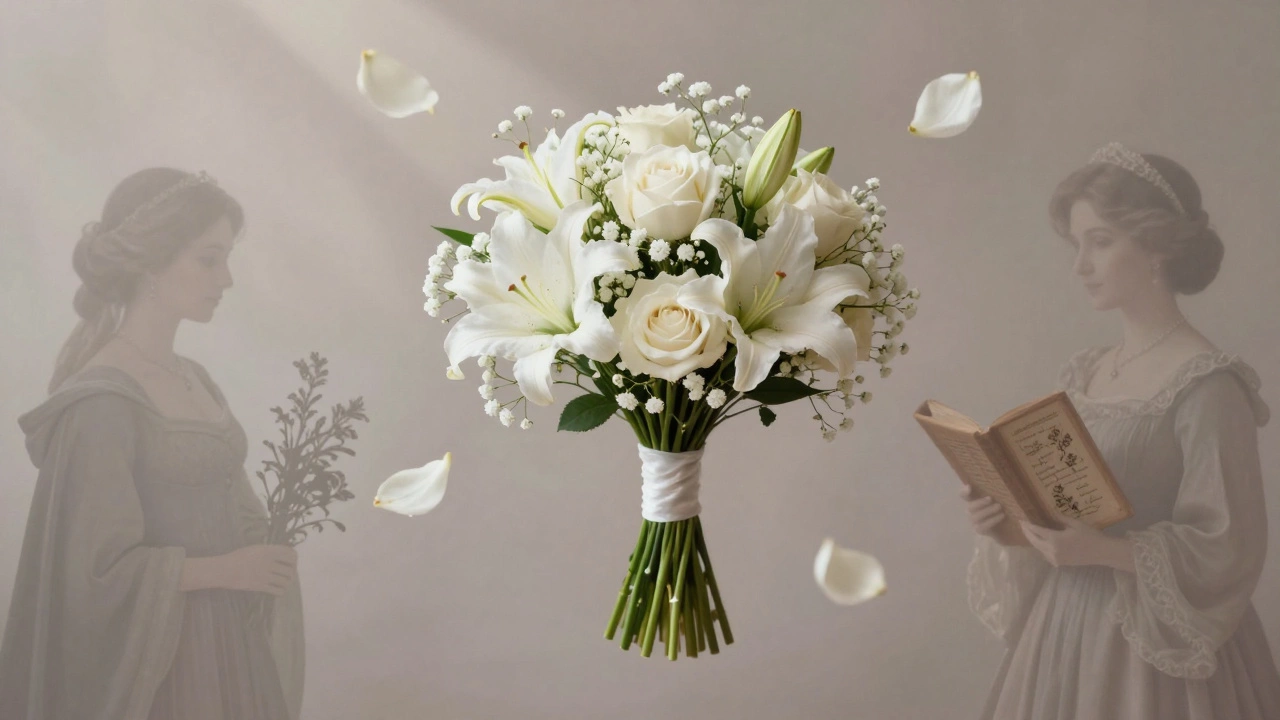
Beyond the toss, the flowers themselves carry weight. Different cultures attach different meanings to specific blooms. In Western weddings, white roses symbolize purity and new beginnings. Lilies represent commitment and fidelity. Baby’s breath suggests everlasting love and delicate beauty.
When the bride throws the bouquet, she’s not just discarding flowers; she’s passing on these symbols. The catcher receives not only the physical object but also the emotional resonance attached to it. It’s a transfer of goodwill, hope, and blessing. Even if you don’t believe in superstitions, there’s something poetic about receiving a bundle of flowers chosen with care and intention.
This symbolism extends to the colors as well. Bright colors convey joy and energy, while muted tones suggest elegance and calm. The choice of palette reflects the overall mood of the wedding. When the bouquet flies through the air, it carries that aesthetic vision with it, momentarily uniting the bride and the guests in a shared visual experience.
Why the Tradition Endures
Despite changing social norms, the bouquet toss remains a staple of Western weddings. Why? Because it serves multiple functions. It provides entertainment, breaks up the flow of the reception, and gives guests a chance to interact physically. It’s a release valve for energy after hours of sitting and eating.
It also reinforces community bonds. Whether you’re cheering, competing, or watching, you’re participating in a collective ritual. Shared experiences like this strengthen social ties. They create stories that people retell for years. "Remember when Sarah jumped over two people to catch the bouquet?" Those moments become part of the wedding’s legacy.
Finally, it connects us to history. Every time a bride throws her flowers, she echoes the actions of thousands of women before her. From medieval herb carriers to Victorian flower enthusiasts, the lineage is continuous. It’s a small act, but it carries the weight of centuries. That continuity is comforting in a world that changes so rapidly.
Who invented the bouquet toss?
No single person invented the bouquet toss. It evolved gradually from medieval traditions where guests tore pieces of the bride's dress for good luck. Brides began carrying flowers to distract guests, and eventually, they threw the bouquet to prevent further damage to their attire. The practice became standardized in the 19th and 20th centuries.
What does it mean if you catch the bouquet?
Traditionally, catching the bouquet means you will be the next person to marry. This superstition originated from the belief that the catcher inherits the bride's fertility and good fortune. Today, it is often seen as a fun symbol of upcoming happiness rather than a literal prediction.
Can men catch the bouquet?
Yes, absolutely. Modern weddings often encourage inclusivity. Many couples invite all single guests, regardless of gender, to participate in the toss. Some even have separate tosses for grooms using boutonnieres or other items. The key is creating a welcoming environment for everyone.
Why do brides wear white flowers?
White flowers, particularly white roses, symbolize purity, innocence, and new beginnings in Western culture. This association was popularized by Queen Victoria, who wore a white wedding dress in 1840. Since then, white has become the standard color for bridal attire and accessories, representing a fresh start for the couple.
Is the bouquet toss mandatory?
No, the bouquet toss is entirely optional. Couples can skip it if they feel uncomfortable or if it doesn't fit their wedding style. Alternatives include handing the bouquet to a loved one, auctioning it off, or preserving it as a keepsake. Your wedding should reflect your preferences, not external expectations.