DIY Wedding Decor Stress Calculator
Find out if going DIY is right for you. Adjust the sliders below to reflect your specific situation and see your predicted stress level and savings.
Adjust the settings and click "Analyze" to see your results.
Your Predicted Outcome
Estimated DIY Savings
$0
Hidden Labor Cost*
$0
*Based on $50/hr estimated value of your time.
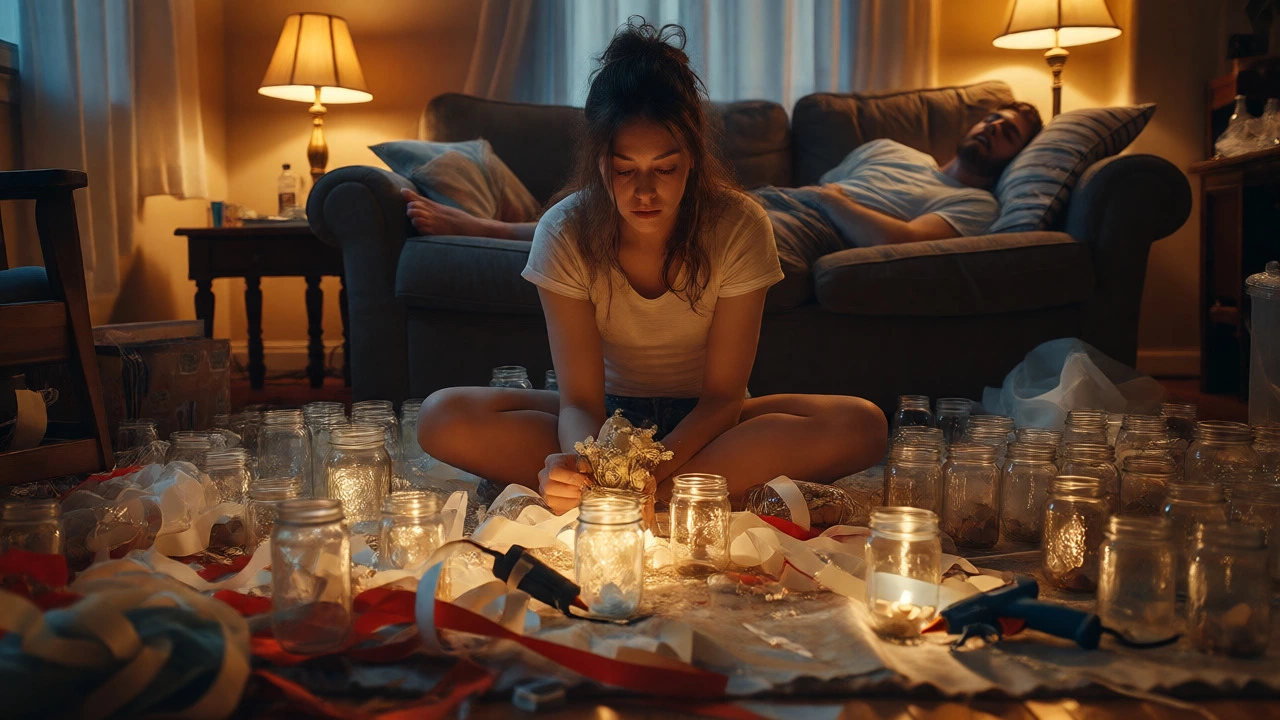
Picture this: It’s 2 AM on the night before your wedding. You’re sitting on the floor of your living room, surrounded by hundreds of glass jars, glue guns, and ribbons that are somehow tangled beyond repair. Your fiancé is asleep on the couch, snoring softly, while you stare at a centerpiece that looks more like a science experiment gone wrong than a romantic table setting. Does this sound familiar? If you’re considering DIY wedding decorations to save money or add personal touches, you’ve probably heard horror stories. But is it actually stressful, or is that just fear-mongering from people who gave up too early?
The short answer is yes, it can be incredibly stressful-but only if you go in blind. A well-planned DIY project is empowering; a last-minute scramble is a nightmare. The difference lies entirely in how you manage your time, your expectations, and your team. Let’s break down exactly where the stress comes from and how you can dodge those common pitfalls.
Why People Think DIY Is Harder Than Hiring Pros
Do-It-Yourself (DIY) is the method of creating, modifying, or repairing things without the direct aid of experts or professionals. In the context of weddings, it usually refers to making centerpieces, signage, favors, and floral arrangements yourself or with friends and family. The primary driver for going this route is cost. Professional florists and decorators charge not just for materials, but for their expertise, labor, and overhead. By doing it yourself, you might save 30-50% on decoration costs. However, that savings comes with a hidden price tag: your sanity.
When you hire a vendor, you pay for reliability. They show up, they set up, and if something breaks, it’s their problem. When you do it yourself, every mistake is yours. A glued flower falling off during setup isn’t just an aesthetic issue; it’s a panic attack waiting to happen. This psychological burden-the weight of responsibility-is what most couples mean when they say DIY is "stressful." It’s not the gluing itself; it’s the fear of failure on the biggest day of your life.
The Real Stress Triggers in Wedding Decor
Not all DIY tasks are created equal. Some are easy wins that boost confidence; others are trap doors that swallow entire weekends. Understanding which projects cause the most friction helps you decide what to tackle and what to outsource.
- Time Management: Most couples underestimate the time required by at least double. If a tutorial says "1 hour per centerpiece," assume it will take two hours once you factor in drying time, mistakes, and interruptions.
- Consistency: Making one beautiful bouquet is easy. Making fifty identical bouquets that look cohesive is hard. Human hands vary, and fatigue sets in quickly.
- Logistics: Where do you store 100 mason jars for three weeks? How do you transport delicate paper flowers without crushing them? These unglamorous details often cause more stress than the crafting itself.
- Venue Restrictions: Many venues prohibit open flames, certain adhesives, or hanging structures. Discovering these rules after you’ve bought supplies is a major source of frustration.
How to Keep Your Sanity Intact
You don’t have to choose between total chaos and total outsourcing. There is a middle ground. The key is strategic delegation and realistic planning. Here is a framework that works for most couples.
Start Early, Finish Earlier
Do not wait until the final month. Start your decorative projects at least four months out. This gives you time to test materials, fail cheaply, and adjust your design without pressure. If you plan to make 50 centerpieces, make five first. Live with them. Look at them under different lighting. If they still look good after two weeks, you’re ready to scale up.
Build a Crew, Not Just Helpers
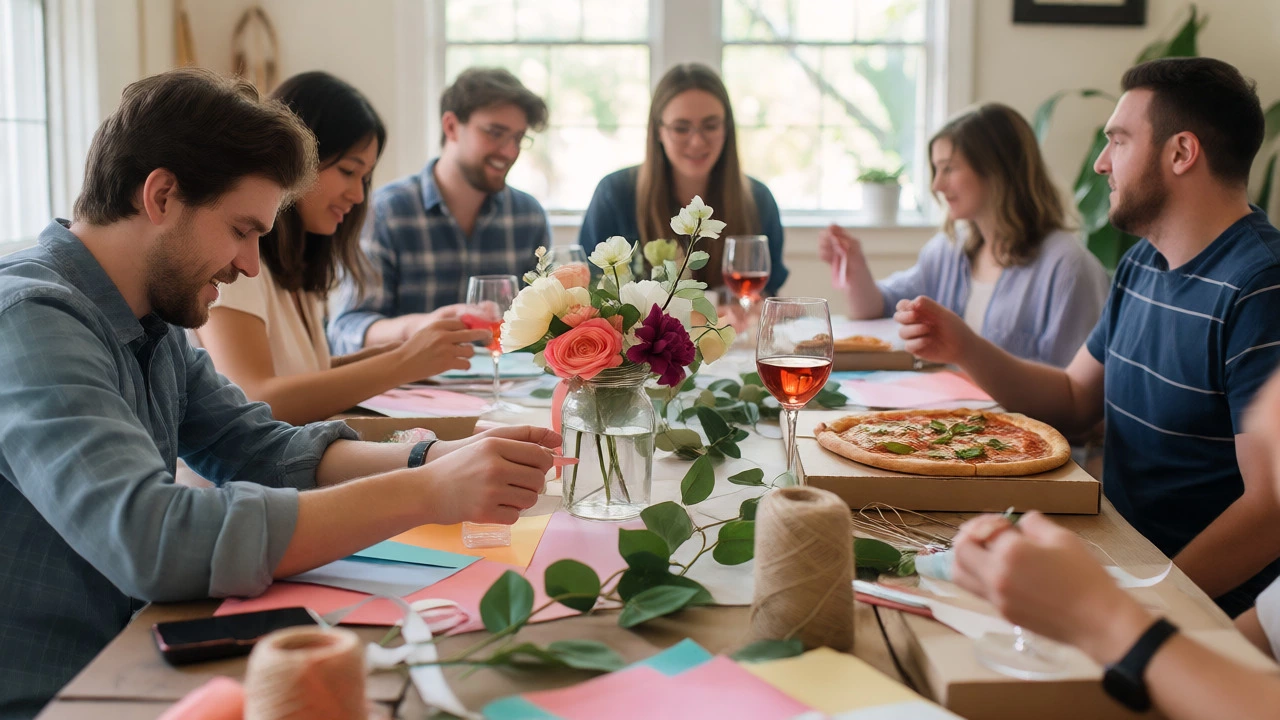
Don’t rely solely on your partner. They need to be mentally present for the ceremony, not worrying about whether the ribbon bow matches. Recruit friends and family, but treat it like a party, not a chore. Buy wine, order pizza, and play music. If people feel like they’re working, they’ll resent it. If they feel like they’re bonding over a creative activity, they’ll enjoy it. Assign specific roles: one person cuts, one person glues, one person inspects. Assembly lines reduce errors and speed up production.
Know What NOT to DIY
Some things are better left to the pros. Fresh flowers, for example, require cold storage and precise hydration management. Unless you have professional experience, arranging fresh blooms the morning of the wedding is risky. Instead, consider using high-quality artificial flowers for centerpieces and hiring a florist only for the bridal bouquet and boutonnieres. This hybrid approach saves money while reducing the risk of wilted disasters.
| Decoration Type | Difficulty Level | Time Commitment | Stress Risk |
|---|---|---|---|
| Paper Flowers | Medium | High (repetitive) | Low (if made weeks ahead) |
| Mason Jar Centerpieces | Low | Medium | Low (easy to transport) |
| Fresh Floral Arrangements | High | Very High (last minute) | High (perishable) |
| Handwritten Signage | Low | Low | Medium (calligraphy skill gap) |
| Drapery & Lighting | Medium | Medium | Medium (venue access issues) |
The Financial Reality Check
Let’s talk numbers. Yes, DIY saves money, but not always as much as you think. You need to account for tools you’ll buy once and use rarely, shipping costs for bulk orders, and the value of your own time. If you spend 40 hours making centerpieces and your hourly wage is $50, that’s $2,000 in "labor" cost. Add $500 in materials, and you’ve spent $2,500. A florist might charge $3,000 for similar work. Is saving $500 worth losing a weekend and gaining anxiety? For some, yes. For others, no.
Be honest with your budget. If cutting corners on decor means you can afford better photography or food-things guests remember longer-then DIY decor makes sense. But if you’re stressing over every penny because you overspent elsewhere, adding DIY labor might push you over the edge.
Emotional Payoff vs. Emotional Drain
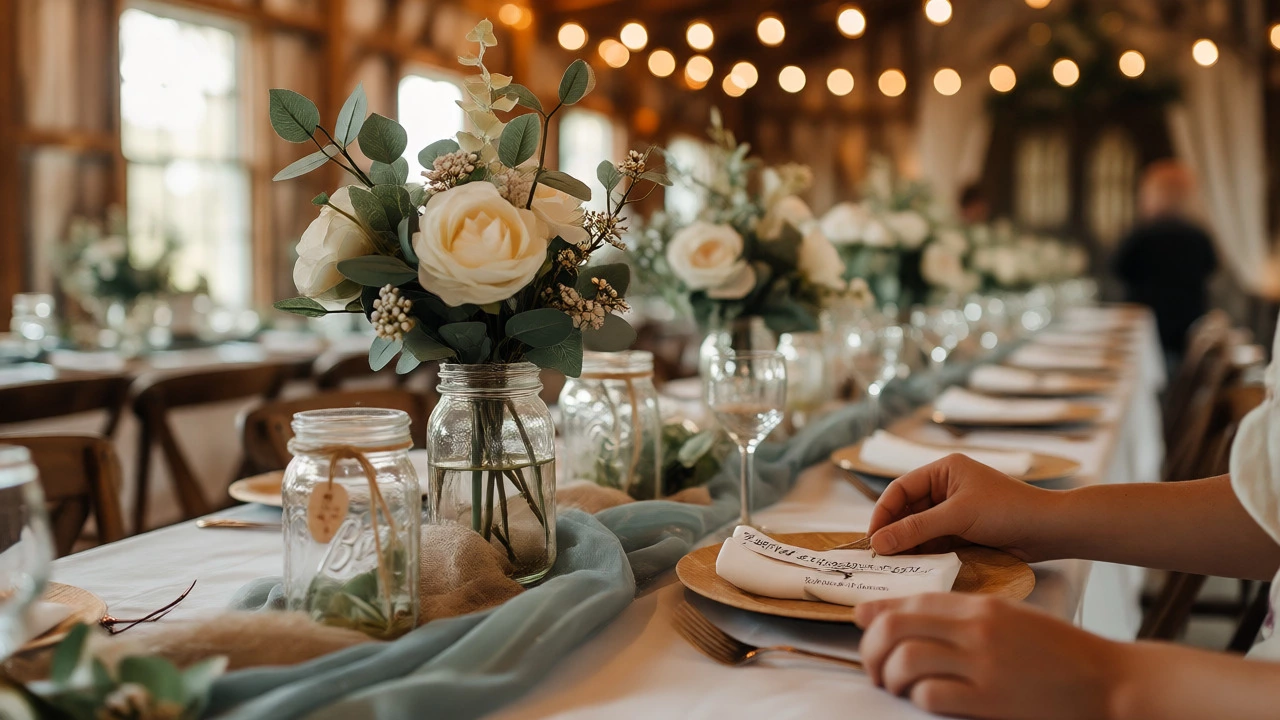
There’s a unique joy in walking into your reception hall and seeing a table arrangement you built with your own hands. Guests notice the effort. They ask about it. It becomes a conversation starter. That pride is real and valuable. However, this payoff only exists if the process wasn’t miserable. If you fought with your partner over paint colors or cried over broken glass, the memory will be tainted.
Ask yourselves: Do we enjoy crafting together? If yes, DIY is likely a positive addition to your wedding journey. If you both hate arts and crafts, forcing it will create resentment. In that case, buy pre-made items and personalize them slightly-add custom labels, tie on a small photo, or arrange them creatively. You get the "personal touch" without the heavy lifting.
Final Verdict: Is It Worth It?
A DIY wedding isn’t inherently stressful; poor planning is. If you start early, pick manageable projects, and leverage help from loved ones, you can keep the stress low and the satisfaction high. If you wait until the last minute, try to do everything yourself, and ignore venue constraints, you’re signing up for a headache.
My advice? Pick one or two key elements to DIY-maybe the welcome sign and the favor tags-and hire out the rest. This gives you a taste of customization without drowning in logistics. Remember, the goal of your wedding is to celebrate your love, not to prove your crafting skills. Protect your peace first; decorate second.
How far in advance should I start DIY wedding decorations?
You should start at least 3 to 4 months in advance. This allows time for testing designs, ordering materials that may ship slowly, and completing the bulk of the work without rushing during the final weeks when other wedding details pile up.
What are the easiest DIY wedding decorations for beginners?
The easiest projects include handwritten or printed signage, simple jar centerpieces with candles, personalized place cards, and basic fabric draping. These require minimal tools, have a low margin for error, and can be completed quickly in batches.
Does DIY really save money on wedding decor?
Yes, but less than many expect. While material costs are lower, you must factor in the cost of tools, shipping, and your time. On average, DIY can save 30-50% compared to full-service vendors, but complex projects like fresh floral arrangements may end up costing nearly the same due to waste and labor.
Who should help with DIY wedding preparations?
Recruit close friends and family members who enjoy crafting. Avoid relying solely on your partner, as they need to focus on other aspects of the wedding. Organize "craft nights" to make the process social and fun rather than feeling like unpaid labor.
What happens if my DIY decorations fail right before the wedding?
Always have a backup plan. Keep extra materials on hand for quick repairs. For critical items like the cake topper or main signage, consider having a digital file ready for last-minute printing or a simple alternative option. Flexibility reduces panic.