Wedding Dining Style Calculator
Your Details
Plated Dinner
Formal- Pros: Controlled pace, elegant, low waste.
- Cons: Higher labor cost, limited choices.
Wedding Buffet
Casual- Pros: Lower labor, high variety, great for dietary needs.
- Cons: Longer lines, staggered eating, potential waste.
Family Style
Hybrid- Pros: Communal feel, seated comfort, variety.
- Cons: Requires more staff than buffet, slower than plated.
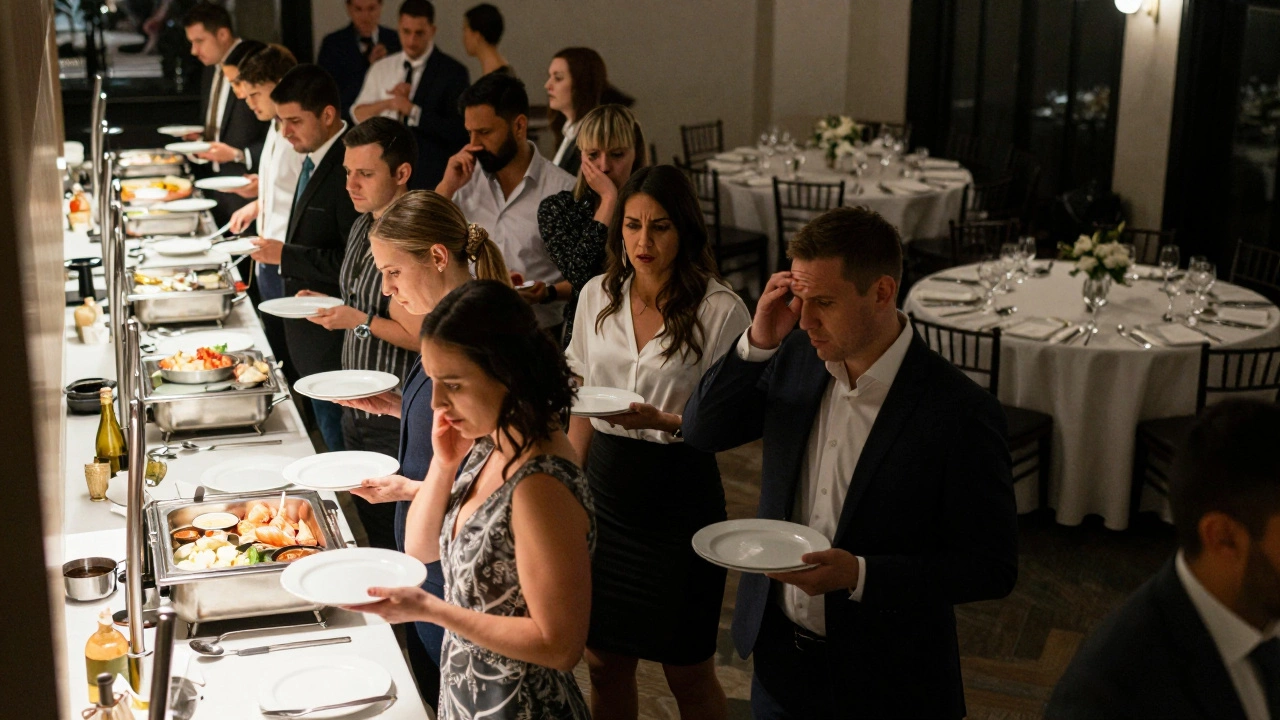
Imagine this: you’re at the peak of your celebration, music is playing, and everyone is ready to eat. But instead of sitting down to enjoy a meal with their loved ones, your guests are standing in a long line, holding plates like they’re waiting for lunch at a school cafeteria. Does that sound like the elegant evening you envisioned? Or does it sound like chaos?
The question of whether a wedding buffet is a self-service dining style where guests serve themselves from shared stations is one of the most debated topics in wedding planning. It’s not just about the food; it’s about the vibe, the flow, and the budget. For many couples, the buffet represents freedom and variety. For others, it screams informality and logistical nightmares.
To decide if this style fits your big day, we need to look past the stereotypes. We’ll break down the real costs, the hidden benefits, and the specific scenarios where a buffet shines-or fails. By the end, you’ll know exactly how to make this decision without stressing out.
The Real Cost Breakdown: Is a Buffet Cheaper?
Let’s address the elephant in the room first: money. The biggest reason couples choose a buffet is the belief that it saves money. And often, it does-but not always in the way you think.
In a traditional plated dinner is a formal service style where waitstaff bring pre-portioned meals to each guest's table, you pay for labor. You need servers to clear plates, pour wine, and deliver food in synchronized waves. In a buffet, you reduce that labor cost significantly. However, you might pay more for the food itself. Buffets often require larger quantities of high-quality ingredients because people tend to take more when they can see it all at once.
| Factor | Plated Dinner | Wedding Buffet |
|---|---|---|
| Labor Costs | High (many servers needed) | Low to Medium (fewer staff) |
| Food Waste | Low (pre-portioned) | Higher (guests may over-serve) |
| Variety | Limited (usually 3 choices) | Extensive (10+ options possible) |
| Dining Time | Fast and synchronized | Slower, staggered eating |
| Average Cost per Person | $50 - $80+ | $40 - $70+ |
If your goal is purely to cut the bottom line, a buffet can save you 10-20% on catering costs. But if you’re spending that saved money on fancy chafing dishes or extra decor to hide the setup, the savings vanish. Always ask your caterer for a detailed quote that includes both food and labor for both styles before deciding.
The Guest Experience: Comfort vs. Chaos
Your guests’ experience is paramount. A buffet changes the dynamic of the reception entirely. With a plated dinner, guests sit down, relax, and chat while food arrives. It’s intimate and relaxed. With a buffet, guests stand, crowd around tables, and compete for the last piece of salmon. It can feel energetic, but also stressful.
Consider your guest list. If you have elderly relatives, young children, or guests with mobility issues, a traditional buffet might be difficult for them. They may struggle to navigate crowded lines or reach high trays. On the flip side, a buffet allows picky eaters to find something they love. There’s no one who hates pasta, rice, and salad simultaneously. This variety can actually make guests happier than being forced into a chicken-or-fish choice.
Think about the social aspect too. Do you want your guests mingling? A buffet forces interaction as people move through the space. Do you want them settled? Then seating them with food delivered is better. Ask yourself: what kind of atmosphere do I want? Energetic and communal, or calm and curated?
Logistics and Timing: The Hidden Hurdles
Timing is everything at a wedding. With a plated dinner, the kitchen controls the pace. Food comes out in batches, ensuring everyone eats roughly at the same time. With a buffet, the clock starts ticking the moment the first plate leaves the station. If the line moves slowly, some guests finish their meal an hour before others start.
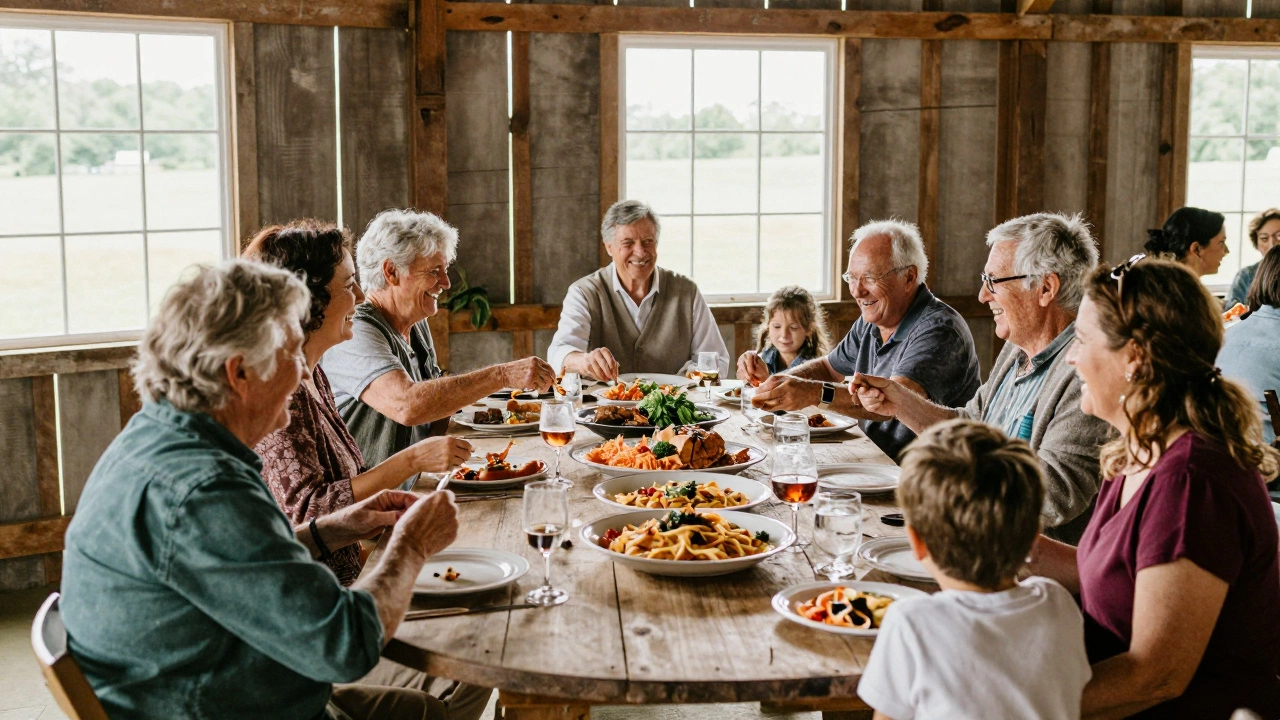
This creates a disjointed experience. Imagine dancing to your first dance while half the room is still waiting for appetizers. It kills the momentum. To mitigate this, many couples opt for a family-style service is a hybrid dining style where large platters are brought to tables and guests serve themselves from their seats. This combines the variety of a buffet with the seated comfort of a plated dinner. Servers bring large bowls of pasta or platters of meat to each table, allowing guests to serve themselves without leaving their chairs.
If you stick with a standard buffet, plan your timeline carefully. Allocate at least 90 minutes for dinner. Use multiple stations spread across the venue to avoid bottlenecks. Place drinks far away from the food to prevent congestion. These small tweaks can make a huge difference in how smoothly the night flows.
When a Buffet Actually Works
A buffet isn’t inherently bad. In the right context, it’s brilliant. Here are the scenarios where a wedding buffet shines:
- Casual Venues: Barns, beaches, gardens, and backyard weddings naturally suit a buffet. The informal setting lowers expectations for formality, making self-service feel appropriate rather than awkward.
- Diverse Dietary Needs: If you have guests with vegan, gluten-free, nut-allergy, and kosher requirements, a buffet makes it easier to label and separate foods clearly. Guests can see exactly what they are eating.
- Cultural Celebrations: Many cultures traditionally celebrate with abundant shared meals. A buffet honors these traditions by offering a wide array of dishes that reflect heritage and community.
- Larger Guest Counts: For weddings with 200+ guests, coordinating plated service can be logistically heavy. A well-managed buffet scales better and reduces the number of servers needed.
If your wedding fits any of these categories, a buffet could be the perfect fit. It adds authenticity and ease to the event.
How to Elevate a Buffet
You don’t have to accept a boring cafeteria-style experience. You can elevate a buffet to feel luxurious and intentional. Here’s how:
- Use Live Stations: Instead of static trays, hire chefs to prepare food live. Think omelet stations, carving stations, or taco bars. This adds entertainment value and keeps food fresh.
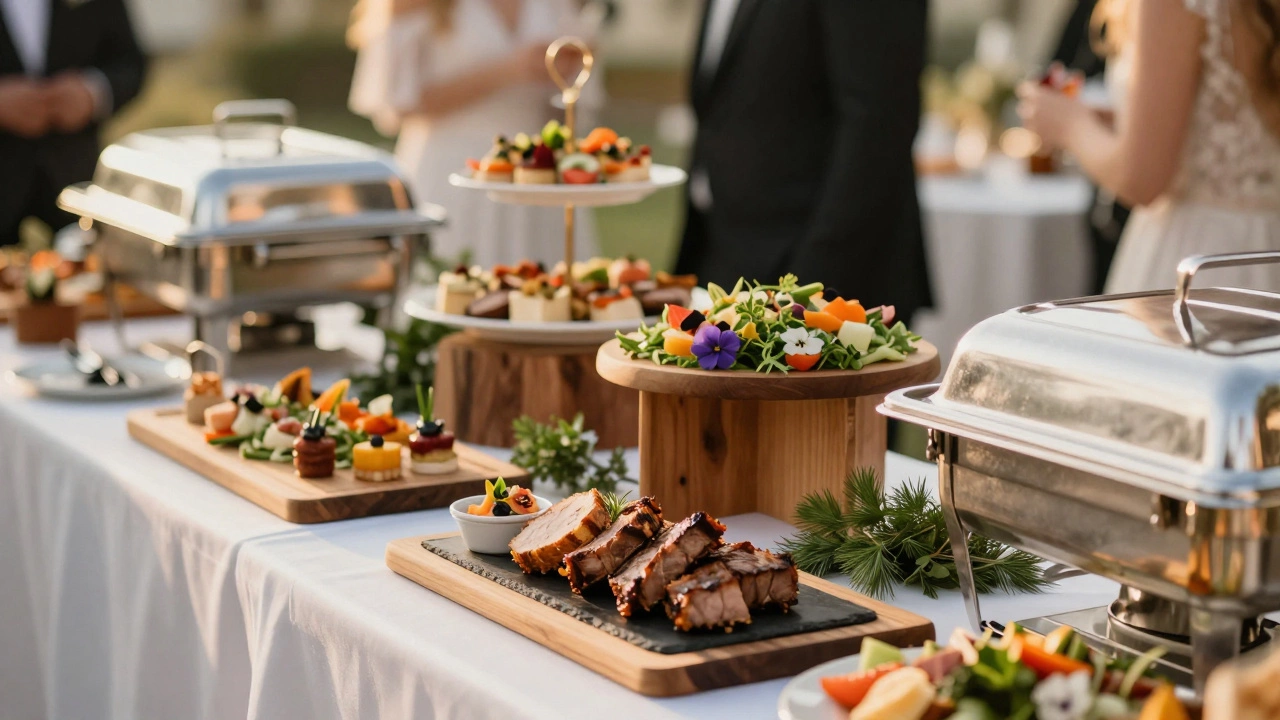
- Invest in Presentation: Skip the cheap aluminum chafing dishes. Use wooden boards, slate slabs, or tiered stands. Garnish heavily with fresh herbs and edible flowers. Visual appeal matters.
- Create Distinct Zones: Separate hot entrees, cold salads, desserts, and beverages. Label everything clearly with elegant cards. This prevents cross-contamination and confusion.
- Hire Extra Staff: Even with a buffet, you need staff to refill trays, clean spills, and guide guests. Don’t skimp here. A well-staffed buffet looks organized; an understaffed one looks chaotic.
- Offer Seating Options: Provide high-top tables with stools near the buffet for guests who prefer to eat while standing or chatting. This relieves pressure on the main dining area.
These touches transform a simple self-service meal into a memorable culinary experience. It shows your guests that you cared about the details, even if they served themselves.
Alternatives to Consider
If you’re torn between the formality of a plated dinner and the casual nature of a buffet, consider these middle-ground options:
- Food Trucks: Rent gourmet food trucks for a fun, interactive experience. Great for outdoor venues and younger crowds.
- Passed Hors d'oeuvres: Serve continuous small bites throughout the reception. No sitting required, maximum mingling. Best for smaller receptions or cocktail-hour-only events.
- Hybrid Service: Start with passed appetizers, then offer a buffet for the main course, followed by dessert stations. This balances structure with flexibility.
- Family-Style: As mentioned earlier, this brings the best of both worlds. Large platters are served to tables, encouraging sharing and conversation without the line.
Each alternative has its own pros and cons. The key is matching the service style to your venue, budget, and guest demographics.
Is a buffet less classy than a plated dinner?
Not necessarily. Classiness comes from execution, not format. A poorly executed plated dinner feels rushed and impersonal. A beautifully designed buffet with live cooking stations, elegant signage, and attentive staff feels luxurious and engaging. Focus on presentation and quality, not just the method of service.
How do I handle dietary restrictions with a buffet?
Label every dish clearly with ingredients and allergens. Create dedicated sections for gluten-free, vegan, and vegetarian options to prevent cross-contamination. Inform your caterer ahead of time so they can prepare safe alternatives. Clear labeling empowers guests to make confident choices.
Can I do a buffet for a black-tie wedding?
Yes, but it requires careful planning. Use upscale serving ware, ensure ample staffing, and consider a family-style approach to maintain elegance. Avoid casual elements like paper plates or plastic utensils. The food quality must match the formality of the attire.
What is the best food for a wedding buffet?
Choose foods that hold heat well and are easy to eat. Roasted meats, pasta dishes, grain bowls, and hearty salads work great. Avoid messy items like ribs or saucy wings unless you provide plenty of napkins. Include a mix of proteins, starches, and vegetables to satisfy all tastes.
How long should I allocate for a buffet dinner?
Plan for 90 minutes to two hours. This accounts for lining up, serving, finding a seat, and eating. If you have a large guest count, add extra time. Communicate this timeline to your photographer and DJ so they can adjust the schedule accordingly.