Wedding Size & Budget Estimator
Configuration
Estimates & Logistics
Planning Advice
At this size, you likely need assigned seating and professional coordination. A day-of coordinator is highly recommended.
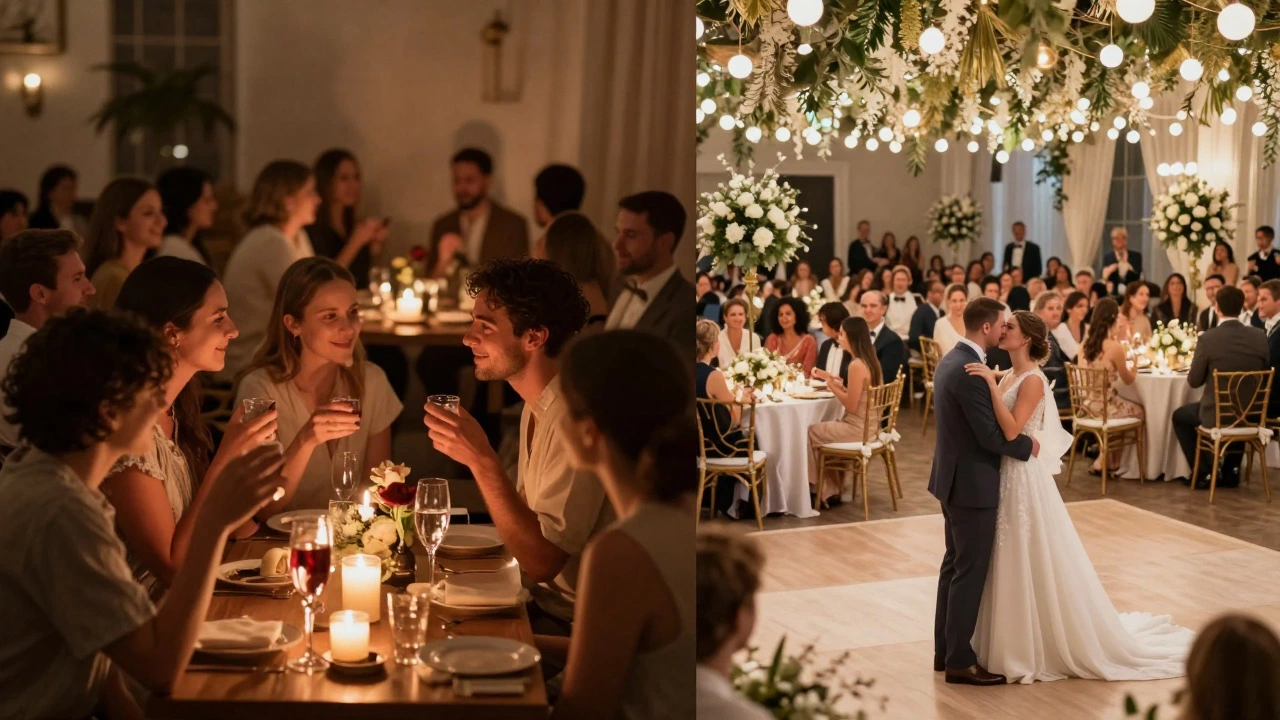
You’ve set your date. You’re dreaming of the dress. But then comes the question that stops every couple in their tracks: how many people are actually coming? If you’re hovering around the number 100, you might be wondering if that counts as a "small" wedding or if you’re accidentally drifting into medium territory. The short answer is yes-100 guests is widely considered a small wedding. But the reality is a bit more nuanced than just a label.
In the world of wedding planning, which involves coordinating vendors, venues, and timelines based on headcount, size dictates everything from your budget to your vibe. A party of 100 feels very different from a party of 250. It changes the noise level, the intimacy, and yes, the price tag. Let’s break down exactly where 100 sits on the spectrum, what it costs, and whether it’s the right move for you.
The Official Wedding Size Breakdown
To understand if 100 is small, we have to look at the broader landscape. There isn’t one single governing body that defines these terms, but the industry has settled on some general standards. These aren’t rigid laws, but they help you talk to planners and venues with a shared language.
| Category | Guest Count Range | Vibe & Characteristics |
|---|---|---|
| Micro Wedding | Under 50 guests | Extremely intimate, often just immediate family and closest friends. Lower cost, high flexibility. |
| Small Wedding | 50-100 guests | Intimate but celebratory. Allows for a few extended family members. Easier to manage personally. |
| Medium Wedding | 100-200 guests | The traditional standard. Requires professional coordination. Higher budget requirements. |
| Large Wedding | 200+ guests | Grand celebrations. Needs significant logistical support, large venues, and substantial budgets. |
As you can see, 100 guests sits right at the top edge of the "small" category and the bottom edge of the "medium" category. Some planners will call it small; others will say it’s a lean medium. Why does this distinction matter? Because once you cross 100, things start getting complicated. You likely need a hired DJ instead of a playlist, a caterer with a full kitchen setup instead of food trucks, and a venue with proper parking facilities.
The Budget Reality of a 100-Person Wedding
Let’s talk money, because that’s usually why people ask about size. In New Zealand, and globally, the biggest driver of wedding cost is per-head pricing. When you invite 100 people, you aren’t just paying for 100 plates of food. You’re paying for 100 seats, 100 glasses, 100 napkins, and potentially 100 hours of staff time.
If you were aiming for a micro wedding of 30 people, you could probably pull off a beautiful day for $15,000-$20,000 NZD by using a backyard or a small community hall. But jump to 100 guests, and that budget often doubles or triples. Here is why:
- Catering Costs: A sit-down dinner for 100 people requires a larger kitchen space and more staff. Per-person costs for catering typically range from $80 to $150 NZD depending on the menu complexity.
- Venue Fees: Venues charge based on capacity usage. A room that holds 150 might charge you a premium even if you only use 100 spots, because you’re locking them out of other clients.
- Invitations & Stationery: This sounds minor, but printing and mailing 100 sets of invitations adds up. Plus, you’ll need place cards, table numbers, and menus for every seat.
However, there is a silver lining. At 100 guests, you still have enough scale to negotiate better rates with photographers and florists than you would with a group of 20. They know they’ll get decent work out of the day. So, while it’s more expensive than a micro wedding, it’s significantly cheaper than the 250-guest affairs that can easily blow past $100,000.
Logistics: Where 100 Guests Gets Tricky
Planning a wedding for 100 people is like herding cats compared to planning for 30. The logistics shift from "manageable DIY" to "requires professional help."
First, consider the seating chart. With 100 guests, you can’t just let people wander and find a spot. You need assigned seating to ensure families are together and awkward exes aren’t next to each other. This means you need round tables (usually ten tables of 10) or long banquet setups. You need to measure square footage carefully. A common mistake couples make is underestimating how much space dance floors and bars take up. For 100 guests, you need roughly 10-12 square feet per person for a comfortable mix of dining and dancing.
Then there’s the timeline. Getting ready for 100 people takes longer. The ceremony procession is longer. The cocktail hour needs to be structured so guests don’t run out of drinks before the food arrives. At this size, hiring a wedding planner who coordinates vendors, timelines, and guest flow becomes almost essential. Without one, you or your best man will spend the entire day running around fixing issues rather than enjoying the moment.
Choosing Your Venue for 100 Guests
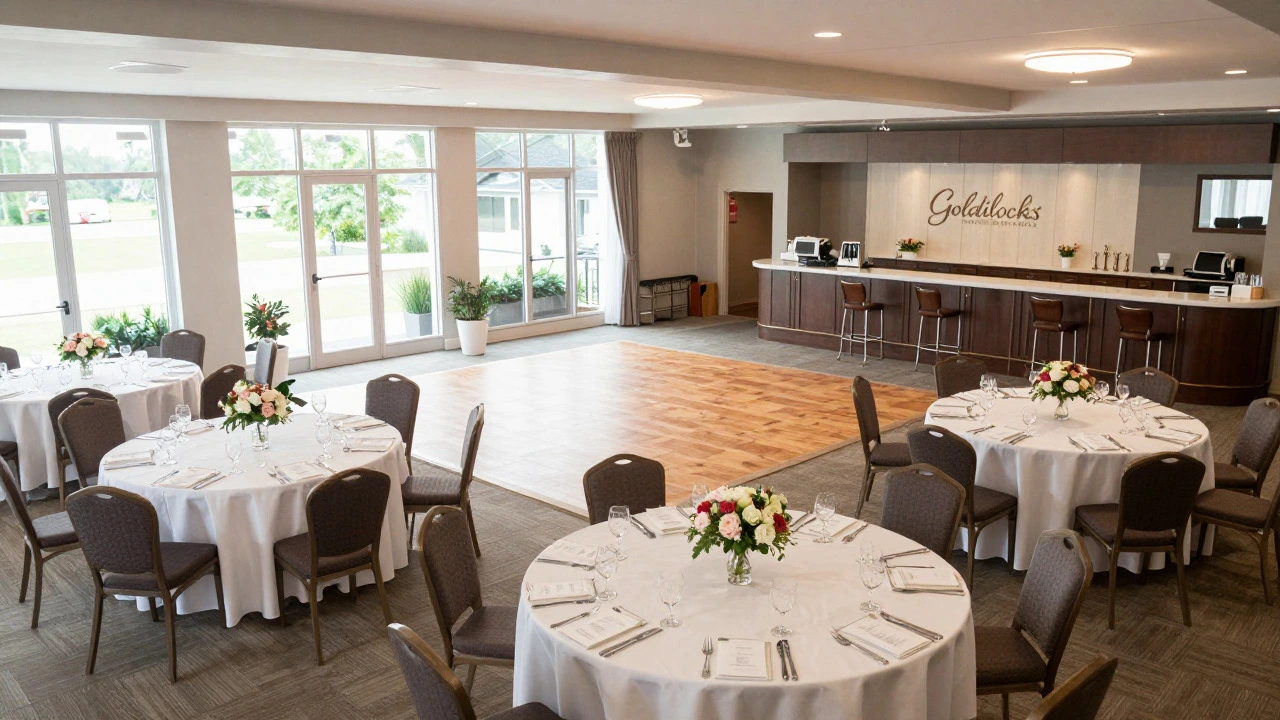
Finding a venue for exactly 100 guests can actually be harder than finding one for 200. Many large ballrooms require minimums of 150 or 200 covers to justify their rental fee. On the flip side, tiny boutique spaces might cap out at 60.
You need a "Goldilocks" venue. Look for:
- Community Halls or Event Spaces: These are often affordable and flexible. They usually have basic amenities like restrooms and parking, which is crucial for 100 cars.
- Boutique Hotels: Many smaller hotels have function rooms designed for 80-120 guests. They offer the benefit of on-site accommodation for out-of-town relatives.
- Rural Barns or Wineries: Popular in places like Auckland’s surrounding regions. Just check their capacity limits strictly. Fire safety regulations often dictate maximum occupancy, so don’t assume a big barn fits 200 just because it looks empty.
When visiting venues, ask specifically about their "minimum spend" versus "room rental fee." Some venues will waive the rental fee if you hit a certain catering spend, which can be a smart way to save money at the 100-guest mark.
The Social Dynamics: Is 100 Too Many?
Here is the hard truth: 100 guests is a lot of people to know intimately. If your goal is an intimate wedding where everyone knows everyone, 100 might feel too crowded. You’ll have strangers mingling. You’ll have cousins who haven’t seen each other in years trying to figure out where to sit.
If you want true intimacy, aim for 50-70. That’s the sweet spot where you can genuinely interact with most of your guests during the reception. At 100, you become more of a host observing a party rather than a participant in it. You’ll greet people at the door, share a dance with key family members, and then retreat to eat. It’s less personal, but it’s also more festive and energetic.
Consider the "plus-one" factor. If you invite 50 couples, you’re already at 100. If you invite 100 individuals, you might end up with 150 people if half bring partners. Be clear in your wedding invitations which communicate details, tone, and RSVP instructions to guests. Specify "Mr. John Smith" rather than "The Smith Family" to avoid ambiguity about who is invited.
How to Trim the List Without Drama
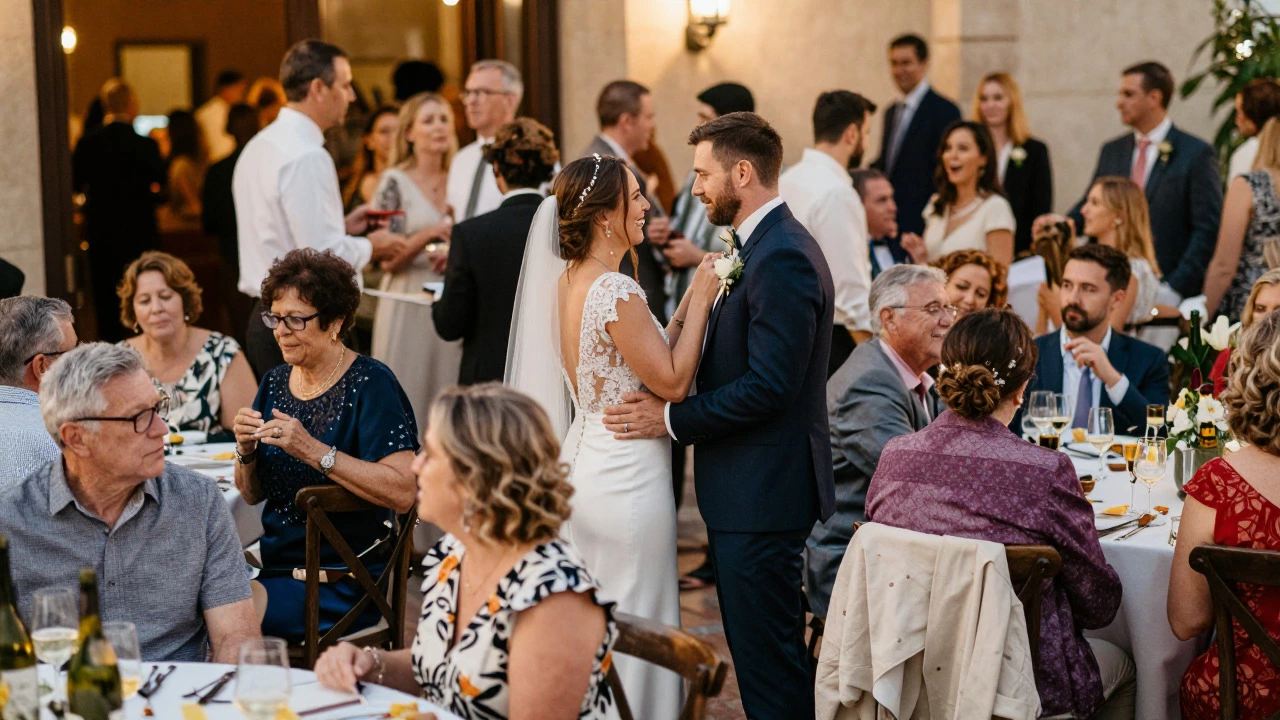
If you love the idea of a small wedding but your list keeps creeping toward 120 or 130, you need editing strategies. Here is how to cut guests without hurting feelings:
- The "Last Contact" Rule: If you haven’t spoken to someone in the last two years, do they really need to be there? If the answer is no, cut them.
- Age Cutoffs: It’s controversial, but setting a rule like "no children under 10" or "adults only" is a standard way to reduce numbers. It makes the event easier to manage and often cheaper.
- Separate Celebrations: Host a small wedding ceremony for immediate family and close friends (50 people), and then throw a separate casual BBQ or party later in the year for the wider circle. This is becoming increasingly popular and saves a fortune.
Final Thoughts on the 100-Guest Mark
So, is 100 guests a small wedding? Technically, yes. Practically, it’s a serious undertaking. It’s the bridge between a private gathering and a public event. It offers the best of both worlds if managed correctly: enough people to create a lively, memorable atmosphere, but few enough that you can keep costs somewhat controlled and maintain a degree of personal connection.
Just remember that "small" doesn’t mean "easy." A 100-person wedding requires more organization, more money, and more vendor coordination than a micro wedding. If you’re ready for that level of effort, go for it. If you want simplicity, consider trimming the list to 75. Either way, the size matters less than how well you plan for it.
What is the average cost of a 100-person wedding in New Zealand?
In New Zealand, a 100-person wedding typically costs between $40,000 and $70,000 NZD. This varies heavily based on venue choice, catering style (buffet vs. plated), and whether you hire a full-service planner. Micro weddings may cost under $20,000, while large weddings can exceed $100,000.
Is 100 guests too many for a backyard wedding?
It depends on your property size and local council regulations. For 100 guests, you need adequate parking, restroom facilities (portable toilets are often required for this size), and power supply. Check with your local council for noise ordinances and temporary structure permits.
Do I need a wedding planner for 100 guests?
While not legally required, a coordinator or planner is highly recommended for 100 guests. At this size, managing vendor timelines, seating charts, and guest flow becomes complex. A day-of coordinator can ensure you enjoy your celebration without stressing over logistics.
What is the difference between a micro wedding and a small wedding?
A micro wedding typically includes fewer than 50 guests, focusing on immediate family and closest friends. A small wedding ranges from 50 to 100 guests, allowing for more extended family and friends. Micro weddings are generally lower cost and simpler to organize.
How many tables do I need for 100 guests?
For round tables, you will need approximately 10 tables seating 10 people each. If using rectangular banquet tables, you might need 10-12 tables depending on length. Always account for extra space for dance floors, bands, and buffet stations when calculating floor plan needs.