Wedding Photo Count Estimator
Use this tool to estimate a realistic range of delivered images for your specific wedding scenario. Remember, quality curation is more important than raw volume.
Enter your details and click "Calculate Estimate" to see your projected photo count.
Your Estimated Deliverables
Raw Captures: ~0
Curation Rate: 0%
*Based on industry standards for professional editing workflows.
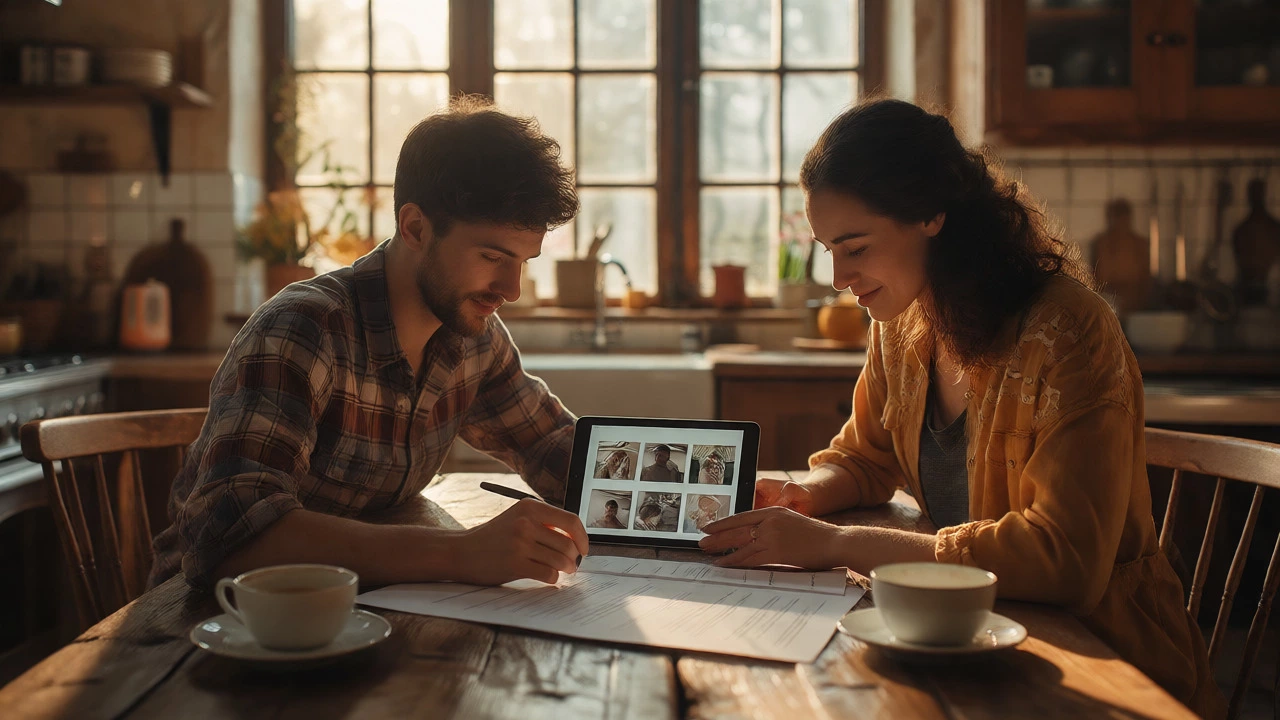
You’re sitting at your kitchen table, coffee in hand, staring at the contract from that wedding photographer you finally booked. It’s signed, sealed, and paid for (mostly). But then it hits you: how many pictures are you actually getting? Is 500 enough? Is 2,000 too many to sift through? Or is the number just a marketing gimmick designed to make one vendor look better than another?
Here’s the truth that most industry blogs gloss over: there is no single magic number. The right amount of photos depends entirely on the length of coverage, the style of shooting, and what “delivered” actually means in your specific contract. A six-hour elopement isn’t comparable to a twelve-hour traditional reception with a first dance, cake cutting, and grand exit. If you judge all weddings by the same yardstick, you’ll either feel shortchanged or overwhelmed.
The Reality Behind Photo Counts
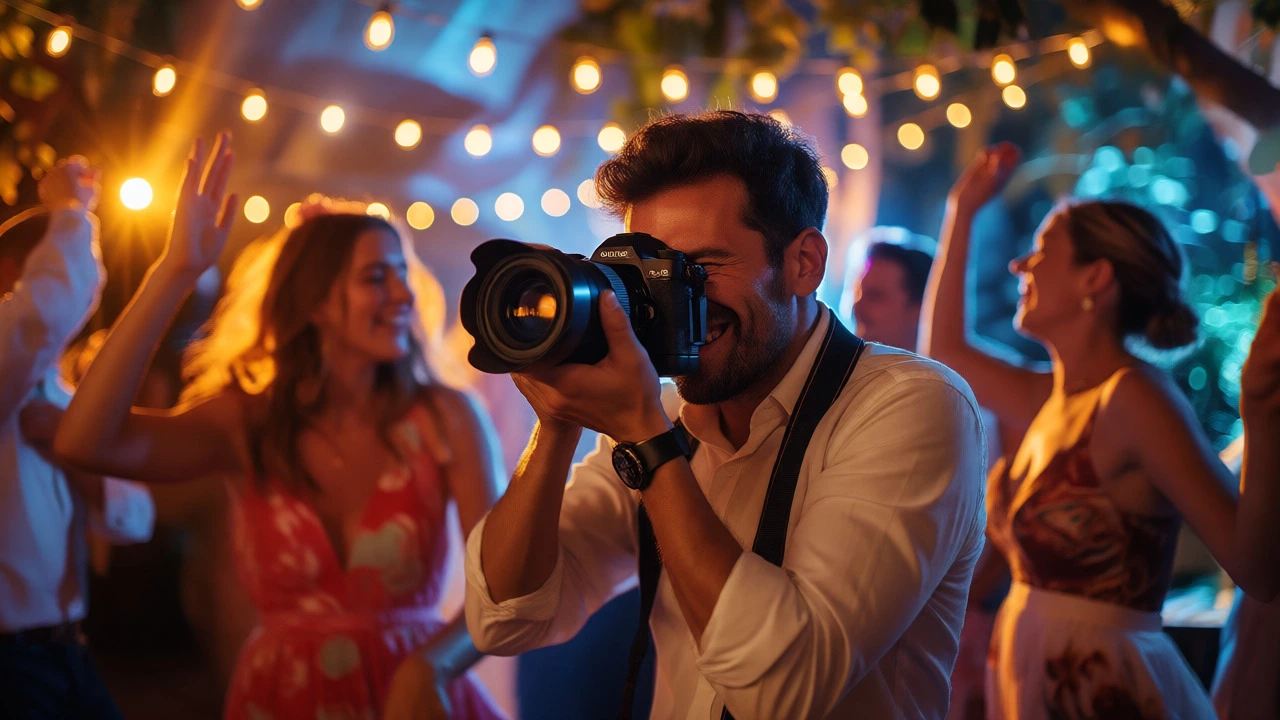
Let’s break down the math because photographers don’t just guess these numbers. They shoot continuously. A professional using a high-end mirrorless camera like a Sony A7 IV or Canon R5 can fire off dozens of frames per second during key moments. For an eight-hour wedding day, a photographer might take anywhere from 3,000 to 6,000 raw images. That sounds impressive until you realize that maybe 10-15% of those are keepers. The rest are blinks, missed focus, duplicate shots, or awkward transitions.
So, when a package promises "800 edited images," they aren’t handing you 800 random snapshots. They are curating the best of the bunch. This editing process-color grading, cropping, exposure correction-is where the value lies. You aren’t paying for storage space; you’re paying for the eye that selects the stories worth keeping.
| Coverage Duration | Typical Shot Count (Raw) | Expected Edited Deliverables | Best For |
|---|---|---|---|
| 4-6 Hours | 1,500 - 2,500 | 300 - 500 | Elopements, micro-weddings, ceremony only |
| 8 Hours | 3,000 - 4,500 | 600 - 800 | Standard ceremonies and receptions |
| 10-12 Hours | 5,000 - 7,000+ | 800 - 1,200+ | Multi-day events, large parties, extensive details |
What "Edited" Actually Means
This is where confusion spikes. When a photographer says "edited," do they mean every single file has been manually retouched? Usually, no. In modern digital workflows, most delivered images receive global adjustments-white balance, contrast, saturation-applied via software like Adobe Lightroom. These look great and consistent. However, heavy retouching (removing blemishes, fixing stray hairs, compositing skies) is typically reserved for a select few, often called "heavily edited" or "artistic" selects.
If you want more heavily retouched portraits, ask if that’s included in the base count or if it costs extra. Some vendors charge $50-$100 per additional retouched portrait. Knowing this distinction prevents sticker shock later.
Why More Isn’t Always Better
We live in an era of infinite digital storage, so why not get everything? Because curation is part of the art form. Handing a client 2,000 uncurated JPEGs is like serving a buffet where every dish is lukewarm. You end up with decision fatigue. I’ve seen couples spend months trying to organize 1,500 photos, only to print twenty. Meanwhile, a well-curated album of 400 images tells a cohesive story.
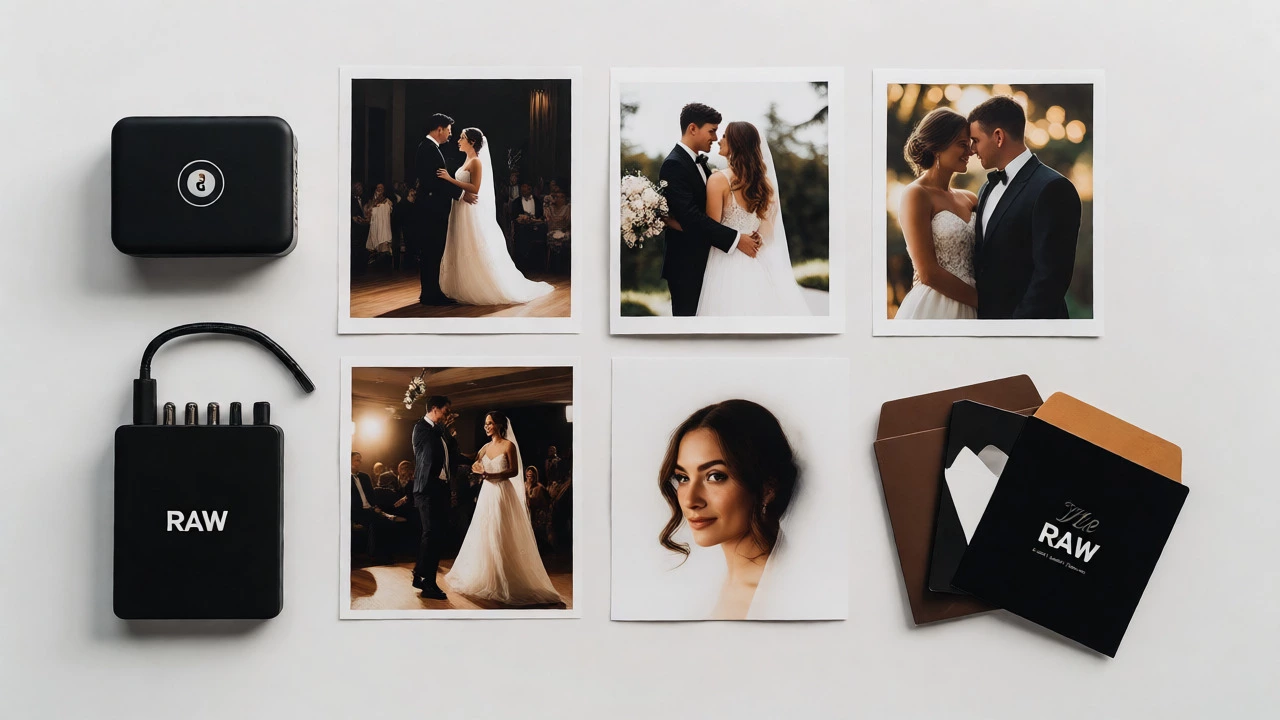
Consider the emotional impact. Seeing yourself blink in ten consecutive shots of the vows doesn’t add joy; it adds noise. Photographers delete duplicates and outtakes to protect your experience. If you really want access to the raw files, some photographers offer them as an add-on, but be warned: raw files look flat and gray without processing. You’ll need editing skills to make them usable.
Factors That Change Your Number
Your guest list size matters more than you think. A wedding with 20 guests generates fewer candid interactions than one with 200. Fewer people means fewer unique groupings, less crowd energy, and potentially fewer spontaneous moments. Conversely, larger weddings require more time for family formals, which eats into candid shooting time. If you have complex family dynamics, you might trade candids for posed shots, affecting the final mix.
Location plays a role too. Urban weddings with multiple venues (getting ready in a hotel, ceremony in a park, reception in a warehouse) allow for varied backdrops, encouraging more creative setups and thus more distinct images. Rural weddings with a single scenic spot might yield beautiful consistency but fewer location-based variations.
How to Verify Your Contract
Don’t rely on verbal promises. Check the fine print for these specifics:
- Minimum Guarantee: Does the contract state a minimum number of delivered images? Good contracts say "no fewer than X images." Bad ones say "approximately X images," leaving room for disappointment.
- Format: Are you getting JPEGs, TIFFs, or both? Do you get rights to print and share?
- Timeline: How long until delivery? Rush services cost more. Standard turnaround is 4-8 weeks.
- Second Shooter: If you hire a second shooter, does their footage get merged into the main gallery? Often, second shooters provide additional angles, increasing the total count by 20-30%.
Questions to Ask Before Booking
Treat this like any major purchase. Interview potential photographers with these questions:
- "Can I see a full gallery from a recent wedding similar in size to mine?" Full galleries reveal true quality and quantity, unlike curated portfolios.
- "Do you include all usable images, or do you delete duplicates aggressively?"
- "If we go over our contracted hours, what is the hourly rate for additional coverage?"
- "Are there any hidden fees for printing rights or high-resolution downloads?"
Remember, the goal isn’t to hoard pixels. It’s to capture the day accurately and beautifully. Trust the professional’s judgment on selection, but ensure the volume aligns with your expectations and budget. If you’re a detail-oriented person who loves seeing every angle, negotiate for higher coverage hours rather than demanding a fixed high number of edits. More time equals more opportunities for unique shots.
Is it normal to receive fewer than 500 photos?
Yes, especially for shorter coverage times (under 6 hours) or minimalist/elopement styles. Quality over quantity is a valid approach. If the images are stunning and cover all key moments, 300-400 can be plenty.
Should I pay extra for RAW files?
Only if you plan to edit them yourself. RAW files are unprocessed and look dull compared to the final JPEGs. Most clients prefer the finished product. If you hire a separate editor later, RAWs are essential, but otherwise, they’re rarely used.
What if my photographer delivers way more than promised?
This is usually a good sign! It means they had a productive day. However, check if the extra images are fully edited or just lightly processed. Sometimes bulk deliveries include lower-effort edits to meet volume targets.
Do second shooters increase the photo count?
Significantly. A second shooter captures different angles, reactions, and details simultaneously. Expect a 20-40% increase in total delivered images, plus more variety in composition.
How long should I wait for my photos?
Industry standard is 4-8 weeks. Peak season (summer/fall) may push this to 10-12 weeks. Rush delivery options usually cost an additional fee and guarantee return within 1-2 weeks.