Wedding Photographer Outfit Score
Answer these questions about your planned outfit to see how "invisible" you will be during the shoot. Aim for a high score to stay out of the frame.
Your Score
Detailed Feedback
- Awaiting data...
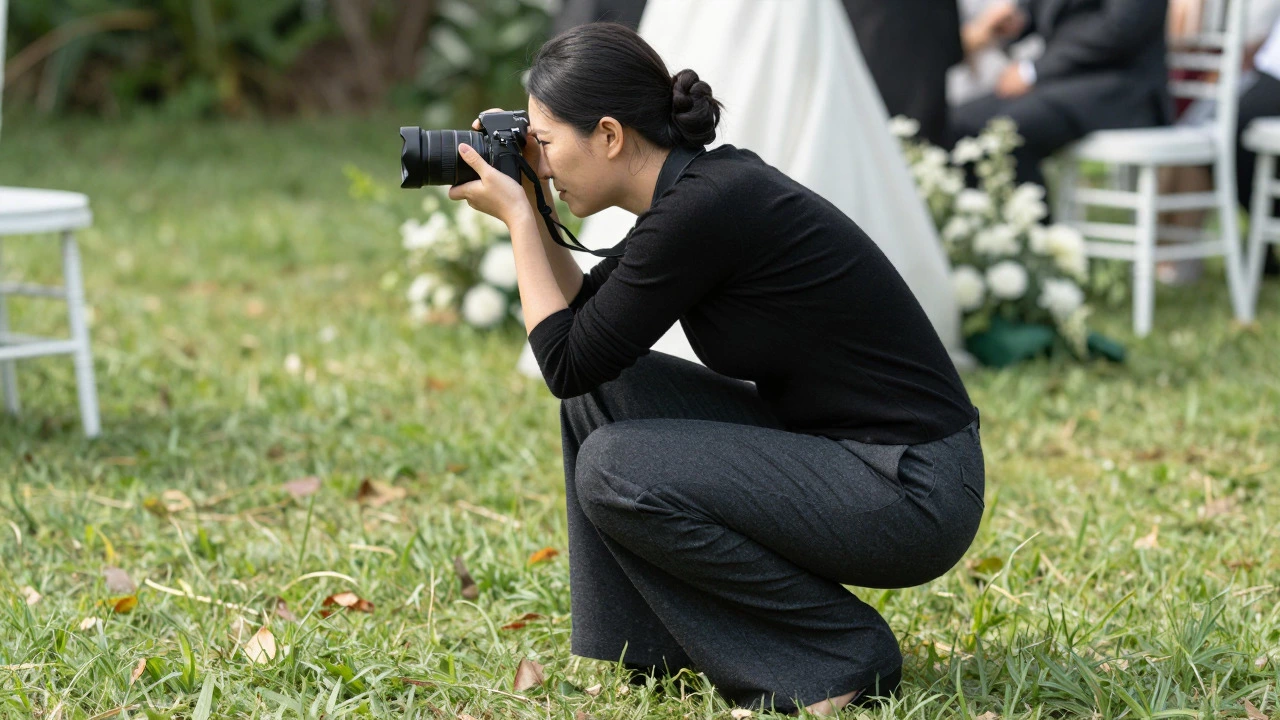
There is a specific moment in every wedding where the couple stops posing and just talks. They laugh, they cry, they check their phones. In those unscripted seconds, your camera captures the truth. But if you are wearing a loud red blouse or shiny metallic accessories that catch the flash, you become part of the story instead of just observing it. For a female wedding photographer is a professional who documents a couple's special day while remaining visually unobtrusive to maintain the natural flow of events. Your goal is simple: be present enough to get the shot, but invisible enough to let the emotion happen.
Dressing for a wedding isn't about fashion trends. It is about functional invisibility. You need clothes that move with you when you crouch for a low angle, stay dark enough not to blow out in bright sunlight, and lack any patterns that distract from the bride's gown. Let’s break down exactly how to build an outfit that serves the client, not your personal style.
The Core Rule: Neutral and Dark Tones
The single most important rule is color choice. Light colors reflect light. If you wear white, cream, or pastel pink, you will look like a glowing rectangle in wide shots taken by the second shooter or videographer. Worse, if you stand near a window during the ceremony, you might cast a shadow or reflect glare onto the couple.
Dark neutrals are your best friends. Black is the standard for a reason-it absorbs light and disappears into the background. Charcoal gray, navy blue, and deep olive green are excellent alternatives if black feels too harsh. Avoid pure white at all costs unless you are specifically hired as a "white-on-white" stylistic choice (which is rare and risky). Avoid bright primary colors like red, yellow, or electric blue. These draw the eye immediately. When a guest looks up from their plate, their gaze should land on the groom, not on your shirt.
- Best Colors: Black, charcoal, navy, dark grey, forest green.
- Acceptable Colors: Dusty rose (if muted), slate blue, taupe.
- Avoid: White, beige, bright red, neon, metallics, large floral prints.
Fabric and Fit: Moving Like a Ghost
You will be on your feet for eight to ten hours. You will squat, kneel, climb stairs, and hold heavy gear. Your clothing must accommodate this physical reality. Stiff fabrics like denim or structured blazers restrict movement and can make noise when you shift your weight. Noise is a dealbreaker. The last thing a couple wants to hear is the rustle of your jacket when the officiant says, "You may now kiss the bride."
Choose soft, matte fabrics. Cotton blends, linen (if dark and non-sheer), and high-quality jersey knits work well. The fit should be relaxed but not baggy. Baggy clothes can get caught on tripods or chair legs. Tight clothes can leave marks or feel uncomfortable after six hours of standing. Aim for a silhouette that allows you to bend forward without pulling at the hem.
Consider the venue climate. If it is a summer outdoor wedding, breathable fabrics are essential to avoid sweat stains, which show up clearly in photos under direct sunlight. If it is a winter indoor event, layering is key so you can remove a cardigan if the reception hall gets warm from dancing guests.
Top Choices: What to Wear on Top
Your top is visible in almost every photo you take of yourself reviewing images, and it reflects in windows and mirrors. A solid-color t-shirt in a dark shade is the gold standard. It is comfortable, cheap to replace if stained, and completely unobtrusive. Many professional photographers own five or six identical black tees for this exact purpose.
If you prefer something more structured, a fitted knit top or a silk-blend blouse in a dark tone works. Avoid lace, ruffles, or anything with texture that catches light. A button-down shirt in a dark color is also acceptable, but ensure the buttons are dark and do not glint. Leave the collar open or keep it neat; avoid oversized collars that add visual bulk.
Bottoms: Comfort Meets Professionalism
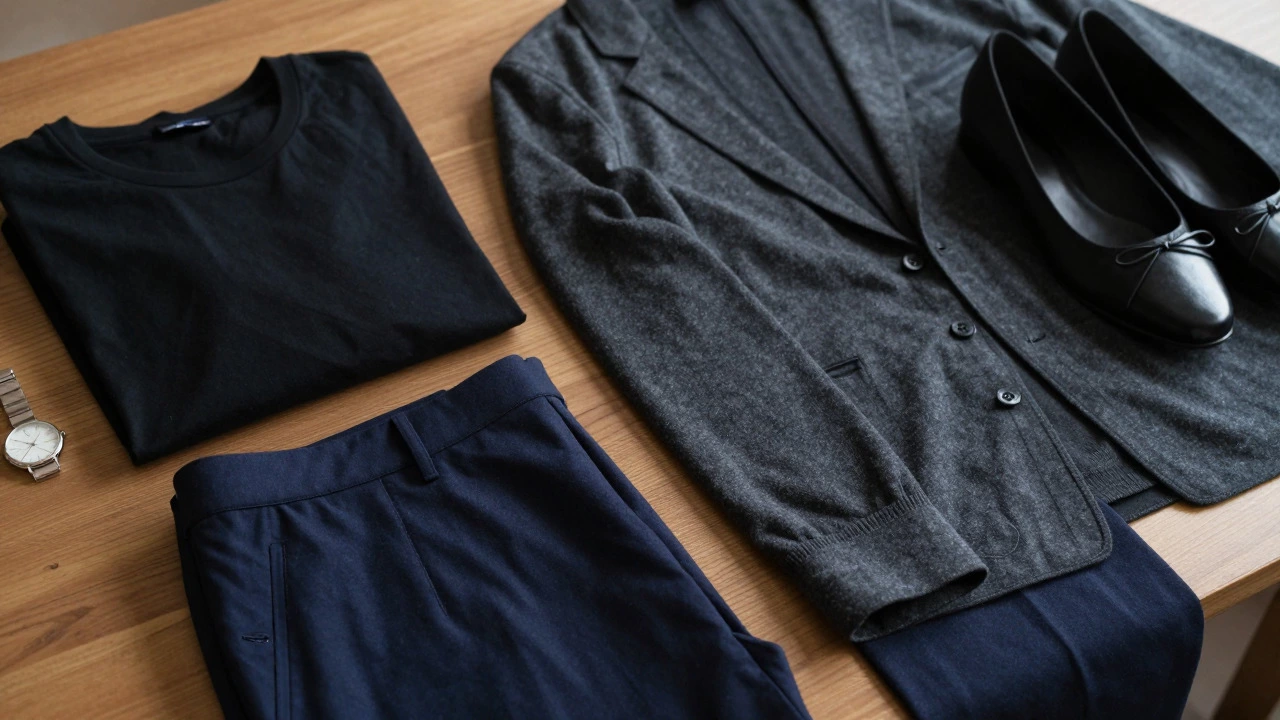
For bottoms, comfort is non-negotiable. You will be walking on grass, sand, concrete, and tile. Jeans are a common choice because they are durable and come in dark washes. However, ensure they are slim-fit or straight-leg, not flared or distressed. Distressed jeans have holes that can snag on equipment and look casual rather than professional.
Trousers are often better for long days. Wide-leg trousers in a dark fabric offer airflow and ease of movement. They also drape well, reducing the chance of them catching on things. Avoid skirts and dresses unless you are confident in your ability to move freely. A midi-length skirt in a dark, flowing fabric can work, but it requires constant awareness to keep it out of the way. Pants are simply safer for active shooting.
Shoes: The Foundation of Your Day
This is where many photographers fail. Do not wear heels. Ever. Unless you are certain the venue has only smooth, flat surfaces and you are a seasoned heel-walker, stick to flats. You need stability when climbing a hill for a landscape shot or balancing on a balcony railing. Shoes should be broken in before the wedding day. New shoes mean blisters, and blisters mean pain, and pain means you stop shooting early.
Black leather flats, ballet-style shoes, or clean, minimal sneakers in a dark color are ideal. Ensure they are silent. Some rubber soles squeak on polished floors. Test your shoes in advance by walking around your house. If they make noise, find new ones. Your footwear should disappear as much as your face does.
Accessories: Less Is More
Every accessory you wear is a potential distraction. Large earrings swing and catch light. Bright watches glint in the sun. Noisy bracelets jingle when you adjust your camera settings. Keep jewelry minimal. Small stud earrings in a dark metal or no earrings at all are best. A simple, thin watch is acceptable if you need to track time, but a phone app is quieter and less visible.
Hair should be pulled back. Loose hair can fall over your face, obstructing your view through the lens, or blow into the frame. A sleek bun or a tight ponytail keeps everything out of the way. Avoid headbands or clips with decorative elements. If you wear glasses, ensure the frames are dark and non-reflective. Anti-glare coating is a must-have to prevent reflections on your lenses from appearing in mirror shots.
Venue-Specific Adjustments
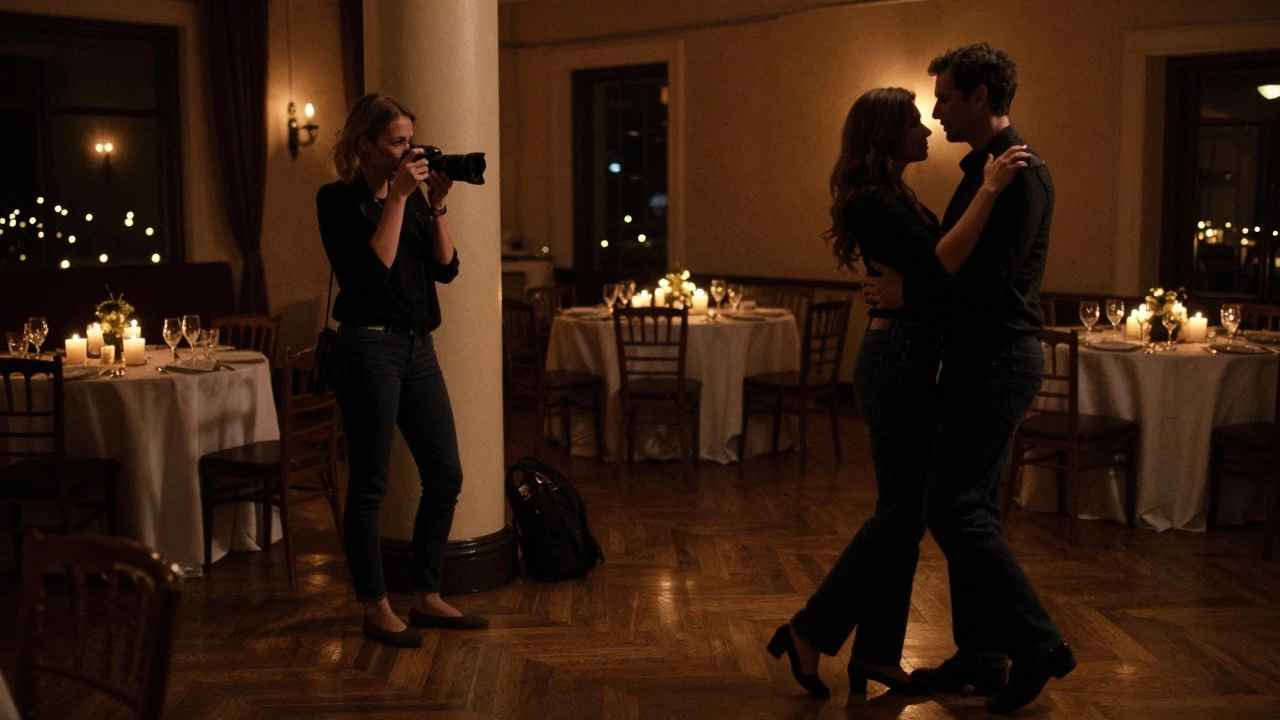
While the general rules apply everywhere, specific venues require slight tweaks. For a beach wedding, avoid cotton that takes forever to dry if it gets damp from humidity. Synthetic blends wick moisture better. For a formal ballroom, you might lean toward slightly more polished fabrics like wool blends, but still keep the color dark. For a rustic barn wedding, durability is key. Muddy grass is inevitable, so choose pants that can handle dirt and shoes that won’t ruin the floorboards later.
| Element | Recommended Choice | Why It Works | What to Avoid |
|---|---|---|---|
| Color | Black, Navy, Charcoal | Absorbs light, stays in background | White, Pastels, Neon |
| Fabric | Cotton, Jersey, Matte Knit | Silent, breathable, flexible | Denim, Satin, Lace |
| Footwear | Broken-in Flats, Minimal Sneakers | Stable, silent, comfortable | Heels, New Shoes, Loud Soles |
| Accessories | Small Studs, Thin Watch | Minimal light reflection | Large Earrings, Bangles |
Common Mistakes to Avoid
Even experienced photographers make these errors. One common mistake is wearing a logo on the chest. If your brand name is printed in white across your heart, it becomes a watermark in every selfie you take and a distraction in candid shots. If you must wear branded apparel, ensure the logo is small, dark, and located on the sleeve or side.
Another error is ignoring the weather forecast. If it rains, a light-colored raincoat turns you into a beacon. Pack a dark, compact umbrella and a dark waterproof shell. Finally, don’t forget to check your outfit in natural light. What looks dark in your closet might look grayish-blue in daylight. Always do a final check outside before heading to the venue.
Building Your Photographer Wardrobe
You don’t need a huge wardrobe. You need three or four versatile pieces that mix and match easily. Start with two pairs of dark, comfortable trousers. Add three solid-color tops in different dark shades. Include one lightweight cardigan for cooler evenings. Buy quality basics that can withstand frequent washing. Treat your photographer outfit as a uniform. When clients see you in this specific look, they know you are ready to work. Consistency builds trust and reinforces your professional identity.
Your clothes are tools, just like your camera body. They serve a function: to help you capture the moment without interrupting it. By choosing dark, silent, and comfortable attire, you remove friction from your workflow. You focus on the light, the emotion, and the composition, knowing that your presence is felt only through the image, not the person behind the lens.
Can a female wedding photographer wear white?
Generally, no. White reflects light and can appear as a bright spot in wide-angle shots, distracting from the bride. It can also cause glare issues in sunny conditions. Stick to dark neutrals like black or navy to remain visually unobtrusive.
What is the best fabric for a wedding photographer's outfit?
Soft, matte fabrics like cotton blends or jersey knits are ideal. They are silent when moving, breathable for long days, and flexible enough to allow full range of motion for shooting poses. Avoid stiff materials like denim or shiny synthetics.
Should I wear heels to a wedding shoot?
No. Heels are unstable on uneven terrain and can be painful after hours of standing. They also risk making noise on hard floors. Choose broken-in flats or minimal sneakers for stability and silence.
How should I style my hair as a photographer?
Keep hair pulled back tightly in a bun or ponytail. This prevents strands from falling over your face and blocking your view through the camera lens. It also keeps hair out of the frame if you are reflected in windows or mirrors.
Is it okay to wear jeans?
Yes, provided they are dark wash, undistressed, and slim or straight-fit. Distressed or light-wash jeans can look too casual and may snag on equipment. Dark, solid-colored trousers are often a safer professional alternative.