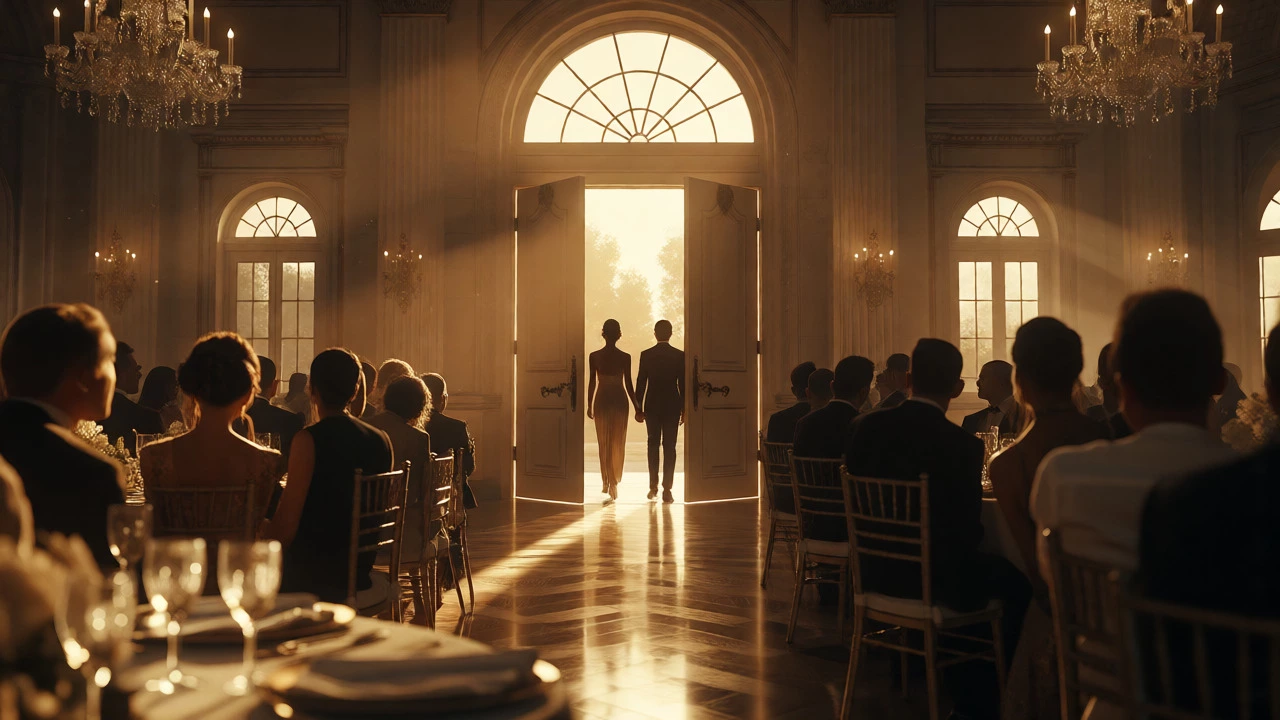
Wedding Entrance Song Finder
Select your wedding style to see curated song recommendations that match the energy and atmosphere.
You’ve spent months picking flowers, tasting cake, and arguing about seating charts. But have you actually decided what plays when you walk in? It’s the single moment guests look up from their phones. The wrong track kills the vibe; the right one makes your aunt cry happy tears. There is no single "best" song because your relationship isn’t generic. However, there are proven formulas that work.
Key Takeaways
- Match the Energy: High-energy pop works for casual receptions; classical or soul fits formal events.
- Consider the Flow: Decide if you want one long track or a mix of short clips for different entrances.
- Test the Volume: Ensure the song has a strong intro that cuts through ambient noise without drowning out the MC.
- Personalize It: The best song is one that means something to you, even if it’s obscure.
- Plan for Silence: Have a backup plan if the audio fails or the timing slips.
Why Your Entrance Song Matters More Than You Think
The wedding entrance song is the musical cue that signals the start of the reception celebration, setting the emotional tone for the evening. It acts as an auditory curtain-raiser. When the doors open, guests don't just see you; they hear you. This sensory input triggers immediate emotional responses. If you choose a slow, somber ballad while expecting a party atmosphere, you create cognitive dissonance. Guests feel confused. They don't know whether to cheer or hush. Conversely, blasting heavy metal at a black-tie gala might leave older relatives clutching their pearls. The goal is alignment between visual expectation and auditory reality.
This choice also dictates the pacing of the event. A three-minute epic like "Bohemian Rhapsody" forces a longer walk, requiring choreography or multiple stops. A tight two-minute pop hit demands quick, decisive movement. You aren't just picking a favorite tune; you're engineering the timeline of your night. Think of it as the opening scene of a movie. If the soundtrack doesn't match the genre, the audience checks out. So, before you scroll through Spotify playlists, ask yourself: What do I want my guests to feel in those first ten seconds?
Categorizing Entrance Styles by Vibe
Not all weddings are created equal. A barn bash in rural New Zealand differs vastly from a ballroom affair in Auckland. Categorizing your desired vibe helps narrow down thousands of options to a manageable few. Here is how different styles map to musical genres.
| Wedding Style | Recommended Genre | Example Artists | Energy Level |
|---|---|---|---|
| Formal / Black Tie | Classical Crossover, Jazz, Soul | Nina Simone, Miles Davis, Hans Zimmer | Moderate to High (Sophisticated) |
| Casual / Backyard | Indie Rock, Folk, Pop | Fleet Foxes, Ed Sheeran, HAIM | Medium to High (Relaxed) |
| Modern / Urban | R&B, Hip-Hop, Electronic | Solange, Pharrell, Disclosure | High (Upbeat) |
| Traditional / Religious | Hymns, Gospel, Classical | Handel, Aretha Franklin, Bach | Low to Medium (Reverent) |
| Quirky / Non-Traditional | Movies, Video Games, Comedy | John Williams, 8-bit Remixes, Weird Al | Variable (Surprise Factor) |
Notice the energy levels. Formal settings rarely benefit from sudden volume spikes. You want a swell, not a slap. For casual setups, abrupt starts work well because the environment is already noisy. If you’re unsure, err on the side of slightly higher energy. It’s easier to calm a room down than to wake it up.
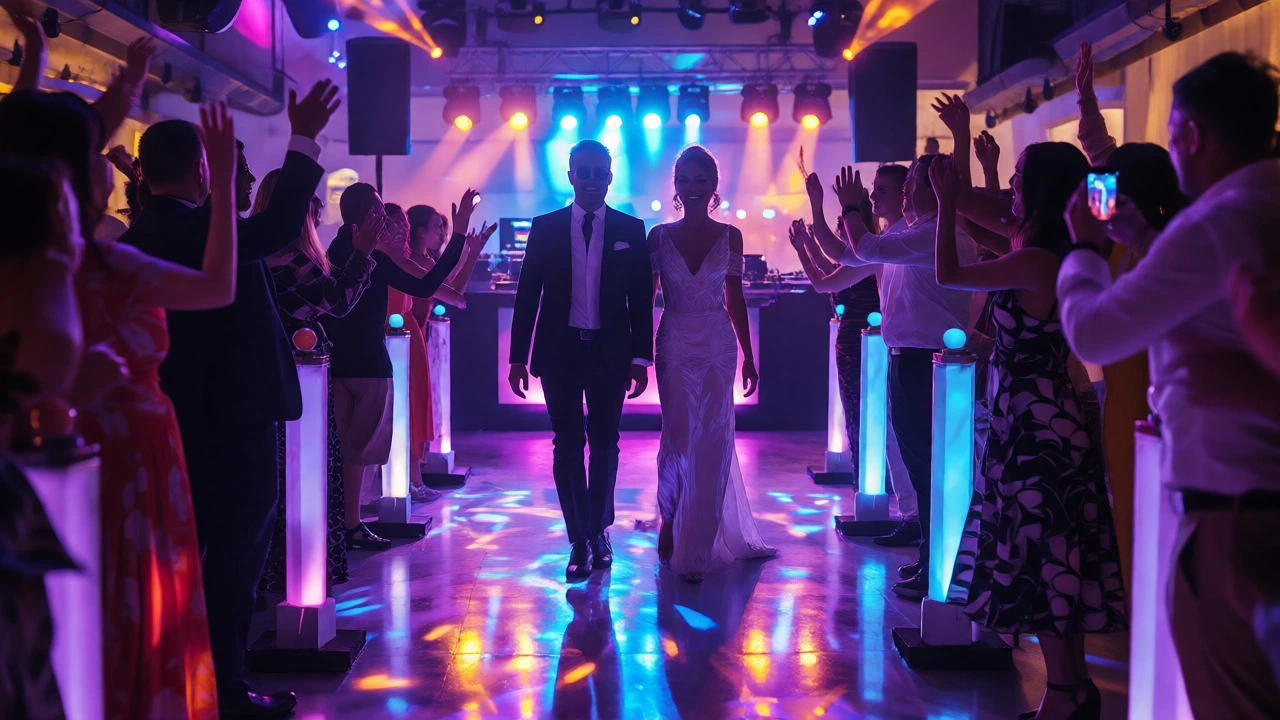
The Classic Contenders: Why They Still Work
Some songs dominate the wedding playlist landscape for decades. "Here Comes the Bride" (Wagner) is the most obvious example. It’s instantly recognizable, but it’s also cliché. Many couples skip it precisely because it feels impersonal. Yet, its power lies in universal recognition. Everyone knows what’s happening when those notes play.
Then there’s "Canon in D" by Pachelbel. It’s safe, elegant, and widely loved. But it’s overused to the point of invisibility. If you choose this, consider a modern arrangement. A string quartet version adds sophistication. A piano solo feels intimate. A synthesized remix might feel dated depending on the execution. The key with classics is customization. Don’t just play the standard recording. Find a version that matches your instrumentation preferences.
For a more contemporary classic, look at "Marry You" by Bruno Mars or "Signed, Sealed, Delivered" by Stevie Wonder. These tracks bridge generations. Grandparents recognize them; kids can dance to them. They offer built-in joy without requiring deep lyrical analysis. Their tempo is forgiving-you can walk slowly or quickly without looking awkward. That flexibility is why they remain top contenders despite being ubiquitous.
Hidden Gems and Modern Alternatives
If you hate hearing "Wonderwall" played at every bar, you’ll want to avoid the usual suspects. Look deeper into current charts or niche genres. For instance, "Golden Hour" by JVKE offers a cinematic build-up that feels personal yet grand. Its instrumental intro allows for a dramatic pause before the vocals kick in, giving photographers time to capture reactions.
Consider local artists if you want to support your community. In New Zealand, bands like L.A.B. or Aldous Harding offer unique sounds that won’t be mistaken for a generic cover band setlist. Using a locally relevant track sparks conversation among guests who share that cultural context. "Home" by Edward Sharpe & The Magnetic Zeros is another underrated option. Its sing-along chorus invites guest participation immediately, breaking the ice before you even reach the table.
Instrumental tracks deserve serious consideration too. Without lyrics, there’s no risk of misinterpreted meanings. Tracks like "Experience" by Ludovico Einaudi provide emotional depth without narrative distraction. This is crucial if you’re walking in with a partner whose relationship history is complex or private. The music supports the emotion without dictating the story.
Practical Tips for Choosing and Timing
Selecting the song is half the battle. Executing it flawlessly requires technical planning. First, check the length. Most venues allow 30-60 seconds per person for the processional. If your song is five minutes, edit it. Ask your DJ or sound engineer to fade out after the chorus. Don’t let the song drag on while you’re standing at the altar waiting for the last note to finish.
Second, consider the audio transition. Will there be silence before the song starts? Or will the MC speak over the intro? Clear communication with your vendor is vital. Provide timestamps for where the song should start and stop. If you’re using a playlist app, ensure the file format is high-quality (MP3 320kbps minimum). Low-bitrate files sound tinny on large PA systems.
Third, rehearse the walk. Not the entire ceremony, but the entry. Time how long it takes to get from the door to your seat. Match this against the song’s structure. If the beat drops at 0:15, make sure you’re entering the room then. Syncing physical movement with musical peaks creates a subconscious sense of harmony. Guests may not notice consciously, but they’ll feel the cohesion.
Common Mistakes to Avoid
The biggest error is choosing a song solely for its lyrics while ignoring the tempo. A beautiful lyric sung at 180 BPM feels rushed and frantic. Another mistake is forgetting the bridal party. If you have twelve bridesmaids, a short clip leaves them scrambling. Either extend the track or use a medley. Some DJs create custom mixes that loop seamlessly, ensuring everyone gets equal spotlight time.
Also, beware of explicit content. Even if you love a hip-hop track, check the radio edit. Accidental profanity during a solemn entrance can derail the mood instantly. Finally, don’t ignore acoustics. Outdoor venues with wind or echo require different mixing than indoor carpeted rooms. Test your chosen track in the actual space if possible. A bass-heavy track might muddy in a stone-walled chapel.
How long should a wedding entrance song be?
Typically, 30 to 60 seconds per person walking down the aisle is ideal. For a couple alone, 1-2 minutes is sufficient. If the full song is longer, ask your DJ to edit it to focus on the strongest hook or chorus.
Can we use two different songs for our entrance?
Yes, many couples choose a mashup or a seamless transition between two tracks. One song might represent one partner, transitioning into a shared favorite. Ensure the tempo change is smooth to avoid awkward pauses.
Is "Here Comes the Bride" outdated?
It depends on your style. While considered traditional and somewhat cliché, it remains powerful due to its universal recognition. If you want a non-traditional vibe, opt for modern alternatives. If you value tradition and simplicity, it still works perfectly.
What if our song has no clear beginning?
Choose a specific timestamp to start playback. Many songs have ambient intros that take too long. Pick a point where the melody or rhythm becomes distinct so guests immediately understand the entrance has begun.
Should the bridal party enter to the same song?
Not necessarily. Common practice is to use a shorter, upbeat track for the bridal party and a more significant, emotional track for the couple. This builds anticipation and distinguishes the main event from the procession.