Wedding Cake Budget & Stress Estimator
The Verdict
Quick Takeaways: The DIY Trade-off
- Saves significant money on labor and design fees.
- Adds a deeply personal touch and a unique flavor profile.
- Requires high-level time commitment and specialized equipment.
- Carries a risk of structural failure if not properly supported.
- Adds immense stress during the final 48 hours of wedding prep.
The Financial Reality of Baking vs. Buying
The biggest draw for most couples is the price tag. A professional cake can easily cost between $5 and $15 per slice, depending on the complexity. If you have 100 guests, you're looking at a bill anywhere from $500 to $1,500. When you bake it yourself, you're only paying for the Ingredients-flour, butter, organic eggs, and high-quality vanilla extract. Even with premium ingredients, you can likely cut the cost by 60% to 80%.
However, the "cost" isn't just about money. You have to factor in the cost of tools. If you don't already own professional-grade cake pans, offset spatulas, a rotating turntable, and a heavy-duty mixer, you'll be spending a few hundred dollars before you even crack an egg. Plus, there's the electricity and the countless hours spent cleaning grease and frosting off every single surface in your kitchen.
The Logistics of a Homemade Masterpiece
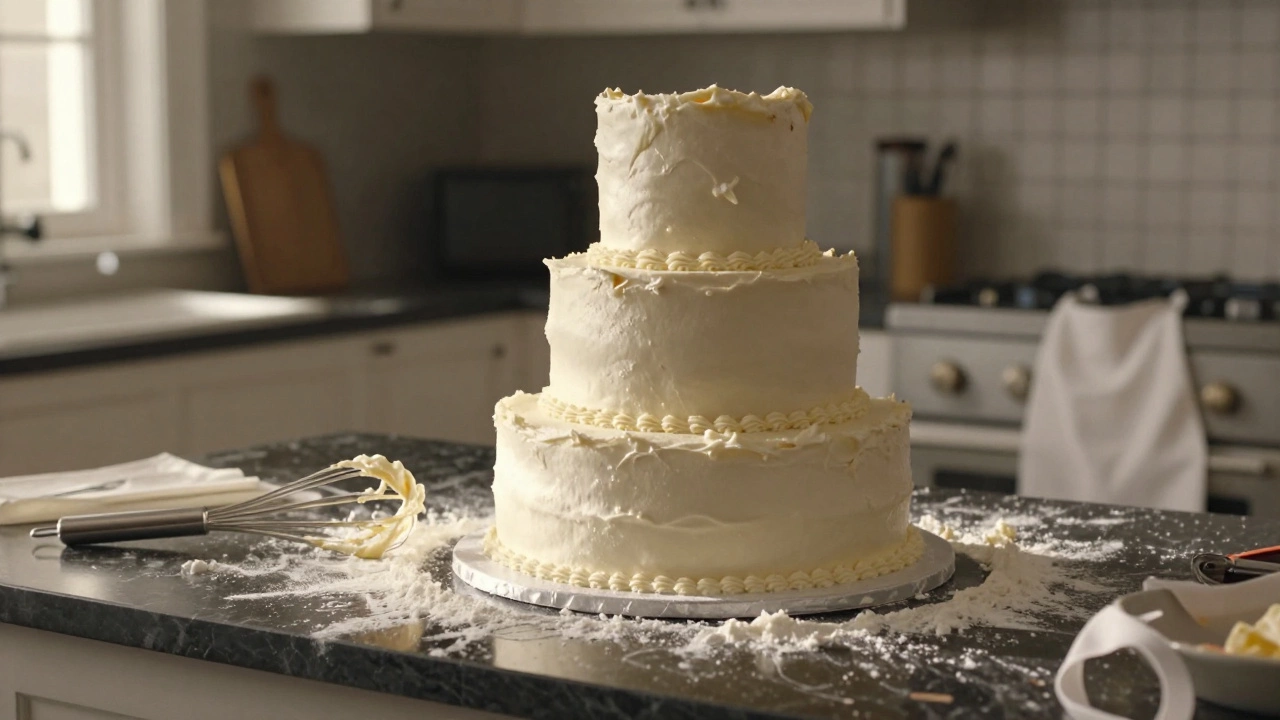
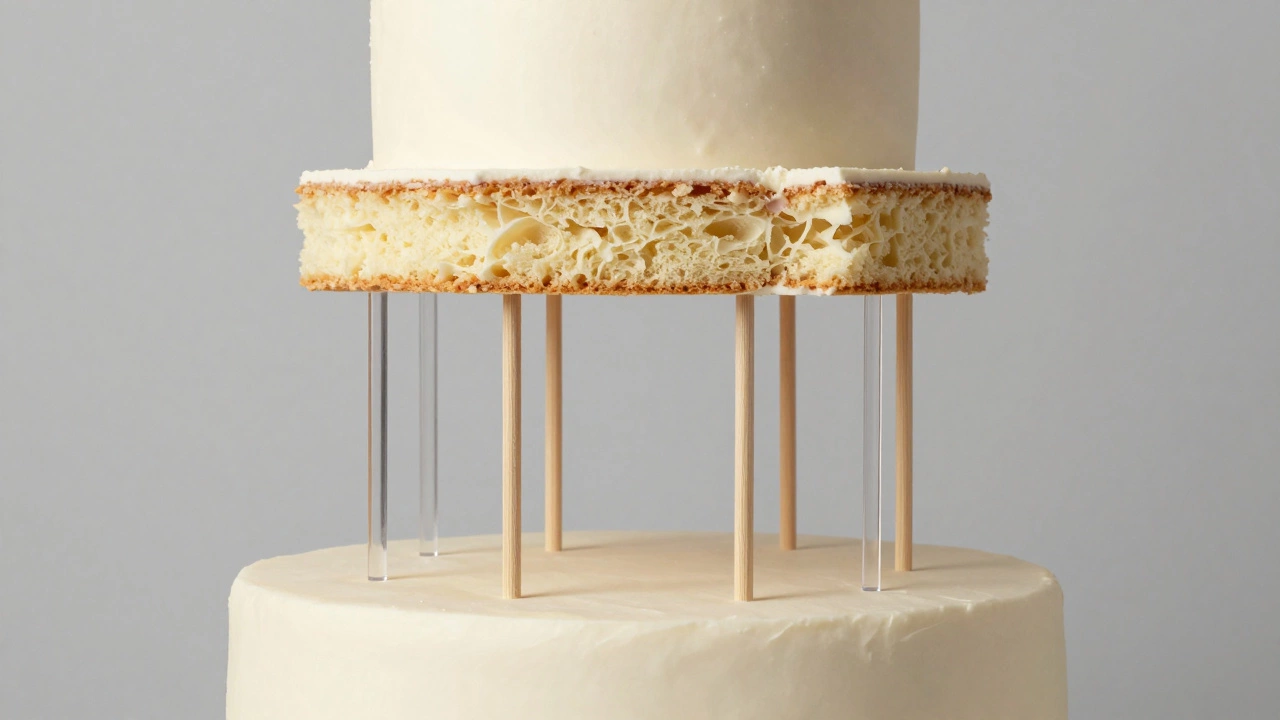
Baking a cake for four people is a hobby; baking a cake for 100 people is a production. To pull this off, you need to understand the structural physics of cake. A Tiered Cake is not just cakes stacked on top of each other. Without a system of internal supports like wooden dowels or plastic pillars, the weight of the top layers will crush the bottom one, turning your elegant centerpiece into a leaning tower of sponge.
Then there's the timing. You can't bake a wedding cake the morning of the ceremony. Most experienced home bakers recommend a specific timeline:
- T-Minus 1 Week: Bake the sponges and wrap them tightly in plastic wrap. Store them in the freezer; frozen cakes are actually easier to level and carve.
- T-Minus 3 Days: Make your fillings and frostings. Let them set in the fridge.
- T-Minus 2 Days: Crumbe-coat the cakes and stack them. This is when the structural supports go in.
- T-Minus 1 Day: Apply the final layer of frosting and add decorations.
Do you really want to spend your final 48 hours of engagement worrying about whether your buttercream is breaking or if the humidity is making your fondant sweat?
Comparing the Professional Experience
When you hire a Professional Cake Baker, you aren't just paying for the cake; you're paying for the insurance that it will actually arrive and stay upright. A pro handles the delivery, the setup at the venue, and the final touch-ups. If a tier slips during transport, they have the tools and the spare frosting to fix it on the spot. If your DIY cake collapses in the car on the way to the venue, you don't have a backup plan.
| DIY Approach | Professional Baker | |
|---|---|---|
| Cost | Low (Ingredients only) | High (Labor + Product) |
| Stress Level | Extremely High | Low (Delegated) |
| Customization | Infinite / Personal | Based on Portfolio |
| Reliability | Variable (Risk of failure) | High (Guaranteed delivery) |
| Time Required | 20-40+ hours | Consultation meetings only |
The "Middle Ground" Alternatives
If you love the idea of a personal touch but the thought of a collapsing cake keeps you up at night, there are ways to cheat. You don't have to choose between a $1,000 designer cake and a high-stress DIY project. Many couples are now opting for a Semi-Homemade Cake approach.
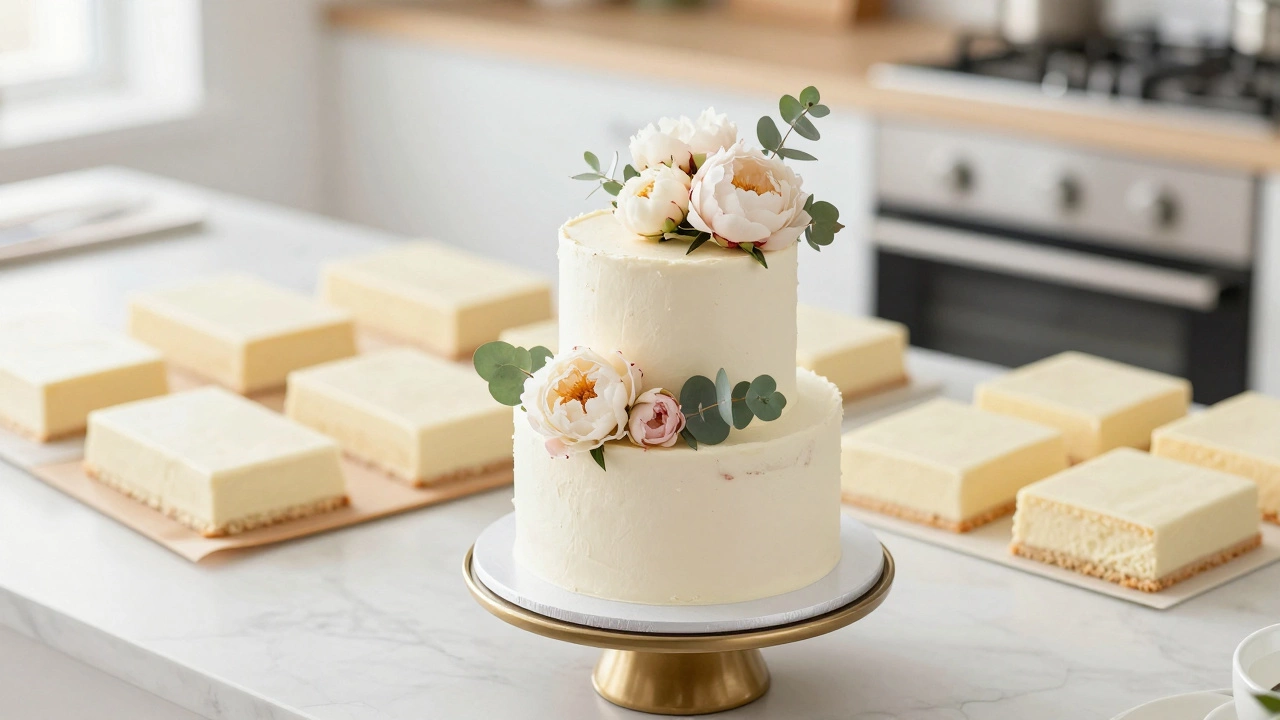
One popular method is the "Small Cake, Big Sheet" strategy. You order a small, beautiful one or two-tier cake from a professional for the photos and the ceremonial cutting. Meanwhile, you bake several simple sheet cakes in your own kitchen. These are kept in the refrigerator and sliced in the kitchen, so guests get a delicious homemade treat, but the visual centerpiece is guaranteed to look perfect. This removes 90% of the structural risk while still keeping the cost down.
Another option is to buy a high-quality plain cake from a reputable bakery and handle the floral decorations yourself. Fresh flowers are a great way to hide imperfect frosting and make a simple cake look like it cost a fortune. Just remember to use food-safe tape or plastic straws to keep the stems from touching the cake.
Critical Pitfalls to Avoid
If you're determined to go full DIY, avoid these common mistakes that often lead to wedding day disasters. First, never try a brand new recipe for the first time on your wedding cake. You might love a recipe from a fancy blog, but if it hasn't been tested in your specific oven with your specific brand of butter, it's a risk. Conduct a full "dry run" a month before the wedding.
Second, beware of the Buttercream trap. American buttercream is stable but can be overly sweet and melt in the sun. Swiss Meringue Buttercream is silkier and tastes more professional, but it requires a thermometer and more precision. If your venue is an outdoor garden in July, a traditional frosting might literally slide off the cake before the first dance.
Finally, don't underestimate the transport. A cake is a fragile object. If you're driving it to a venue, the car's AC needs to be blasting, and the cake should be on a completely flat surface-not tilted on a passenger seat. Many DIY disasters happen in the last five miles of the journey.
How far in advance should I bake my DIY wedding cake?
You should bake the actual cake layers about a week before the event. Once baked and cooled, wrap them tightly in plastic wrap and freeze them. This prevents the cake from drying out and makes the layers much firmer and easier to trim and stack. You can then frost and decorate the cake 24 to 48 hours before the ceremony.
Can I use a store-bought cake and just decorate it?
Yes, this is a great way to reduce stress. Many high-end grocery stores or local bakeries offer "naked" or simply frosted cakes. You can purchase these and add your own fresh flowers, berries, or a custom cake topper. This ensures the bake is professional while giving you the creative control over the aesthetic.
What is the best frosting for a homemade wedding cake?
It depends on the environment. For stability and sweetness, American buttercream is the easiest. For a more sophisticated, less-sweet taste and a smoother finish, Swiss Meringue Buttercream is the gold standard. If the wedding is outdoors in a hot climate, consider a ganache or a specialized stabilized frosting to prevent melting.
Do I really need dowels in a tiered cake?
Absolutely. If you have more than one layer of cake stacked, you must use supports. Dowels (wood, plastic, or thick straws) are inserted into the bottom layers to hold the weight of the cakes above them. Without them, the bottom cake will compress, and the entire structure will likely tilt or collapse under its own weight.
How do I transport a homemade cake safely?
Place the cake on a non-slip mat in your trunk or on a flat floor area. Keep the car temperature very cool to prevent frosting from softening. Avoid the passenger seat, as the incline will cause the cake to lean. Drive slowly and avoid sudden braking or sharp turns.
Next Steps for Your Decision
If you're still on the fence, start with a "Mini-Wedding Cake" experiment. This weekend, try to make a small three-tier cake for friends or family. See how long it actually takes you to get the frosting smooth and whether you enjoy the process. If you find it relaxing and rewarding, the DIY route is for you. If you find yourself frustrated and exhausted after just one small cake, you've just saved yourself a massive headache on your wedding day by deciding to hire a pro.