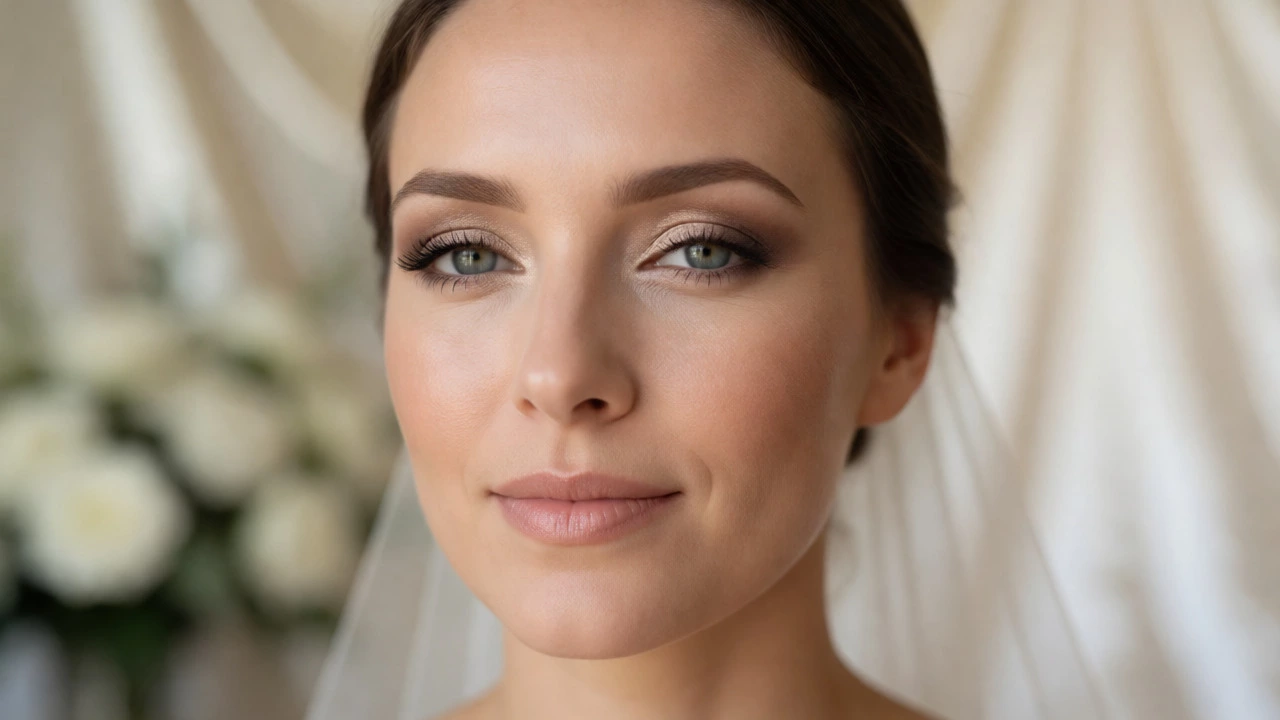
Bridal Makeup Style Matcher
Answer three quick questions to find your perfect bridal look.
Foundation Strategy
Eyes & Lips
Pro Tips for This Look
You’ve booked the venue, tasted the cake, and finally said "yes" to the dress. Now comes the part that keeps most brides up at night: bridal makeup. It’s not just about looking pretty; it’s about looking like yourself, but amplified for the cameras, the sunlight, and the ten-hour marathon your wedding day will be. If you’re staring into your bathroom mirror wondering if you should go full glam or keep it bare-faced, you’re in the right place. There is no single "right" answer, but there are definitely wrong ones-like wearing matte lipstick that dries out by the time you cut the cake, or foundation that looks orange under flash photography.
Decoding Your Wedding Vibe
Your makeup shouldn’t exist in a vacuum. It needs to talk to your dress, your venue, and the season. Think of your makeup as the final accessory. If you’re getting married on a beach in Auckland in January, heavy contouring and dark smoky eyes might feel suffocating and sweat-prone. In contrast, a winter wedding in a dimly lit cathedral calls for richer tones and higher definition because low light flattens facial features.
Ask yourself three questions before touching a brush:
- Where am I? Outdoor daylight requires breathable, hydrating formulas. Indoor artificial lighting demands more pigment and definition.
- What is my dress style? A lace bohemian gown pairs beautifully with soft, diffused edges and dewy skin. A structured satin ballgown can handle sharp lines, bold lips, and high-gloss finishes.
- Who is taking photos? Professional photographers know how to light a scene, but they can’t fix bad texture. Matte finishes photograph cleaner than overly shimmery products, which can look oily on camera.
The Foundation Debate: Dewy vs. Matte
This is the biggest battleground in modern bridal beauty. For years, the rule was simple: go matte so you don’t look shiny in photos. But trends have shifted toward the "skin-like" finish. The truth? You need balance.
A completely matte face can look flat and aging, especially if you’re over 30. A fully dewy face can look greasy by hour three. The sweet spot is hybrid finish, where the center of your face (cheeks, forehead) has a subtle glow, while the T-zone is set with powder. This mimics healthy, hydrated skin without the shine trap.
| Finish Type | Best For | Risk Factor | Longevity Tip |
|---|---|---|---|
| Dewy/Glow | Younger skin, dry climates, daytime ceremonies | Looking oily in flash photography | Use blotting papers instead of adding powder mid-day |
| Matte | Oily skin, evening weddings, high-humidity areas | Emphasizing fine lines and dry patches | Mix one drop of facial oil into your foundation |
| Satin/Natural | Most brides, all seasons, mixed skin types | Can fade unevenly if not prepped well | Prime with a gripping primer before application |
Eyes That Last Through Tears
Let’s be real: you will cry. Probably during vows, maybe when your dad walks you down the aisle, and definitely during the first dance. If your mascara runs, you’ll look like a raccoon in every candid shot. Waterproof isn’t just an option; it’s mandatory.
But waterproof mascara is hard to remove, so save it for the big day. For eyeshadow, cream formulas tend to crease faster than powders unless you use a good eye primer. Powder shadows are safer for longevity. Stick to neutral palettes-champagne, taupe, bronze-if you want versatility. These shades complement almost any eye color and won’t clash with your bouquet colors.
If you want drama, focus on lashes rather than heavy liner. False lashes (individual clusters or strip lashes applied by a pro) open up the eyes without the risk of eyeliner transferring onto your upper lid when you blink. If you do wear liner, choose a gel formula with a sealing spray over it, or skip the lower lash line entirely to prevent smudging.
Lips: Color Choice and Comfort
Nude lips are having a moment, but "nude" doesn’t mean beige. It means a shade close to your natural lip color, enhanced. A pink-nude works for cool undertones; a peach-nude suits warm undertones. Avoid brown-based nudes unless you’re going for a very specific retro vibe-they can make you look tired on camera.
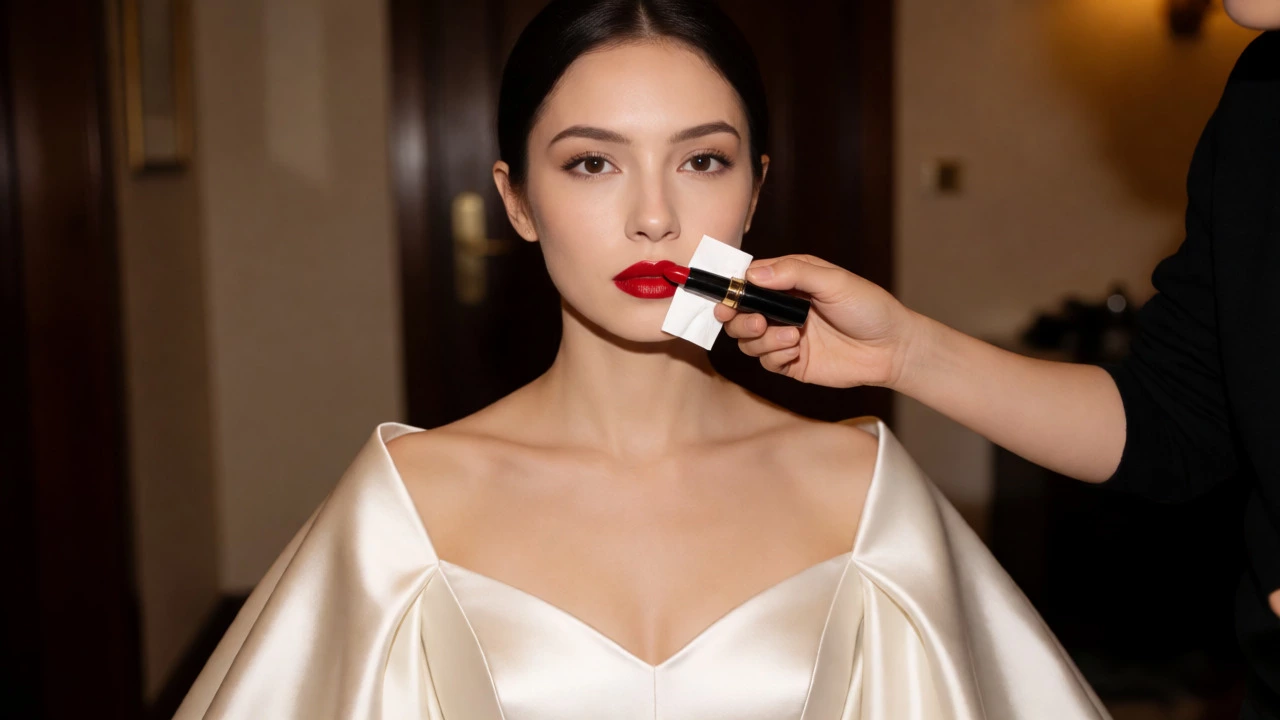
Red lips are timeless but high-maintenance. If you go red, you must reapply after eating. Here’s a pro trick: apply lipstick, blot with a tissue, apply again, then dust translucent powder over a single-ply tissue placed on your lips. This sets the color without drying it out. Long-wear liquid lipsticks are great for staying put, but they can feel tight. Look for formulas labeled "transfer-proof" but check reviews for comfort.
The Trial Run: Why You Can’t Skip It
No matter how much you trust your artist, you must do a trial. Not two weeks before the wedding, but six to eight weeks prior. Why? Because your skin changes. Hormones, stress, diet, and weather affect how your face reacts to products. A foundation that looked perfect in June might oxidize (turn orange) in September heat.
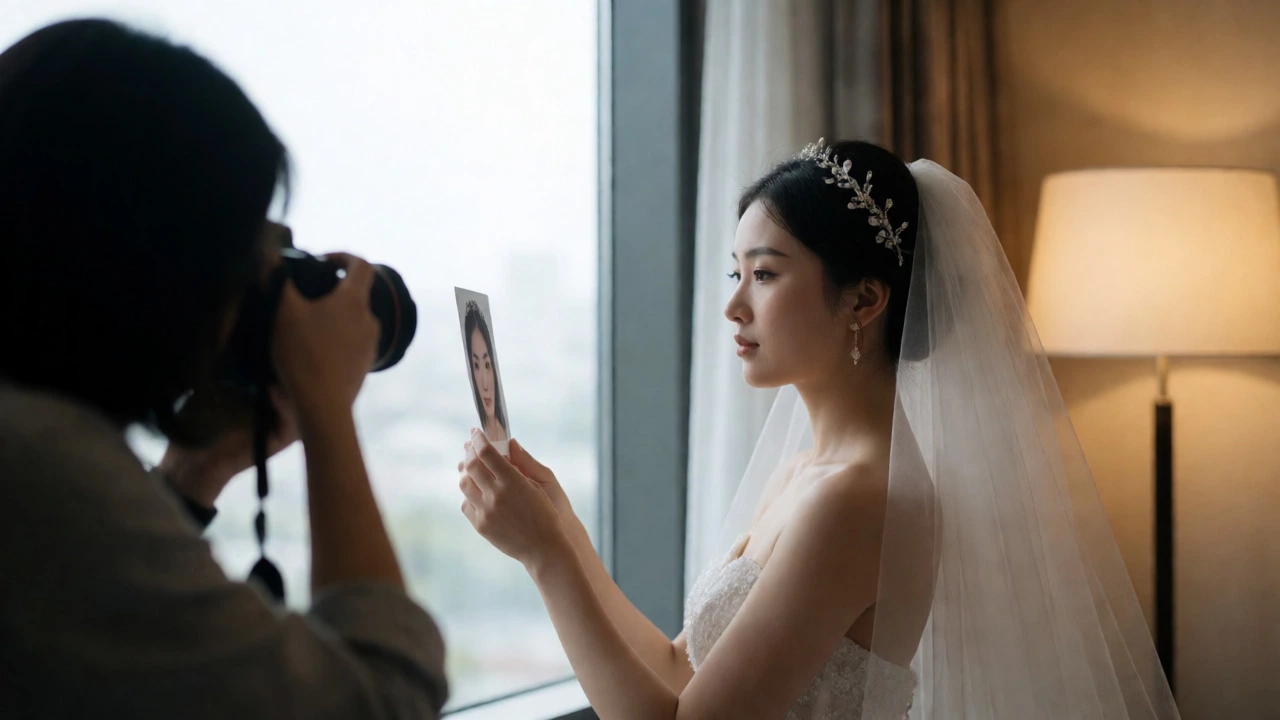
Treat the trial like a rehearsal. Wear your veil or hair accessories. Take photos in different lights: natural window light, indoor lamp light, and with flash. Ask your photographer to review the trial photos. They see hundreds of faces and know exactly what works on their specific camera settings. If your photographer says, "The shimmer on your cheekbones looks harsh," listen to them. They’re the ones who will deliver your memories.
Skincare Prep Starts Months Ahead
You cannot mask a pimple overnight into glowing skin. The best bridal makeup sits on top of well-prepped skin. Start a consistent routine four months out. Hydrate internally by drinking water, and externally with hyaluronic acid serums. Exfoliate gently once a week to remove dead skin cells so foundation doesn’t cling to dry patches.
Avoid drastic changes. Do not try a new chemical peel two days before the wedding. Do not start a new retinol regimen last minute. Consistency beats intensity. If you have sensitive skin, stick to fragrance-free products. Patch test everything, including your primer and setting spray, at least a month in advance.
Budgeting for Beauty
Makeup costs vary wildly. In New Zealand, a professional bridal makeup trial might cost between $150 and $300 NZD, with the wedding day service ranging from $300 to $600+. This includes travel fees if the artist comes to you. DIY makeup saves money but adds stress. If you hire a pro, ask what’s included: does it include lashes? Touch-up kits? Travel time?
Remember, this is a service, not a product purchase. You’re paying for expertise, speed, and reliability. A good artist will also provide a touch-up kit with pressed powder, lipstick, and blotting papers. Use it! Don’t let your maid of honor try to fix your face with her own random purse contents.
Common Pitfalls to Avoid
- Over-contouring: Heavy bronzer or contour can look muddy in photos. Blend thoroughly. Less is more.
- Ignoring the neck: Match your foundation to your chest and neck, not just your jawline. Mismatched tones look obvious in strapless dresses.
- Too much highlighter: One strategic dot on the cheekbone and inner corner of the eye is enough. Glitter everywhere looks cheap on camera.
- Forgetting the back: If your dress is backless, ensure your back is exfoliated and moisturized. Photos will capture it!
Final Thoughts on Confidence
At the end of the day, the best bridal makeup is the kind that makes you forget you’re wearing makeup. If you’re constantly checking a mirror to wipe away shine or worrying if your eyeliner is straight, something is wrong. Aim for a look that feels secure and comfortable. When you look in the mirror and smile, you should see the happiest version of yourself, not a stranger in a costume.
Should I wear false eyelashes?
Yes, if you want defined eyes. Individual lashes look more natural than strips. Ensure they are applied securely with quality glue to avoid irritation or falling off during tears.
How long does bridal makeup take?
Professional application typically takes 45-60 minutes. Add extra time for lashes and hair coordination. Always schedule a buffer in case of delays.
Can I do my own makeup?
You can, but it’s risky. Wedding mornings are chaotic. Hiring a pro ensures consistency, longevity, and allows you to relax. If you DIY, practice extensively beforehand.
What if I have acne-prone skin?
Focus on skincare prep months in advance. Use non-comedogenic primers and foundations. Spot-conceal individual blemishes rather than covering the whole face with heavy layers.
Do I need a makeup trial?
Absolutely. It tests product compatibility with your skin, checks color accuracy in photos, and builds trust with your artist. Never skip it.