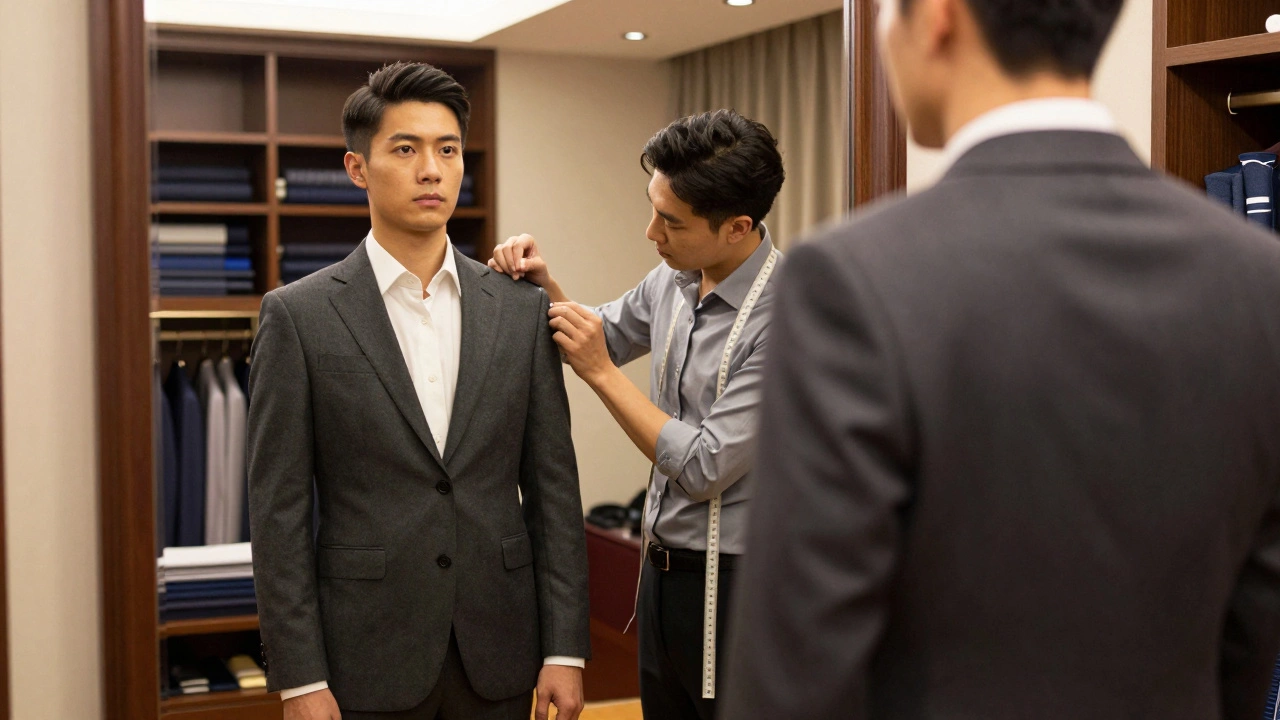
Wedding Suit Timeline Calculator
Enter your wedding date to generate a personalized schedule for ordering, fitting, and picking up your groom suit.
Picture this: It’s three weeks before your wedding. You’re standing in front of the mirror, holding up that crisp white shirt you bought last minute. It looks good, but it feels... off. The sleeves are an inch too long. The collar gaps slightly. You rush to a tailor, only to find out they have a six-week backlog. Panic sets in. This is the nightmare scenario for countless grooms who underestimated how long **wedding suit** preparation actually takes.
Getting the timing right isn’t just about avoiding stress; it’s about ensuring you look sharp, feel confident, and don’t overspend on emergency fixes. Whether you’re renting a tuxedo or investing in a bespoke suit, the clock starts ticking much earlier than you might think. Let’s break down exactly when you need to start looking, buying, and fitting so you can walk down the aisle looking like the best version of yourself.
The Golden Rule: Start 6 to 8 Months Out
If there is one number you need to remember, it’s six months. For most grooms, starting the process six to eight months before the wedding date is the sweet spot. This window gives you enough breathing room to handle unexpected delays without turning into a frantic mess.
Why so early? Because weddings involve multiple moving parts. Your suit isn’t just something you pick up from a rack; it involves measurements, manufacturing, shipping, and at least two fittings. If you wait until four months out, you’re playing with fire. If you wait until two months out, you’re likely paying premium prices for rush fees or settling for ill-fitting clothes.
This timeline assumes you are getting married during peak season (May through October). If your wedding is in January or February, you might get away with starting five months out, but why risk it? Better safe than sorry.
Renting vs. Buying: How It Changes Your Schedule
Your decision to rent or buy significantly impacts your timeline. Here is how the math works for each option:
| Action Step | Renting Timeline | Buying Timeline |
|---|---|---|
| Initial Consultation | 3-4 Months Before | 6-8 Months Before |
| First Measurement/Fitting | 2-3 Months Before | 5-6 Months Before |
| Final Fitting/Adjustments | 1 Month Before | 3-4 Weeks Before |
| Pickup/Delivery | 1 Week Before | 2 Weeks Before |
Renting is a cost-effective option where you borrow formal wear for a specific period, typically including a tuxedo, vest, and tie. Most rental shops, like Men’s Wearhouse or local boutiques, require you to book your appointment 3 to 4 months in advance. They usually hold inventory for popular sizes, but if you have unique measurements (very tall, very broad shoulders), you’ll need more lead time for them to source the right stock. The final pickup is often scheduled for one week before the wedding, which leaves little margin for error if you’ve lost or gained weight.
Buying offers permanent ownership of high-quality garments that can be worn again and tailored precisely to your body. If you’re buying off-the-rack, you can do this closer to the date-maybe 3 to 4 months out-but you still need time for alterations. If you’re going bespoke or made-to-measure, you absolutely need that 6 to 8-month window. Bespoke suits take 8 to 12 weeks just to manufacture, plus additional time for fittings.
The Groomsmen Factor: Don’t Forget Your Team
You aren’t the only one who needs to look good. If you have groomsmen, their schedules complicate things further. Coordinating five or ten other men is harder than coordinating yourself. Some might live in different cities. Others might have unpredictable work hours.
Here is a pro tip: Set a hard deadline for your groomsmen to get measured. Do this at least 4 months before the wedding. Send them a clear email with instructions: “Please visit [Store Name] by [Date].” If you wait until the last minute, someone will inevitably forget, and then you’re stuck with mismatched outfits or rushing to find a replacement.
If you’re paying for their suits, factor in the processing time for payments and deposits. Rental shops often require a deposit per person, which can add up quickly. Make sure everyone knows their financial responsibility early on.

Step-by-Step: Your Wedding Suit Checklist
To keep everything on track, follow this chronological checklist. It breaks down the vague idea of “getting a suit” into actionable steps.
- 6-8 Months Before: Decide on the style. Are you going classic black-tie, modern slim-fit, or rustic casual? Check your wedding invitation design and venue vibe. This determines whether you need a tuxedo or a suit.
- 5-6 Months Before: Book your first consultation. Whether renting or buying, secure your slot now. Peak season slots fill up fast.
- 4 Months Before: Get your initial measurements done. Be honest about your current weight. If you’re planning to lose weight for the wedding, tell the tailor. They can build in extra fabric for adjustments later.
- 3 Months Before: Coordinate with groomsmen. Ensure they have their appointments scheduled. If anyone is traveling, plan ahead.
- 1-2 Months Before: First fitting (for buyers) or try-on (for renters). This is where you see the shape. Note any issues: tightness across the chest, length of pants, comfort of the jacket.
- 3-4 Weeks Before: Final fitting. This is the dress rehearsal for your outfit. Wear the same shoes and underwear you plan to wear on the big day. This ensures accurate hemming and fit.
- 1 Week Before: Pickup or delivery. Inspect everything carefully. Check for stains, missing buttons, or loose threads. If renting, verify the return date and dry-cleaning requirements.
Common Pitfalls to Avoid
Even with a solid plan, mistakes happen. Here are the most common traps grooms fall into and how to sidestep them.
The Weight Fluctuation Trap: Life happens. You might gain five pounds due to stress or lose five pounds because you’re nervous. Tailors can let out seams slightly, but they can’t add inches of fabric that doesn’t exist. If you’re actively changing your weight, mention it at every fitting. A skilled tailor can adjust waistbands and hems relatively easily, but major structural changes are difficult late in the game.
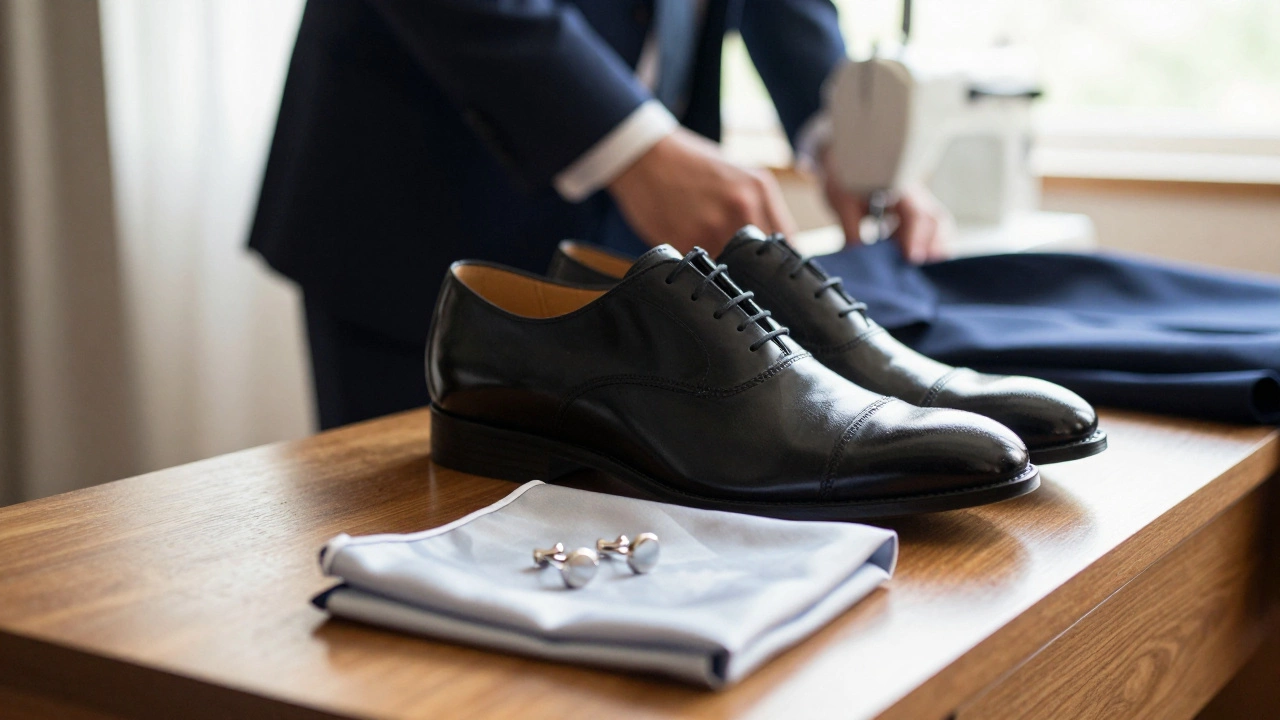
The Shoe Mistake: Never get your pants hemmed while wearing sneakers. The height of your shoe affects the break of your trousers. Bring your actual wedding shoes to the final fitting. If you haven’t bought them yet, bring similar ones in heel height and sole thickness.
The Accessory Afterthought: Your suit isn’t complete without the right accessories. Cufflinks, pocket squares, ties, and boutonnieres need to match. Don’t leave these for the last week. Start shopping for them 2 to 3 months out. If you’re buying a custom tie or having cufflinks engraved, that takes time too.
The Emergency Rush Fee: If you miss your final fitting or realize you need a change at the last minute, expect to pay extra. Most tailors charge a rush fee for anything done within 7 days of the event. Avoid this by sticking to your schedule.
What If You’re Starting Late?
Let’s say you read this article and realized you only have two months left. Don’t panic. You can still pull it off, but you need to act fast.
- Go Off-the-Rack: Skip custom orders. Go to a department store or a specialized suit shop and buy something that fits close to your size. Look for brands known for consistent sizing.
- Find a Local Tailor: Call around immediately. Ask specifically about their turnaround time for basic alterations (hemming pants, taking in waist). Many local tailors can do simple jobs in 1-2 weeks.
- Simplify the Look: Avoid complex details like custom linings or intricate embroidery. Stick to clean lines and classic colors. Black, navy, and charcoal are forgiving and easy to find.
- Consider Renting Last-Minute: Some rental shops have “express” services for a higher price. It’s not ideal, but it’s better than showing up in jeans.
Final Thoughts: Confidence Starts with Preparation
Your wedding suit is more than just clothing; it’s part of your story. When you look good, you feel good. And when you feel good, you show up as your best self for your partner and your guests. By starting early, communicating clearly with your team, and respecting the timeline, you remove one major source of stress from your wedding planning journey.
Remember, the goal isn’t perfection-it’s confidence. A well-fitted suit, chosen with care and prepared with patience, will serve you well on your big day and beyond. So, mark your calendar, make that call, and get started. Your future self will thank you.
How early should I order my groom suit if I'm getting married in June?
For a June wedding, you should start the process no later than December or January. Since summer is peak wedding season, rental shops and tailors are busiest from April through September. Starting 6-8 months out ensures you have access to the best styles and sizes without paying rush fees.
Can I get a groom suit fitted in less than a month?
It is possible but risky. Most tailors need at least 2-3 weeks for standard alterations. If you need major changes like restructuring the jacket or significant waist adjustments, it may take longer. Always check with your tailor first and be prepared to pay a rush fee. For rentals, pickup is usually available one week before, but availability depends on inventory.
Should I buy or rent my groom suit?
Renting is cheaper upfront ($200-$400) and requires less storage space, making it great for one-time events. Buying costs more ($500-$1500+) but allows for perfect customization and you can wear the suit again for future events. If you plan to wear the suit for job interviews or other formal occasions, buying is a better long-term investment.
How many fittings do I need for a wedding suit?
Typically, you need at least two fittings. The first is for initial measurements and checking the rough shape. The second is the final fitting where minor adjustments are confirmed. For bespoke suits, you may need three or more fittings to achieve a perfect fit. Always attend the final fitting to ensure everything sits correctly.
What if I gain or lose weight before the wedding?
Inform your tailor or rental consultant immediately. Small fluctuations (5-10 lbs) can usually be accommodated with minor alterations to the waistband or hem. However, significant changes may require more extensive work or even a new garment. Try to maintain a stable weight in the 3 months leading up to the wedding for the best results.
Do I need to bring my wedding shoes to the fitting?
Yes, absolutely. The height of your shoe heels directly affects the length and break of your trousers. Wearing different shoes during the fitting can result in pants that are too long or too short on your wedding day. If you don't have your wedding shoes yet, bring a pair with a similar heel height and sole thickness.