Wedding Night Sleep Arrangement Decider
Answer these questions to get a personalized recommendation for your pre-wedding night routine.
So, you’ve got the venue booked, the cake tasted, and your suit is hanging in the closet. But there’s one question that keeps popping up at bachelor parties and late-night chats with friends: Are you supposed to sleep together the night before a wedding?
The short answer? There is no universal rule. It depends entirely on your personal beliefs, cultural background, and what kind of stress you want to manage on the big day. Some couples swear by the tradition of separate rooms to keep the "bad luck" away. Others can’t imagine spending their last night as individuals apart from their partner. Let’s break down why this debate exists, how it impacts your groom attire preparation, and how to decide what works for you.
The Origin of the Separate Rooms Tradition
You’ve probably heard the superstition that seeing your bride in her dress before the ceremony brings bad luck. This belief actually traces back to arranged marriages in Europe, where families wanted to prevent grooms from backing out if they didn’t like the look of their future spouse. Sleeping in separate rooms was part of maintaining that mystery and ensuring the transaction went through without buyer’s remorse.
For many modern couples, this historical context feels irrelevant. However, the ritual has stuck around because it serves a practical purpose beyond superstition. Separating the night before allows both partners to decompress. Weddings are high-stress events. Having a quiet evening to focus on logistics, rather than emotional processing or last-minute planning, can be surprisingly beneficial.
Why Some Couples Choose to Sleep Apart
Let’s look at the practical reasons behind the separation. It’s rarely just about avoiding ghosts of weddings past.
- Logistical Chaos: If you have family staying over, or if your best man is still figuring out his tie knot at 11 PM, having a private space helps. You need time to check your tuxedo fits, ensure your shoes are polished, and pack your emergency kit.
- Sleep Quality: Adrenaline is real. If you’re sharing a bed with someone who is also anxious, you might end up talking until 3 AM. Waking up exhausted affects your mood and energy levels during photos and vows.
- Mental Preparation: Many grooms find value in a moment of solitude. It’s a chance to mentally rehearse your vows or simply enjoy the final hours of single life (or pre-married life) without distractions.
In Auckland, where we often deal with unpredictable weather, checking the forecast and adjusting your outdoor wedding attire choices takes time. A separate room lets you make those calls without debating them with a partner who might be focused on hair and makeup schedules.
The Case for Sleeping Together
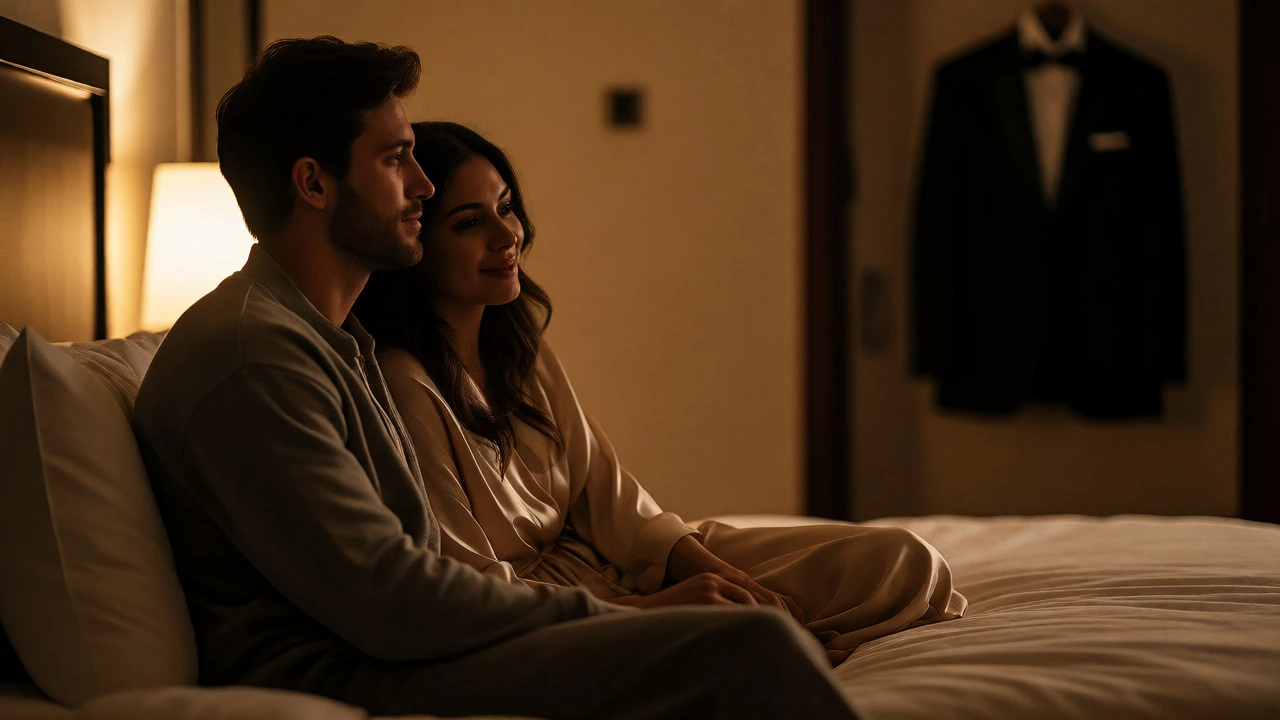
On the flip side, plenty of couples choose to share a bed. Why? Because marriage is about partnership, and starting the biggest day of your lives with a moment of calm intimacy sets a powerful tone.
If you live together already, the idea of going to separate hotels might feel artificial. For these couples, the "first look" tradition-where you see each other before the ceremony-is preferred anyway. Sleeping together allows you to:
- Share the Excitement: Sometimes, just knowing your partner is next to you reduces anxiety more effectively than any meditation app.
- Coordinate Morning Routines: If you’re getting ready at home, sharing a bathroom schedule becomes easier when you’re already in the same space.
- Create Private Memories: The night before is fleeting. Spending it together can create a cherished memory distinct from the public chaos of the reception.
However, this choice requires discipline. You must agree on a strict bedtime. No last-minute outfit changes. No arguing about seating charts. If you choose this route, treat the evening like a spa day, not a project meeting.
How Your Attire Prep Influences the Decision
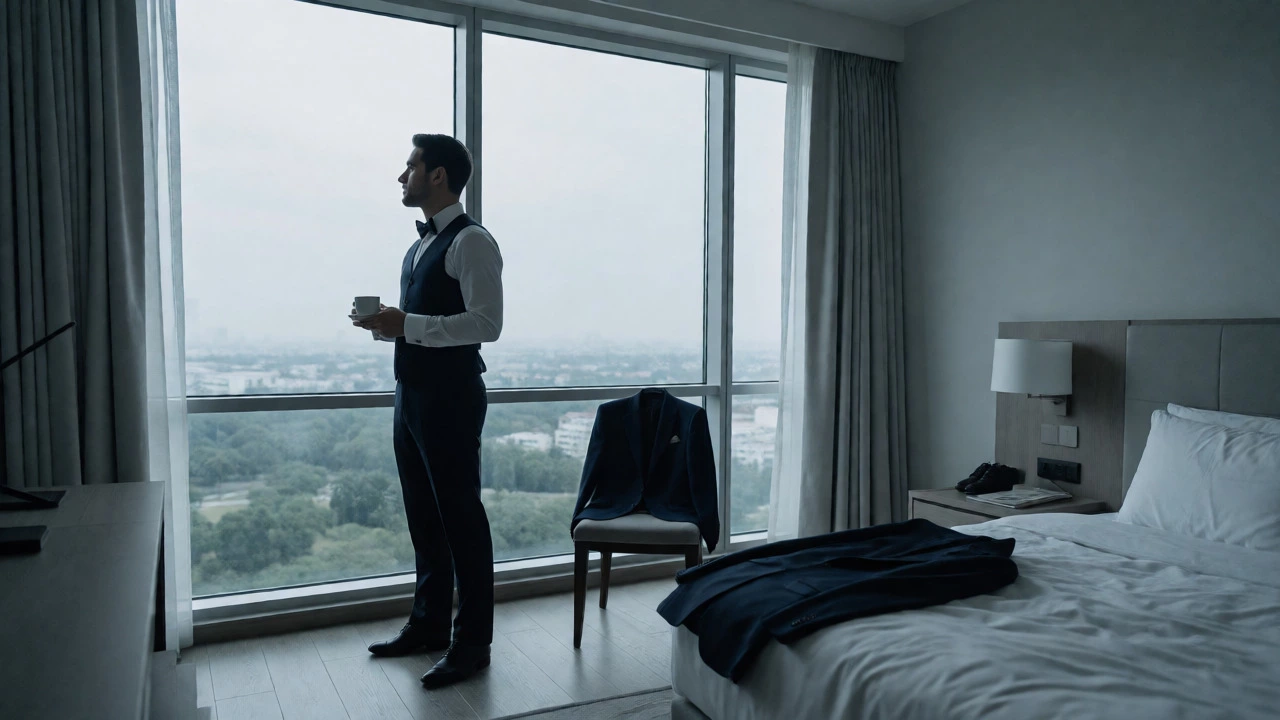
Your clothing choices play a bigger role here than you might think. Consider the complexity of your outfit. Are you wearing a three-piece suit with a waistcoat? Or a simple shirt and trousers? Complex outfits require more morning prep time.
| Attire Type | Prep Time Needed | Recommended Night-Before Action |
|---|---|---|
| Standard Suit | Low (15-20 mins) | Hang properly; iron shirt separately. |
| Tuxedo with Bow Tie | Medium (30-45 mins) | Practice bow tie knot; lay out cufflinks. |
| Cultural/Traditional Garb | High (60+ mins) | Review dressing instructions; ensure helpers are available. |
If your attire requires significant assistance or time, sleeping apart might give you the uninterrupted window needed to get dressed calmly. Conversely, if your outfit is simple, sharing the morning routine might save time and reduce the number of people hovering in your bedroom.
Modern Etiquette: What Do Wedding Planners Say?
I’ve spoken with several planners in New Zealand, and the consensus is shifting. Ten years ago, the "separate rooms" rule was nearly mandatory. Today, it’s viewed as an option, not an obligation. Planners often advise couples to prioritize their comfort over tradition.
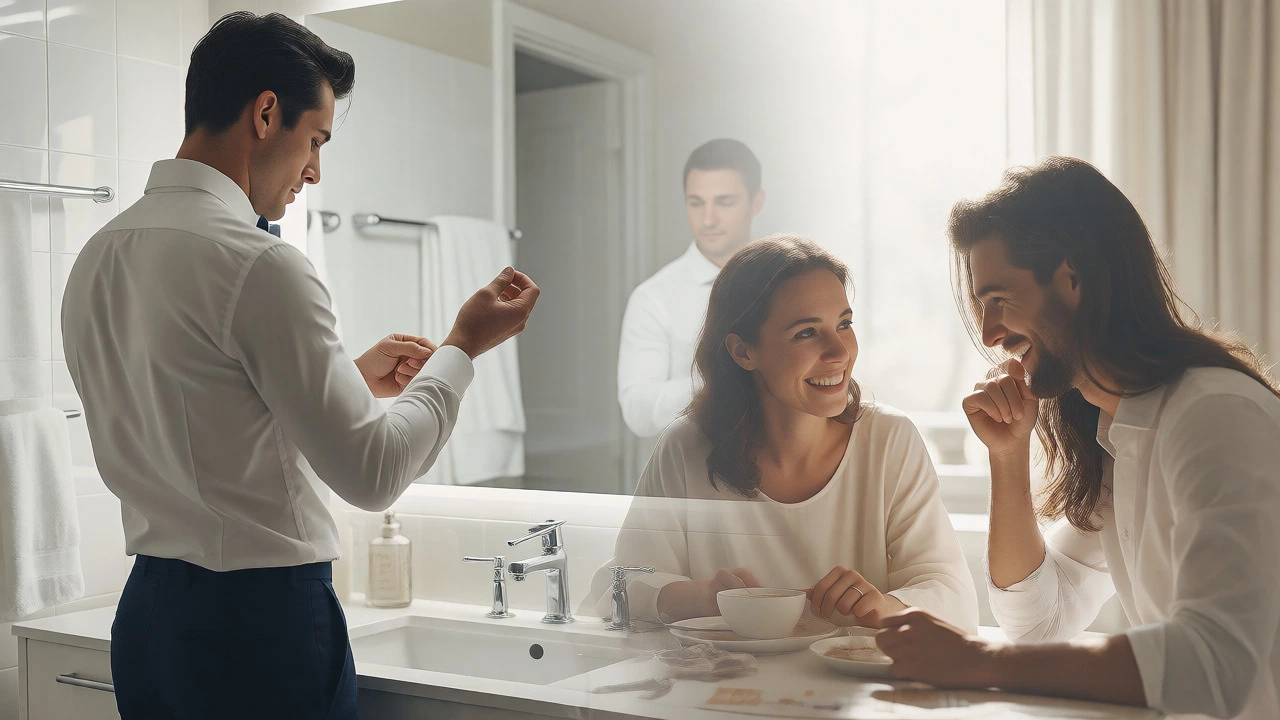
One key tip: communicate with your photographer. If you plan to sleep together, you might miss out on specific "getting ready" shots of you alone. Photographers love capturing the solitary moments of adjustment-the buttoning of the cuff, the straightening of the lapel. These images add narrative depth to your album. If you skip the solo prep, discuss alternative shots with your pro beforehand.
Decision Framework: Which Path Is Right for You?
Still unsure? Use this quick checklist to decide.
- Do you get anxious easily? Yes → Sleep apart. Alone time helps reset cortisol levels.
- Is your venue far from your accommodation? Yes → Sleep near the venue. Logistics trump tradition.
- Are you religiously superstitious? Yes → Follow your faith’s guidance. Comfort matters most.
- Do you hate waking up alone? Yes → Sleep together. Just set a phone alarm for lights-out.
Remember, there is no wrong answer. The goal is to wake up feeling rested and ready, not to satisfy a ghost from the 18th century.
Frequently Asked Questions
Does sleeping together the night before bring bad luck?
No, not in reality. The "bad luck" superstition stems from historical arranged marriages where seeing the bride early could lead to a canceled wedding due to dissatisfaction. For modern couples who know each other well, there is no evidence that sleeping together causes issues. It is purely a matter of personal preference and cultural tradition.
What should I do if my partner wants to sleep apart but I don't?
Compromise is key. You could spend the evening together having dinner or watching a movie, then go to separate rooms for actual sleep. This satisfies the desire for connection while respecting the need for restful, undisturbed sleep. Communicate openly about why you feel strongly about either option.
Where should the groom stay the night before the wedding?
Typically, the groom stays with his best man or close friends at a hotel near the venue or at the couple's home if local. Staying near the venue minimizes travel stress on the morning of the wedding. Ensure the location has enough space for him to change and prepare without crowding.
Can we take engagement photos the night before?
Absolutely. Many couples use the night before for a casual sunset shoot or intimate portraits. This is a great way to capture natural interactions without the pressure of formal posing. Just ensure you don't stay out too late so you remain well-rested.
What time should I go to bed the night before?
Aim for 7-8 hours of sleep. If your ceremony starts at 4 PM, try to be asleep by 9 or 10 PM. Avoid alcohol heavy enough to disrupt REM sleep, as this leaves you groggy. Hydrate well, but limit fluids right before bed to avoid midnight trips to the bathroom.