Low-Key Wedding Planner & Cost Estimator
Plan Your Celebration
Your Wedding Profile
Estimated Total Cost:
$0
Based on average regional rates.Recommended Venue Type:
-
Catering Style:
-
Planning Timeline:
-
Select your options and click "Estimate" to see your personalized wedding plan.
Why Guest Count Matters
| Aspect | Traditional (150+ Guests) | Low Key (20-50 Guests) |
|---|---|---|
| Venue Type | Banquet Hall / Hotel Ballroom | Backyard / Airbnb / Restaurant Private Room |
| Catering Style | Plated Dinner / Buffet | Family Style / BBQ / Food Truck |
| Entertainment | DJ + Dance Floor | Live Acoustic / Playlist / Board Games |
| Planning Time | 12-18 Months | 3-6 Months |
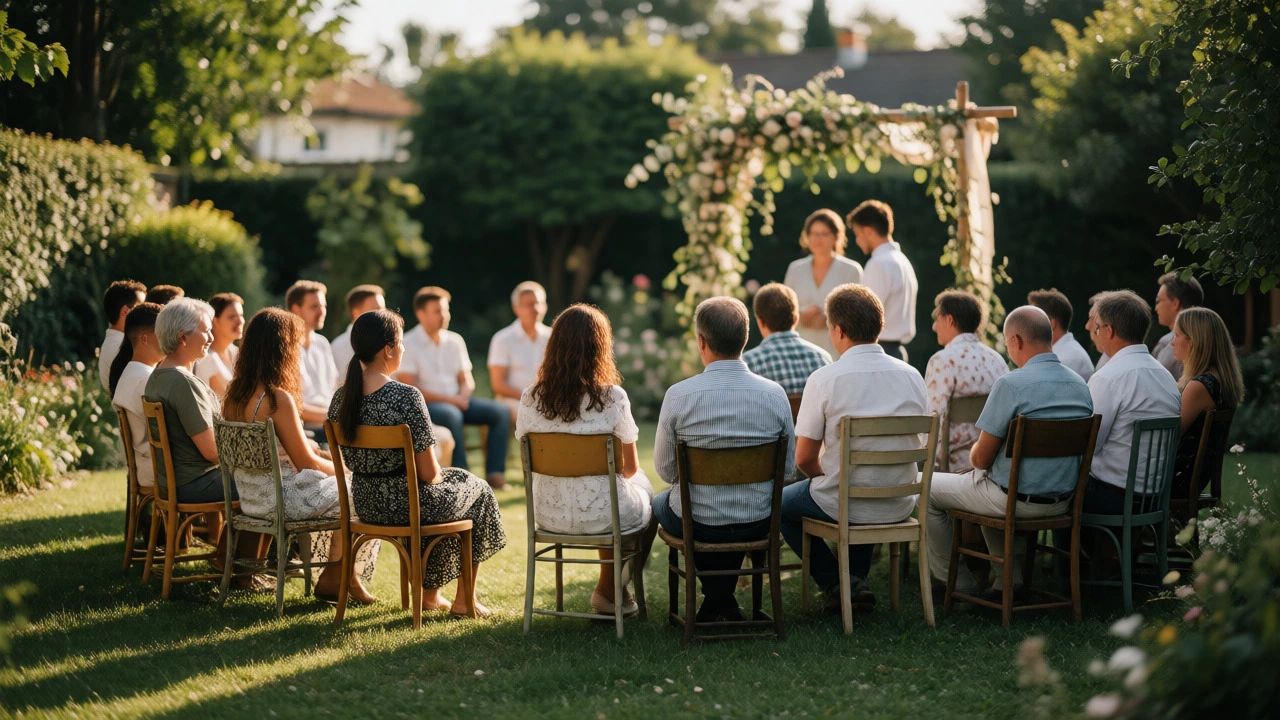
Most people think a low key wedding is just code for "cheap." But that’s not it at all. It’s about stripping away the performance aspect of marriage and focusing entirely on the connection between you two and your closest circle. Imagine skipping the seating charts, the awkward speeches from cousins you barely know, and the $15,000 floral arrangements that wilt by dessert time. Instead, picture a backyard gathering where the vibe is relaxed, the food is delicious, and nobody feels pressured to dance if they don’t want to.
Planning this kind of event requires a shift in mindset. You aren't hosting an audience; you're sharing a moment. If you’re feeling overwhelmed by Pinterest boards full of elaborate arches and five-course meals, take a breath. This guide breaks down exactly how to pull off a wedding that feels authentic, manageable, and genuinely fun without the massive price tag or logistical nightmare.
Redefine Your Guest List Ruthlessly
The biggest lever you can pull to lower the intensity of your wedding is the guest list. Most couples invite everyone they’ve ever met out of obligation. In a low-key scenario, you have permission to be ruthless. Ask yourself one simple question for every name: "Would I lend this person $100?" If the answer is no, they probably don’t need a seat at your table.
Aiming for 20 to 50 guests changes everything. Suddenly, you don’t need a banquet hall. You don’t need a DJ who plays songs for strangers. You can actually talk to everyone at the reception. This intimacy reduces stress because you’re managing relationships, not logistics. When you cut the number of attendees, you automatically reduce costs for catering, rentals, and invitations. Use this savings to upgrade things that matter more to you, like better wine or a photographer who captures candid moments rather than staged poses.
| Aspect | Traditional (150+ Guests) | Low Key (20-50 Guests) |
|---|---|---|
| Venue Type | Banquet Hall / Hotel Ballroom | Backyard / Airbnb / Restaurant Private Room |
| Catering Style | Plated Dinner / Buffet | Family Style / BBQ / Food Truck |
| Entertainment | DJ + Dance Floor | Live Acoustic / Playlist / Board Games |
| Planning Time | 12-18 Months | 3-6 Months |
Pick a Venue That Does the Work for You
You do not need to rent an empty warehouse and fill it with chairs. That is expensive and exhausting. For a low-key wedding, choose a venue that already has character and infrastructure. Think about places that require zero decoration. A local brewery, a scenic park pavilion, a family farm, or even a large living room with good natural light works perfectly.
In Auckland, for example, many suburban backyards or coastal spots offer stunning views without the markup of a dedicated wedding venue. If you go the restaurant route, book a private dining room. The tables are set, the kitchen is ready, and the staff knows what they’re doing. You show up, eat, drink, and leave. No vendors to coordinate for setup and teardown. This approach saves you hours of labor and hundreds of dollars in rental fees for linens, centerpieces, and lighting.
Another popular option is renting a large holiday home through platforms like Airbnb or Stayz. You host the ceremony and reception right there. Guests stay nearby, creating a weekend getaway vibe. This blurs the line between wedding and vacation, which naturally lowers expectations for formalities. People arrive in casual clothes, hang out on the porch, and enjoy the space. Just check local noise ordinances and neighbor agreements before booking.
Simplify Attire and Beauty
Your outfit should reflect who you are, not what Instagram says a bride looks like. If you hate heels, wear sneakers or boots. If you’d rather wear a jumpsuit or a dress you can buy again next year, do it. Many couples opt for outfits they already own or thrift finds. This removes the pressure of finding the "perfect" gown and the stress of alterations.
Consider hiring a stylist who specializes in shopping existing wardrobes or sourcing second-hand pieces. Alternatively, keep it simple: a white shirt and tailored trousers for him, a flowy midi dress for her. Comfort equals confidence. When you’re comfortable, you relax. When you relax, your photos look better. There’s nothing worse than stiff shoulders and a forced smile because your corset is too tight.
For beauty, skip the glam squad trial runs unless you truly love them. Hire a hair and makeup artist for the day only, or ask a skilled friend to help. Natural looks age well in photos and feel more authentic. Remember, this is a party, not a red carpet event.
Curate Entertainment That Fits the Vibe
Since this article focuses on wedding entertainment, let’s address the elephant in the room: the music. Traditional weddings often force guests onto a dance floor whether they want to be there or not. With a smaller group, you can curate the experience differently.
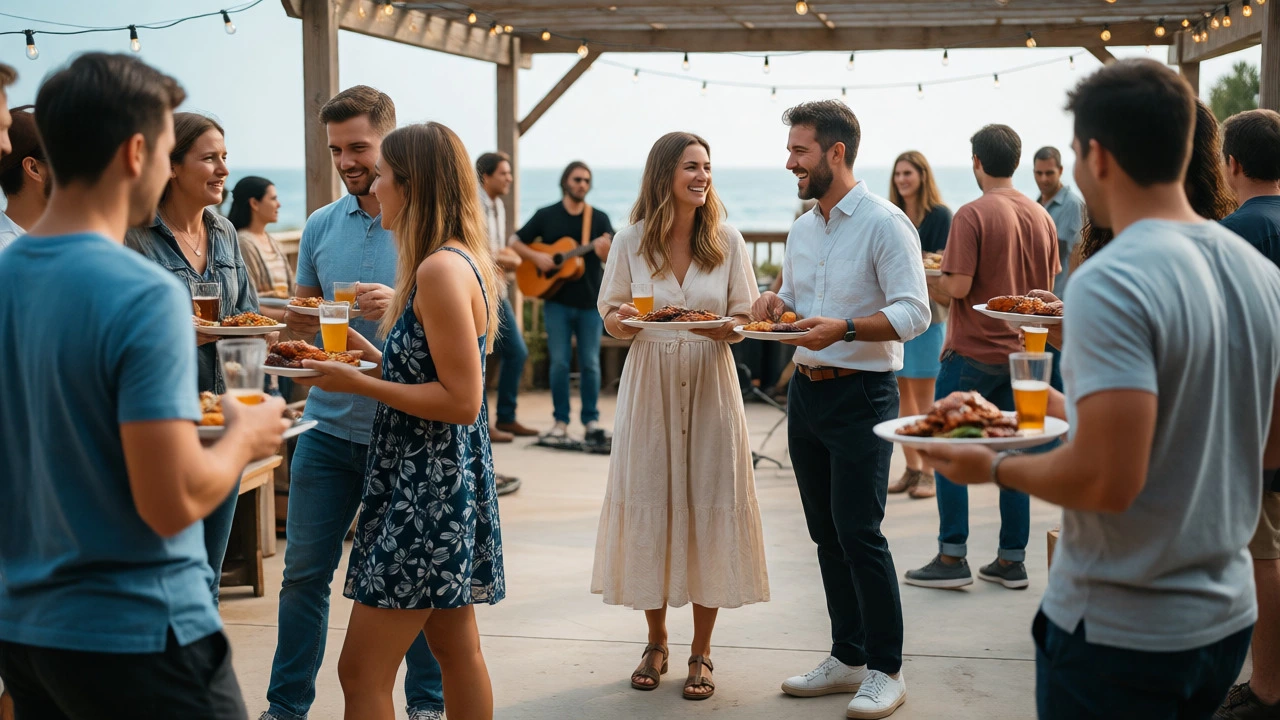
Instead of a loud DJ blasting top 40 hits, consider a live acoustic duo playing folk, jazz, or indie covers. They provide background ambiance during dinner and can ramp up energy later if people want to sing along. Or, create a collaborative playlist. Send a link to your guests beforehand asking for their favorite songs. Play those tracks through a decent speaker system. It personalizes the soundtrack and keeps the volume conversational.
If dancing isn’t your thing, lean into interactive elements. Set up lawn games like cornhole or giant Jenga. Provide board games for indoor spaces. Hire a caricature artist or a polaroid station where guests can take their own memories. These activities encourage mingling without the pressure of performing. You could also hire a roaming magician or a street performer who engages with small groups. The goal is connection, not spectacle.
Food and Drink: Go Casual but Quality
You can feed 30 people incredible food for less than it costs to serve mediocre chicken to 150. Ditch the three-course plated meal. It’s rigid, slow, and often cold by the time the last person eats. Choose styles that encourage sharing and movement.
- Family Style: Large platters of pasta, roasted vegetables, and breads placed on tables. Everyone serves themselves. It feels communal and warm.
- BBQ or Grill Out: Hire a pitmaster or grill master. Burgers, sausages, and grilled veggies are crowd-pleasers and easy to scale.
- Food Trucks: One taco truck, one pizza van. Guests order what they want. It’s fun, casual, and eliminates waiting lines.
- High Tea or Brunch: If you marry in the morning, serve pastries, quiches, and fruit. Pair with mimosas or coffee.
For drinks, limit the bar options. Offer beer, wine, and a signature cocktail. Full open bars lead to waste and higher bills. Consider a self-serve station with jugs of sangria or infused water. It keeps costs down and prevents long queues at the bar.
Streamline the Ceremony and Reception Flow
Low-key weddings thrive on simplicity. Avoid complex timelines. Do you really need a receiving line? Probably not. Skip the grand entrance. Just start the ceremony when everyone is seated. Keep vows short and sweet. If you write your own, aim for under two minutes each. If you use standard vows, that’s fine too.
Merge the ceremony and reception locations if possible. Walking from a church to a hall adds transit time and confusion. Holding both events in the same spot allows guests to mingle immediately after the kiss. Serve drinks while you take portraits. By the time you join the party, the ice is broken, and people are already chatting.
Speeches are optional. If you want them, limit them to two or three close friends or family members. Give them a guideline: keep it under three minutes, share a funny story, and toast the couple. No reading lengthy letters. This keeps the energy high and prevents boredom.
Keep Decor Minimal and Meaningful
You don’t need florists charging $50 per centerpiece. Buy flowers from a local market the morning of the wedding. Pick seasonal blooms that smell nice and look fresh. Place them in vases you already own or borrow from friends. Mix greenery with wildflowers for a rustic look.
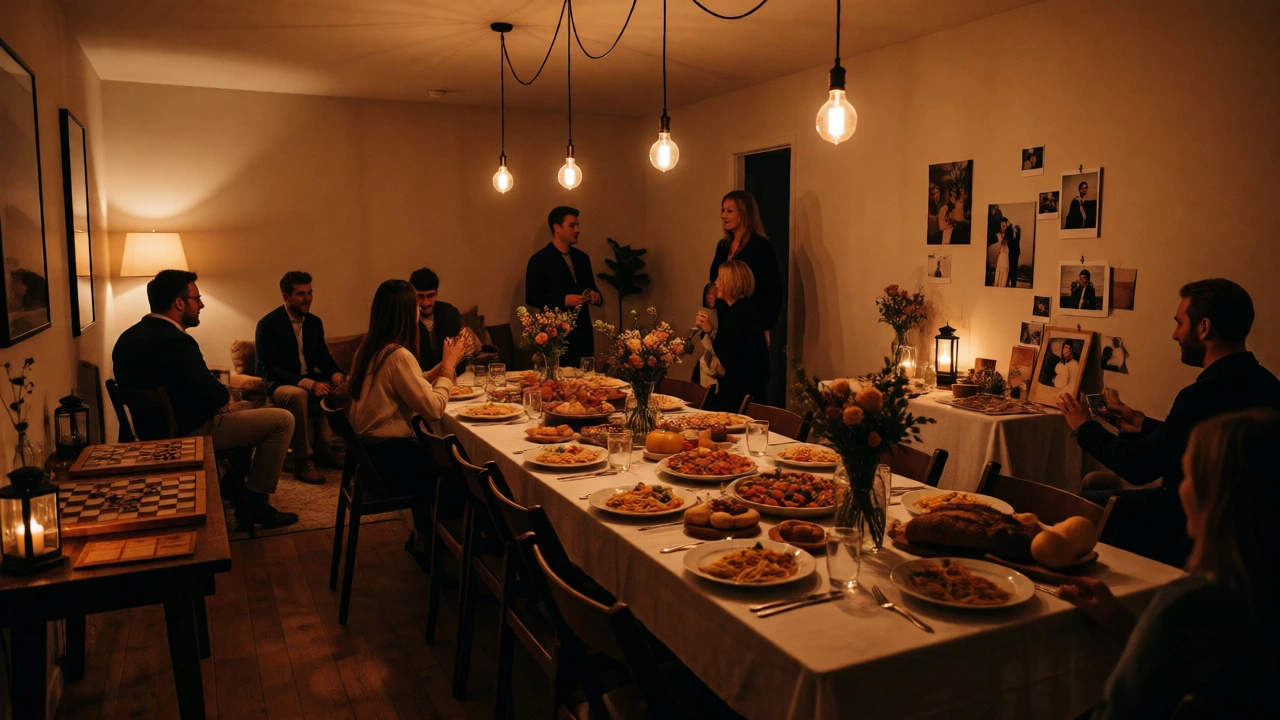
Use lighting to transform the space. String lights or lanterns create instant warmth and romance. They cost little but change the atmosphere completely. Personal touches matter more than expensive decor. Display photos of the couple growing up, play records from your shared history, or use handwritten signs instead of printed ones. These details show personality without breaking the bank.
Remember, less is more. Empty space allows eyes to rest. Clutter creates stress. Let the architecture of the venue and the faces of your loved ones be the main visual elements.
Manage Expectations and Communication
The hardest part of going low-key isn’t the planning; it’s explaining it to others. Grandparents might expect a big feast. Friends might wonder why there’s no open bar. Be clear and confident in your choices.
Communicate early via your invitation or website. State clearly: "Join us for an intimate celebration," or "Casual attire encouraged." Set the tone upfront so guests know what to expect. When people understand the vision, they respect it. If someone questions the lack of traditional elements, remind them that this day is about celebrating love in a way that feels true to you.
Finally, delegate tasks. Even with a small wedding, you’ll need help. Assign a trusted friend to handle vendor arrivals or gift collection. This frees you to enjoy the day. You are the guest of honor, not the project manager.
Is a low key wedding cheaper?
Generally, yes. Fewer guests mean significant savings on catering, venue rental, and invitations. However, you might spend more per head on higher-quality food or unique experiences. The total cost is usually lower, but the value per guest is often higher.
Do we still need a wedding planner?
Not necessarily. Many couples plan low-key weddings themselves using online tools and local vendors. If you’re stressed or busy, hiring a "day-of coordinator" for just the final week and the actual event day can be a smart investment to ensure smooth execution without the full-service fee.
What is appropriate attire for a low key wedding?
It depends on the venue. Backyard weddings suit sundresses, button-downs, and smart casual wear. Evening dinners might call for suits and cocktail dresses. Always specify "dress code" on the invitation to avoid confusion. Comfort is key.
Can we have a cake?
Absolutely. You can opt for a smaller tiered cake, cupcakes, donuts, or even a pie. Some couples skip the cutting ritual entirely and just serve dessert. It’s your choice-do what brings you joy.
How far in advance should we book vendors?
You can often book venues and photographers 3-6 months out, whereas traditional weddings require 12+. However, popular local spots or specific musicians may need earlier notice. Start researching as soon as you decide on a date.