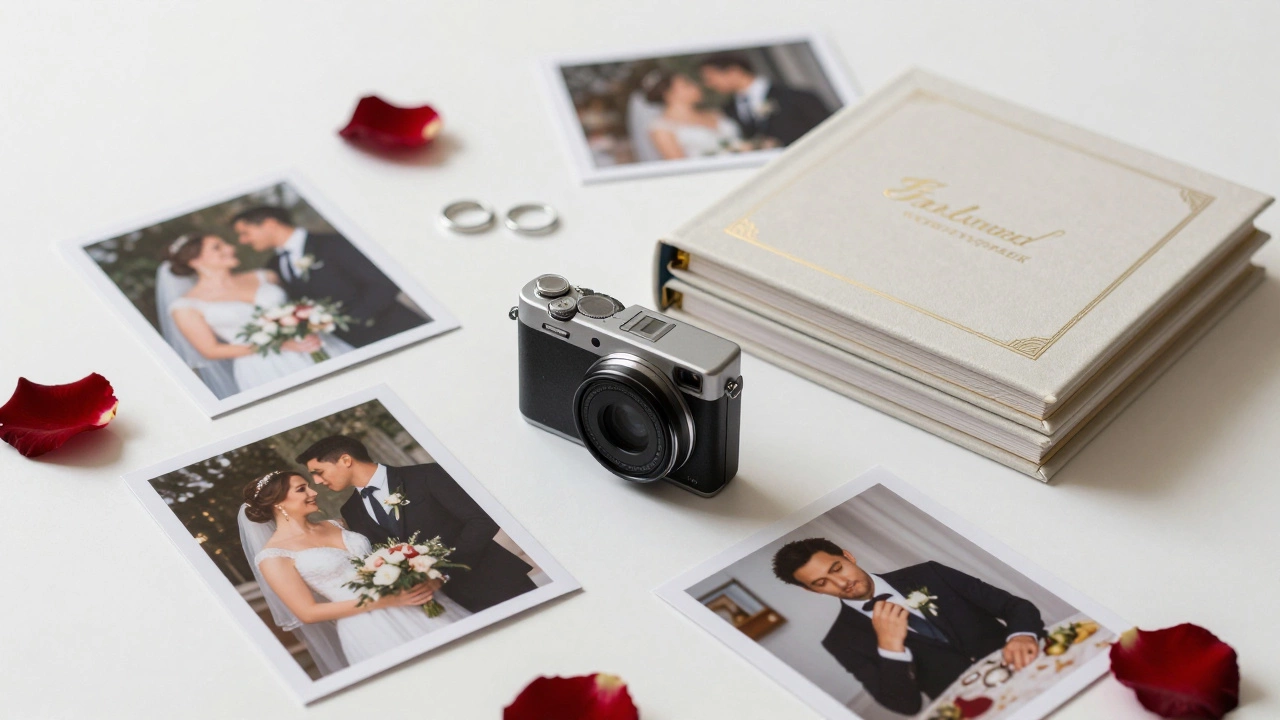
Wedding Photo Count Estimator
Use this tool to estimate the number of final, edited images you should receive from your professional wedding photographer.
This range ensures comprehensive coverage without overwhelming duplicates.
You spend thousands on your wedding photographer. You expect to get every single shot they took, right? Wrong. In fact, getting every raw file is usually the last thing you want. The real question isn't just about quantity; it's about quality and curation. So, how many photos should a wedding photographer give for a wedding? The short answer: between 800 and 1,500 high-quality, edited images for a standard eight-hour coverage.
If you are expecting 3,000+ files because that’s what your phone camera produces, you are in for a surprise. Professional wedding photography involves a rigorous editing process where duplicates, closed eyes, and awkward expressions are culled. Understanding this number helps you set realistic expectations with your vendor and ensures you receive a gallery that tells your story without overwhelming you.
The Industry Standard: What to Expect in 2026
In the current market, most professional photographers aim for a specific ratio of delivered images to hours worked. A common rule of thumb is roughly 100 to 150 final edited photos per hour of coverage. For a typical full-day wedding package covering 8 to 10 hours, this translates to approximately 800 to 1,200 images.
Why this range? It balances comprehensive coverage with curated storytelling. If a photographer delivers fewer than 600 images for a full day, you might be missing key moments or family combinations. Conversely, if they deliver over 2,000, you may find yourself sifting through too many near-duplicates or mediocre shots just to find the gems.
| Coverage Hours | Estimated Final Images | Best For |
|---|---|---|
| 4-6 Hours | 400 - 700 | Elopements, Civil Ceremonies |
| 8 Hours | 800 - 1,200 | Standard Weddings |
| 10+ Hours | 1,200 - 1,800+ | Large Celebrations, Multi-Venue |
This data reflects trends from major photography associations and vendor platforms in 2026. Clients who understand these benchmarks are better equipped to negotiate contracts and assess whether their photographer’s output aligns with industry norms.
Raw Files vs. Edited Images: Why Quantity Isn't Everything
A frequent point of confusion is the difference between "shots taken" and "photos delivered." Your photographer might capture 3,000 to 5,000 raw files during the event. However, delivering these unedited RAW files is generally discouraged and often prohibited by contract.
RAW files are unprocessed digital negatives that require significant post-production work to look presentable. They are flat, lack contrast, and often have white balance issues. More importantly, they include:
- Duplicate frames from burst mode shooting
- Test shots and lens cap mistakes
- Photos with blinking eyes or mid-laugh grimaces
- Blurred motion shots intended as artistic experiments that failed
Professional editors cull up to 50-70% of these images. This isn't laziness; it's quality control. You want a gallery where 95% of the images are keepers, not a dump drive where you have to do the work of sorting through trash. Most reputable photographers retain the copyright to the images and license them to you, meaning they control the final product to ensure their brand reputation remains intact.
Factors That Influence Your Final Count
Not all weddings are created equal. Several variables will push your final photo count higher or lower. Understanding these helps you customize your package.
Photography Style
Your photographer's aesthetic plays a huge role. A photojournalistic style focuses on candid, documentary-style storytelling with less posing. These photographers tend to deliver more images because they capture continuous action and environmental details. On the other hand, a traditional or posed-focused photographer might deliver fewer, but highly composed and lit images. If you love candid emotion, expect a larger gallery. If you prefer classic portraits, the count might be lower but the polish higher.
Second Shooter Presence
Hiring a second shooter almost always increases your total deliverable count. With two cameras capturing different angles simultaneously-say, one on the bride getting ready and another on the groom-you get double the perspective. This doesn't just mean more photos; it means better coverage of overlapping events, like the ceremony and pre-ceremony prep happening at the same time.
Event Complexity
A simple backyard wedding will naturally yield fewer group shots than a multi-generational celebration with five separate family units. Large guest lists also mean more candid reception shots. If you have cultural traditions involving multiple rituals, dances, or ceremonies, each adds to the timeline and thus the photo count.
The Selection Process: How Editors Choose Your Gallery
Ever wonder how a photographer decides which 1,000 photos make the cut out of 4,000 shots? It’s a systematic process, not a guess.
- Technical Check: First, they eliminate any technically flawed images. Is the focus sharp? Is the exposure correct? If the main subject is blurry, it’s out.
- Duplicate Culling: Photographers shoot in bursts. They’ll take 10 photos of the couple kissing in one second. They keep the best one-the moment with the best eye contact and lighting-and delete the other nine.
- Emotional Review: Next, they look for genuine emotion. Did someone blink? Was there an awkward smile? They select the frames that tell the truest story of the moment.
- Storytelling Balance: Finally, they review the entire day chronologically. Do we have enough wide shots of the venue? Enough detail shots of the rings? Enough candid laughter? They fill gaps and remove redundancies to create a cohesive narrative.
This process can take 10 to 20 hours of work for a single wedding. It’s labor-intensive, which is why turnaround times are typically 4 to 12 weeks. Rushing this step leads to a mediocre gallery.
Contract Clauses to Watch Out For
Before you sign, read the fine print regarding deliverables. Ambiguity here leads to disappointment later. Look for these specific terms:
- Minimum Guarantee: Does the contract specify a minimum number of edited images? Some photographers guarantee "at least 800 images," while others say "a complete representation of the day." The latter is riskier for you.
- Format and Resolution: Ensure you are receiving high-resolution JPEGs suitable for printing. Low-res web-only files won’t cut it for your album.
- Online Gallery Access: How long will your photos be hosted online? Many services charge annual fees after the first year. Clarify if you get a download link forever or if you need to save them locally.
- Print Rights: Confirm you have the right to print the images commercially (e.g., for a wedding website) or personally. You usually don’t own the copyright, but you should have unrestricted personal use rights.
If a photographer refuses to put a minimum number in writing, ask why. Are they confident in their volume? Or are they trying to avoid accountability? Trust your gut.
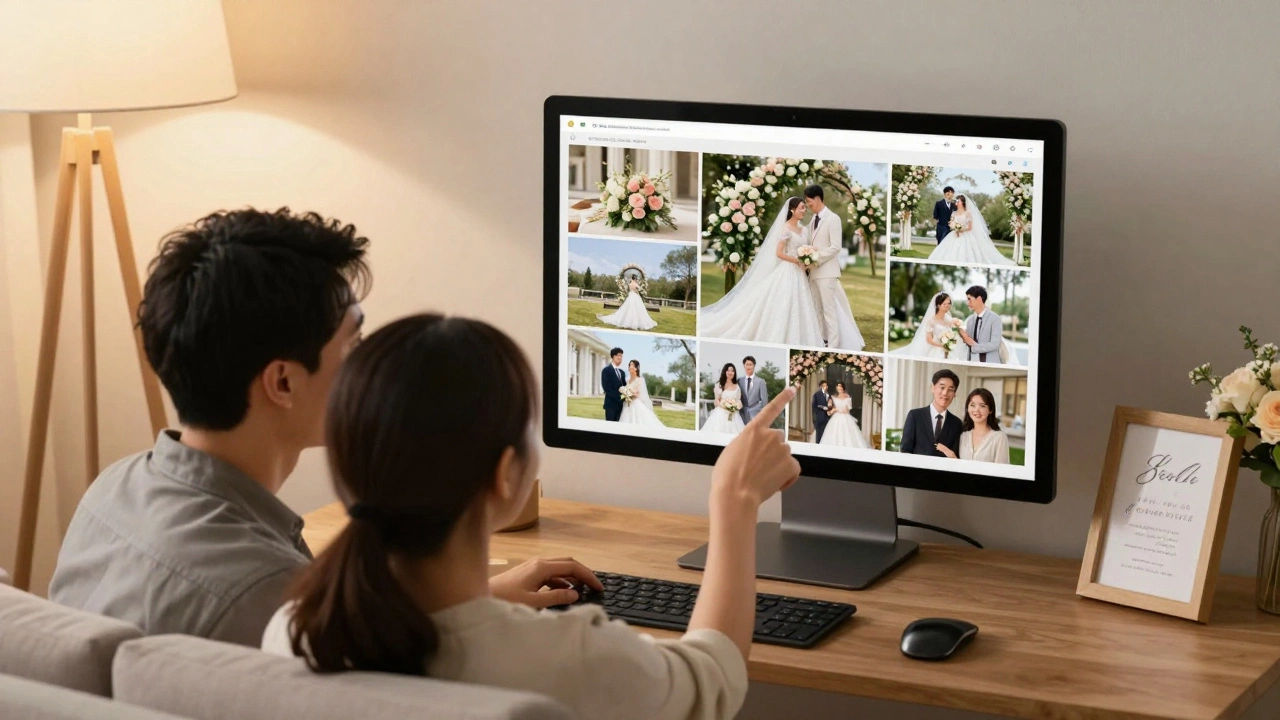
What If You Want More Photos?
Maybe you’re a hoarder (no judgment!) or you just want every angle. Can you buy more? Sometimes. Some photographers offer add-ons for additional hours of coverage, which naturally yields more shots. However, few will sell you "extra edits" of the same day because their pricing model is based on the labor of editing, not just the click of a shutter.
If you truly want every single frame, including the bloopers, discuss this upfront. Some photographers will provide a "full gallery" option for an extra fee, but warn them that this includes the unflattering stuff. Most couples find that once they see the curated gallery, they realize they don’t actually want the 500 duplicate smiles.
Troubleshooting Common Issues
Issue: The gallery feels too small.
Solution: Review the timeline. Did you skip formal portraits? Were there long gaps in coverage? If the photographer was only there for 4 hours, 500 photos is normal. Consider hiring a photographer for longer next time or adding a second shooter.
Issue: Too many similar photos.
Solution: This suggests poor culling. Contact your photographer politely. Ask if they can refine the selection. A good pro will appreciate the feedback and may swap out redundant images for better ones they missed.
Issue: Missing key moments.
Solution: Check your shot list. Did you communicate specific must-have family groups? If the photographer missed a requested shot due to negligence, discuss a partial refund or a complimentary mini-session. If it was a logistical issue (e.g., guests weren't available), it’s harder to claim fault.
Should I ask for my RAW files?
Generally, no. RAW files are unfinished products that require professional editing. They are often dark, flat, and unappealing. Most photographers retain ownership of RAWs to protect their artistic integrity and business model. If you really want them, negotiate this before booking, but expect to pay a premium and accept that they will look nothing like the final edited images.
Is 500 photos enough for a wedding?
For a full-day wedding (8+ hours), 500 photos is on the low side. It might be sufficient for an elopement or a very intimate ceremony with minimal formalities. For a standard wedding with reception, speeches, and dancing, you should expect closer to 800-1,000 images to feel fully covered.
How long does it take to get wedding photos?
In 2026, the average turnaround time is 6 to 12 weeks. During peak wedding season (spring and autumn), it can stretch to 16 weeks. Teasers (15-20 images) are often released within 1-2 weeks. Always check your contract for specific delivery dates.
Do I get all the photos taken?
No. You get the professionally edited selection. Photographers typically cull 50-70% of images to remove duplicates, blurs, and bad expressions. This ensures you receive a high-quality, cohesive gallery rather than a massive folder of mixed-quality files.
Can I hire a second shooter to get more photos?
Yes. A second shooter captures different angles and simultaneous events, significantly increasing your total photo count and ensuring no moment is missed. It’s one of the best ways to boost both quantity and coverage quality.