Groom's Mother Gift Etiquette Advisor
Your Recommendation
Fill out the form to see a personalized gift suggestion based on etiquette guidelines.
Walking down the aisle is emotional enough without worrying about whether your in-laws are holding back on presents. If you are standing at the altar wondering if wedding etiquette a set of social rules and traditions that guide behavior during celebrations demands a specific token from the groom’s side, you are not alone. The short answer is: it depends on culture, family dynamics, and who is paying for what.
There is no universal law stating that the groom's mother must hand over a diamond necklace or a cash envelope. However, in many Western traditions, she often contributes in ways that go beyond a simple box wrapped in ribbon. Understanding these unwritten rules helps avoid awkward moments and ensures both families feel included in the celebration.
The Traditional Expectations
Historically, the bride's family bore the bulk of the financial load for the wedding ceremony. In return, the groom’s family was expected to cover specific expenses like the rehearsal dinner, the honeymoon, or the officiant’s fee. This division of labor meant that while the bride’s parents might pay for the venue and catering, the groom’s mother would handle other logistical costs rather than giving a traditional "gift" in the consumer sense.
In modern times, this split has blurred. Many couples pay for their own weddings, which shifts the dynamic. When the couple covers the main event, the pressure on parents to contribute financially decreases, but the expectation for personal gestures remains. A gift from the groom’s mother is seen as a welcome into the new family unit, symbolizing acceptance and love for the bride.
Common Gifts From the Groom's Mother
If you are the groom’s mother trying to figure out what to buy, or the bride wondering what to expect, here are the most common categories of gifts exchanged in this relationship:
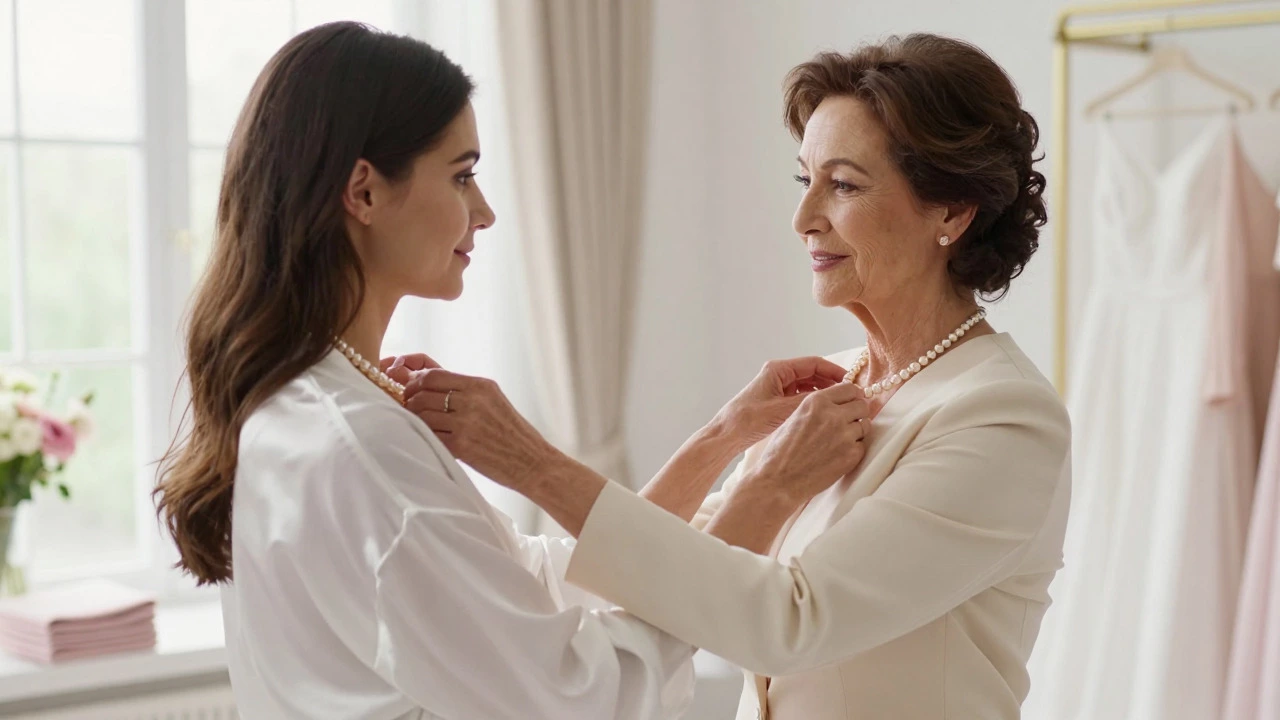
- Jewelry with Sentimental Value: Pearls, silver bracelets, or pieces passed down through generations. These items carry weight because they connect the bride to the family history.
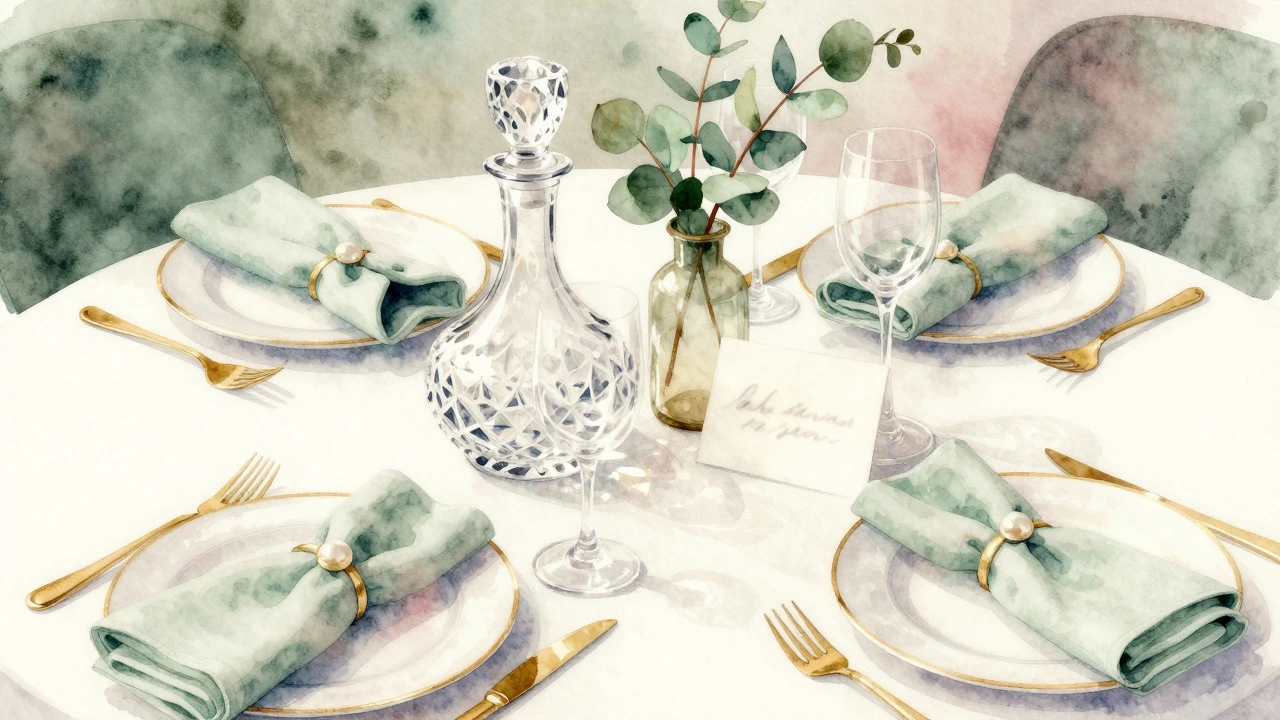
- Home Goods: High-quality linens, a crystal decanter set, or a piece of art. These are practical additions to the couple’s new home.
- Experience Vouchers: Spa days, wine tastings, or cooking classes. These allow the couple to create memories together without adding clutter.
- Cash Contributions: Often given in an envelope, this can be framed as a contribution to the honeymoon fund or a savings account for the future.
The key here is intentionality. A generic gift card from a department store rarely hits the same emotional note as a handwritten letter accompanied by a meaningful object. The gesture matters more than the price tag.
Cultural Variations and Regional Norms
Etiquette is not one-size-fits-all. In some cultures, the exchange of gifts between in-laws is a formal ritual. For example, in parts of South Asia, the dowry or reciprocal gifting systems involve elaborate exchanges where the groom’s family presents significant gifts to the bride. In contrast, in secular Western societies, the focus is often on casual, heartfelt gestures.
Even within New Zealand and Australia, norms vary. Urban couples might prefer minimalist gifts, while rural communities may place higher value on practical household items. It is always wise to observe how previous generations handled these interactions. Did your grandmother receive a watch from her father-in-law? That sets a precedent for what is considered normal in your family circle.
Navigating Financial Realities
Money talks, but it shouldn’t shout. One of the biggest sources of tension in weddings is perceived inequality in contributions. If the bride’s parents are covering 80% of the costs, the groom’s family might feel pressured to match that generosity with an expensive gift. Conversely, if the groom’s parents are paying for everything, the bride might expect a substantial token of appreciation.
To navigate this, open lines of communication early. The couple should discuss their expectations with both sets of parents separately. Ask questions like, "What does your family usually do for weddings?" or "Are there any traditions we should know about?" This approach prevents assumptions and allows everyone to align on a comfortable level of giving.
When No Gift Is Expected
It is perfectly acceptable for the groom’s mother to give no physical gift at all. Sometimes, the greatest gift is simply showing up, offering emotional support, and helping with planning. If the budget is tight, a heartfelt speech during the reception or a dedicated time spent with the bride before the ceremony can be just as impactful as a material object.
Also, consider the timing. Gifts are not always handed over on the day of the wedding. Some families prefer to present gifts during the engagement party, the bridal shower, or even after the honeymoon. This spreads out the financial burden and keeps the focus on the couple rather than the unboxing process.

Practical Tips for Both Sides
For the groom’s mother, aim for quality over quantity. A single, well-chosen item beats five cheap trinkets. Consider the bride’s hobbies and interests. Does she love gardening? A high-end tool set or a rare plant might resonate more than generic jewelry.
For the bride, remember that you are joining a new family. Gratitude goes a long way. A thank-you note sent within two weeks of receiving the gift is standard etiquette. It shows that you value the sentiment behind the object, regardless of its monetary worth.
| Gift Type | Emotional Impact | Budget Range | Best For |
|---|---|---|---|
| Heirloom Jewelry | High | $500 - $2,000+ | Close-knit families with tradition |
| Home Essentials | Medium | $100 - $500 | Practical couples starting a home |
| Experiences | Medium-High | $200 - $800 | Modern couples who value memories |
| Cash Envelope | Low (if anonymous) | Variable | Flexible budgets and direct contributions |
Avoiding Common Pitfalls
One major mistake is buying gifts based on what *you* want, rather than what the recipient needs or likes. Another is waiting until the last minute. Rushed purchases often lack thoughtfulness. Start brainstorming ideas three months before the wedding. This gives you time to order custom items or find unique pieces that reflect the bride’s personality.
Also, avoid competing with the bride’s mother. If the bride’s mom is buying a large piece of furniture, perhaps the groom’s mother should focus on accessories or smaller items. Coordination between mothers-in-law can prevent redundancy and ensure the couple doesn’t end up with three identical toaster ovens.
Frequently Asked Questions
Is it rude if the groom's mother doesn't give a gift?
Not necessarily. If the family has communicated that they are contributing to the wedding costs instead, a separate gift is not required. As long as the bride feels welcomed and respected, the absence of a physical gift is rarely seen as rude.
What is the most appropriate amount for a cash gift from the groom's mother?
There is no fixed rule, but a common guideline is to match the cost of a plate of food plus drinks, or slightly more to show extra generosity. For a parent, $100 to $200 is a reasonable range in many regions, but local customs and budget constraints should dictate the final amount.
Should the gift be given on the wedding day or earlier?
Earlier is often better. Giving the gift at the bridal shower or engagement party reduces stress on the wedding day. If given on the day, it should be presented privately, not during the public ceremony, to keep the focus on the couple.
How should the bride thank the groom's mother for the gift?
A handwritten thank-you card is the gold standard. Mention specifically why you liked the gift and how you plan to use it. Sending it within two weeks shows good manners and reinforces the bond between the bride and her new family.
Do cultural differences significantly change gift-giving norms?
Yes. In some cultures, specific items like red envelopes, gold bars, or silk garments have symbolic meanings. Always consult with elders or family members to understand if there are mandatory gifts or rituals associated with entering the groom's family.