
Wedding Gift Etiquette Calculator
Select the scenario that best matches your situation.
Select a payment scenario
Choose an option from the left to see what is expected according to modern etiquette.
It is one of those awkward moments that every couple dreads. The wedding is over, the cake has been eaten, and you are sorting through the pile of presents. You notice your parents’ card is there, but it’s empty. Or maybe they handed you an envelope with cash, but you know they just spent $30,000 on the venue and flowers. Did they forget? Are they being cheap? Or is this just how things work now?
The short answer is no, parents who pay for the wedding do not strictly have to give a separate physical gift. However, money doesn’t buy out love, and etiquette isn’t just about dollars and cents. It is about gratitude, symbolism, and family dynamics. Let’s break down what is actually expected, what is optional, and how to handle the situation without making anyone feel awkward.
The Old Rules vs. Modern Reality
If you ask someone over 60, they might tell you that paying for the wedding was the ultimate gift. In traditional etiquette, the bride’s parents covered the ceremony and reception costs as their contribution to starting the new household. That financial burden was considered sufficient. A separate toaster set or crystal vase wasn’t required because the bank transfer was the present.
But we are in 2026. Weddings look different now. Couples often split costs between both sets of parents, contribute their own savings, or even take out loans. When the financial lines blur, the rules get fuzzy. Today, many couples view the payment of expenses as a duty or a shared investment rather than a "gift" in the emotional sense. This shift creates a gap where a tangible token of affection feels necessary to close the loop.
Think of it this way: paying for the wedding covers the logistics. Giving a gift covers the emotion. One ensures the party happens; the other ensures the relationship feels celebrated. Most modern families prefer to see both, even if the "gift" is small.
Why Parents Still Give Gifts (Even After Paying)
You might wonder why parents would spend more money after already footing the bill. It usually comes down to three reasons:
- Sentimental Value: A check clears, but a handwritten note or a piece of jewelry stays. Parents want something physical to represent their blessing.
- Honeymoon Fund: Many parents pay for the event but give cash specifically earmarked for the honeymoon. This separates the "party cost" from the "vacation fund," giving the couple disposable income for memories.
- Family Tradition: Some families have a long-standing tradition of gifting heirlooms. A grandmother’s brooch or a father’s watch passed down isn’t about value; it’s about lineage. These items are given regardless of who pays for the venue.
In Auckland, where I live, it is common to see parents contributing to the wedding budget while also giving a modest cash gift for the honeymoon. It’s not about showing off wealth; it’s about ensuring the couple starts married life with a little breathing room.
What Should the Couple Do Instead?
If your parents paid for everything, the pressure is off you to give them a big gift. In fact, trying to buy them an expensive present right after they emptied their savings can create unnecessary stress. Instead, focus on these alternatives:
- A Heartfelt Thank-You Letter: This is non-negotiable. Write a specific, detailed letter thanking them for their generosity. Mention exactly what they helped with-the flowers, the venue, the dress. Specificity shows you noticed and appreciated the effort.
- A Framed Photo: Have a professional photo taken of you and your partner with each set of parents during the wedding. Frame it nicely and mail it to them within two weeks. It’s personal, meaningful, and costs very little.
- An Experience: Invite them to a nice dinner at a restaurant they love, paid for by you. It shifts the dynamic from "parents hosting" to "adult children hosting," which is a beautiful milestone.
These gestures carry more weight than a generic gift from a registry. They show maturity and gratitude, which is what parents really want to see.
When a Gift Is Expected
There are scenarios where skipping a gift entirely might cause friction. Here is how to read the room:
| Scenario | Expectation | Recommended Action |
|---|---|---|
| Parents paid 100% of costs | Low | Thank-you letter + framed photo. Cash gift optional but appreciated. |
| Parents contributed partially (e.g., venue only) | Medium | Small thoughtful gift (wine, cookbook) + thank-you note. |
| Couple paid for everything | High | Traditional wedding gift from registry or equivalent cash amount. |
| Mixed funding (savings + parents) | Medium-Low | Focus on sentimental gifts rather than monetary ones. |
If your parents are traditionalists, they may expect a symbolic gift. If they are pragmatic, they likely don’t care. Know your audience. If you’re unsure, a bottle of good wine or a box of chocolates is never a wrong move. It’s a gesture, not a transaction.
Navigating Awkward Conversations
What if your parents hint that they expect a gift? Or worse, what if they complain about the lack of one? This is rare, but it happens. Keep your response calm and grateful.
You can say: "We know you’ve already done so much for us by helping with the wedding costs. We wanted to make sure we thanked you properly, so we’re planning a special dinner for just the four of us next month."
This redirects the conversation from material goods to quality time. It also reaffirms their role as supporters rather than vendors. Never argue about the "rules" of etiquette in the moment. Address feelings, not finances.

The Role of Heirlooms and Sentimental Items
One area where money doesn’t apply is heirlooms. Even if parents pay for the entire wedding, they often pass down items like jewelry, linens, or furniture. These are not "gifts" in the commercial sense; they are transfers of heritage. Accept these with grace and promise to care for them. Displaying the item in your new home and sending a photo back to the parents is a powerful way to honor their contribution.
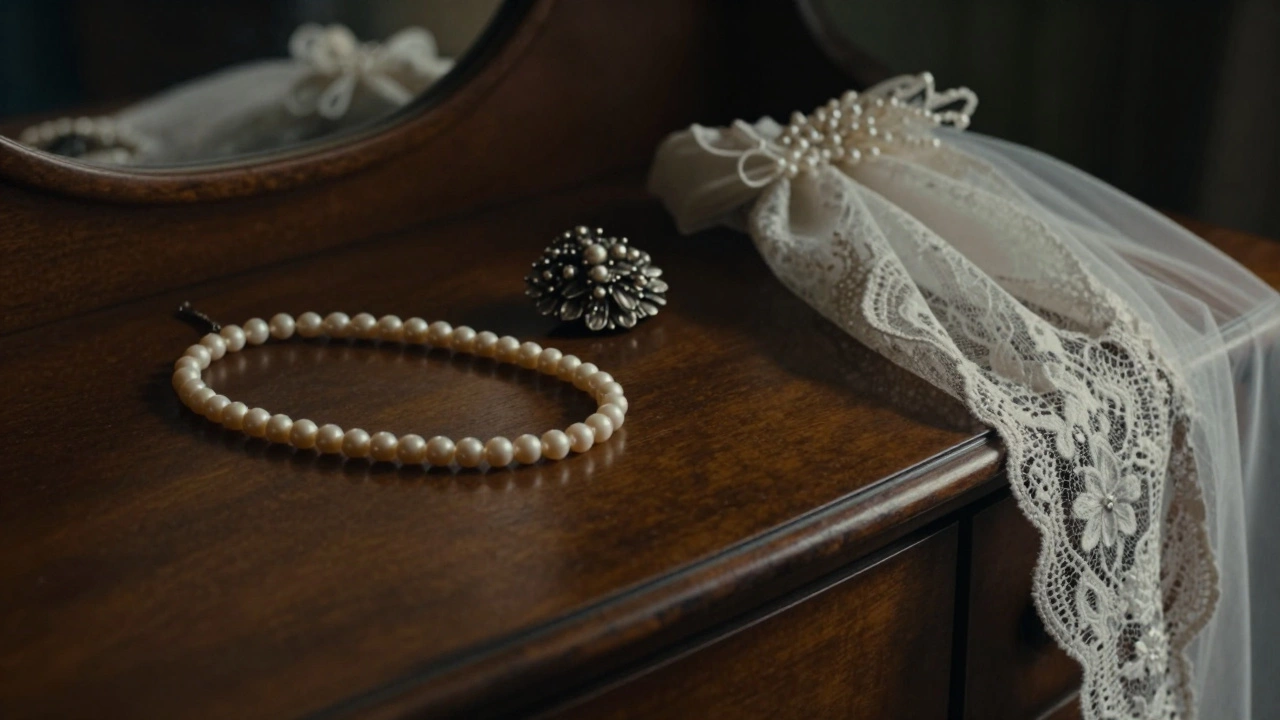
For example, if your mother gives you her wedding veil to incorporate into yours, that act alone is a massive gift. No additional present is needed. The symbolism outweighs any retail price tag.
Final Thoughts on Gratitude
At the end of the day, weddings are expensive. Whether parents pay for half, all, or none of it, their involvement is a form of support. The best "gift" you can give them is a happy marriage and a genuine expression of thanks. Don’t stress over whether you need to buy them a blender. Stress over making sure they feel loved and included in your new chapter.
If you still want to give something, keep it simple. A handwritten note, a framed picture, or a shared meal will mean far more than anything you could buy. And if your parents insist on giving a gift despite paying for the wedding, accept it with joy. It’s their choice, and it comes from a place of love.
Is it rude for parents to not give a wedding gift if they paid for the wedding?
No, it is not rude. In traditional etiquette, covering the cost of the wedding is considered a substantial gift. While many parents choose to give an additional token of affection, such as cash for the honeymoon or a sentimental item, it is not a requirement. The financial contribution itself is widely recognized as a significant gesture of support.
Should I put my parents' names on the registry if they are paying for the wedding?
It depends on your relationship with your parents. If you are comfortable with them choosing items for your home, yes, include them. However, many couples prefer to keep the registry private from parents who are paying, opting instead to suggest a honeymoon fund or a charitable donation. Communicate openly with your parents about their preferences before sharing the registry link.
What is a good alternative to a physical gift for parents who paid for the wedding?
A heartfelt, handwritten thank-you letter is the most important alternative. Additionally, framing a professional photo of you and your partner with your parents and mailing it to them shortly after the wedding is a cherished keepsake. Hosting a post-wedding brunch or dinner at your expense is another excellent way to show gratitude without buying a physical object.
Do parents usually give cash if they pay for the wedding?
Many parents do give cash, but it is typically designated for the honeymoon or the couple's future home. This distinguishes the "wedding cost" from the "couple's fund." It allows the parents to feel they are contributing to the celebration while also providing the couple with liquid assets for their new life together. It is a common practice in modern weddings, especially in urban areas.
How soon should I send a thank-you note to parents who paid for the wedding?
Ideally, you should send a thank-you note within two to three weeks after the wedding. If possible, mention specific details about their contribution, such as the beauty of the flowers or the comfort of the venue. Promptness shows respect and appreciation for their significant financial and emotional investment in your special day.